
When you hear generic drugs, lower-cost versions of brand-name medications that contain the same active ingredients and work the same way in the body. Also known as generic medications, they are approved by health agencies like the FDA and EMA after proving they match the original in strength, safety, and how the body absorbs them. Most people don’t realize that 90% of prescriptions filled in the U.S. are for generics—and for good reason. They cut costs without cutting effectiveness. A 30-day supply of brand-name Lipitor might cost $300. The generic version, atorvastatin,? $10. That’s not a marketing trick. It’s science.
But not all generic drugs are created equal in the marketplace. Big pharma often uses legal tricks—like pulling older versions off the market or abusing patent rules—to delay cheaper alternatives. This practice, called product hopping, a strategy where companies make minor changes to a drug just to extend their monopoly, directly impacts how fast generics reach you. Meanwhile, bioequivalence, the scientific process that proves a generic drug performs the same as the brand, is the backbone of everything. If a generic doesn’t pass bioequivalence testing, it can’t be sold. That’s why studies on drug substitution, the act of replacing a brand-name drug with a generic version approved as equivalent are so important. They don’t just check pills—they check outcomes. Real people. Real blood pressure. Real cholesterol levels. Real savings.
Some generics face extra scrutiny because of how they’re used. For example, DOACs in obese patients or SSRIs with blood thinners need special attention—not because generics are less safe, but because dosing and interactions get more complex. Even small differences in how a drug is absorbed can matter in certain populations. That’s why reporting rare side effects from generics isn’t just a formality—it’s how the system stays safe. Your report helps regulators spot patterns before they become problems.
And then there’s the money. Switching to generic combinations can save you hundreds or even thousands a year. Insurance companies often push generics not because they’re cheaper to make, but because they’re cheaper to cover. But sometimes, they deny coverage anyway—forcing you to fight through step therapy or prior authorization. That’s why knowing how to appeal a denial isn’t just helpful—it’s essential. You’re not asking for a favor. You’re claiming what’s already legally allowed.
Below, you’ll find real-world breakdowns of how generics work behind the scenes: from the labs that test them, to the courts that block them, to the pharmacies that dispense them. You’ll see how biosimilars differ from generics, why some people react differently to generics than brands, and how to spot when a generic isn’t right for you. No fluff. No hype. Just what you need to know to get the right medicine at the right price.
 31 March 2026
Learn how federal preemption has shifted liability for generic drug injuries onto physicians. Discover 2026 strategies to document prescriptions and manage malpractice risks effectively.
 31 March 2026
Explore how recent court rulings have shifted liability for adverse drug events onto physicians. Learn practical strategies for documenting generic prescriptions to reduce legal risk.
 5 March 2026
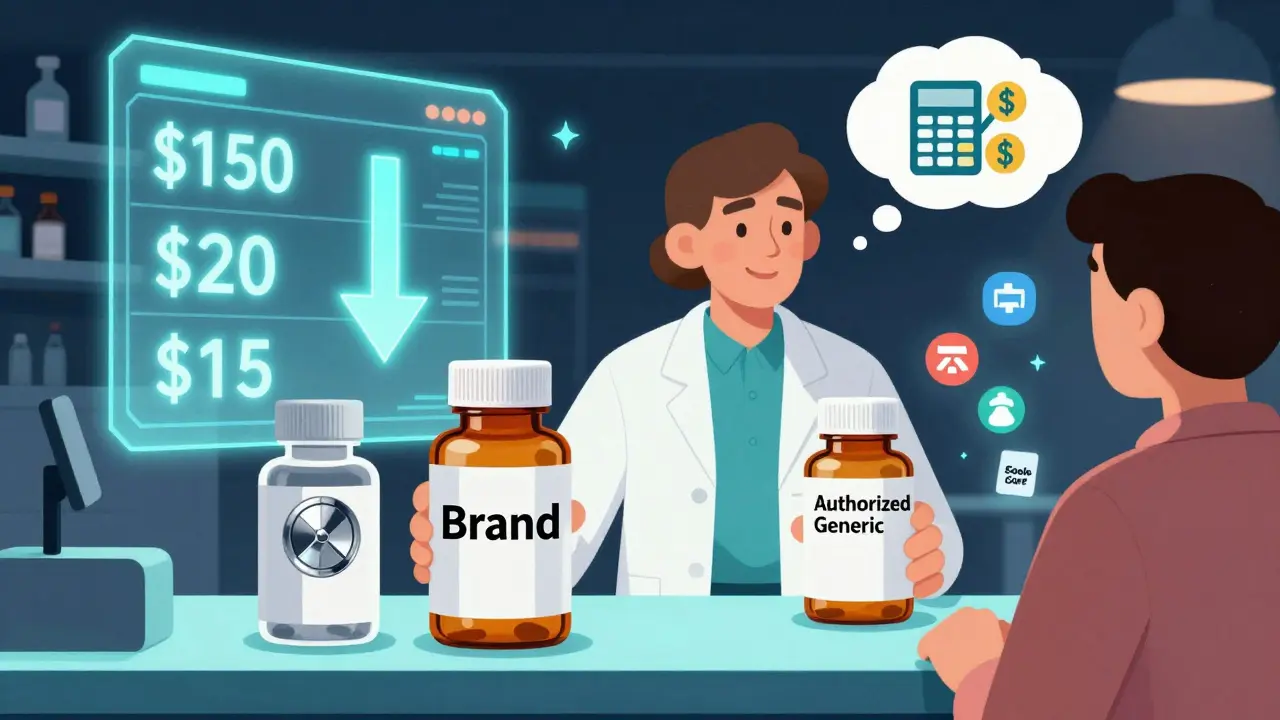
Learn how to ask about generic and authorized generic drugs to cut your prescription costs. Discover why some generics cost more than others-and how to get the lowest price.
 2 March 2026
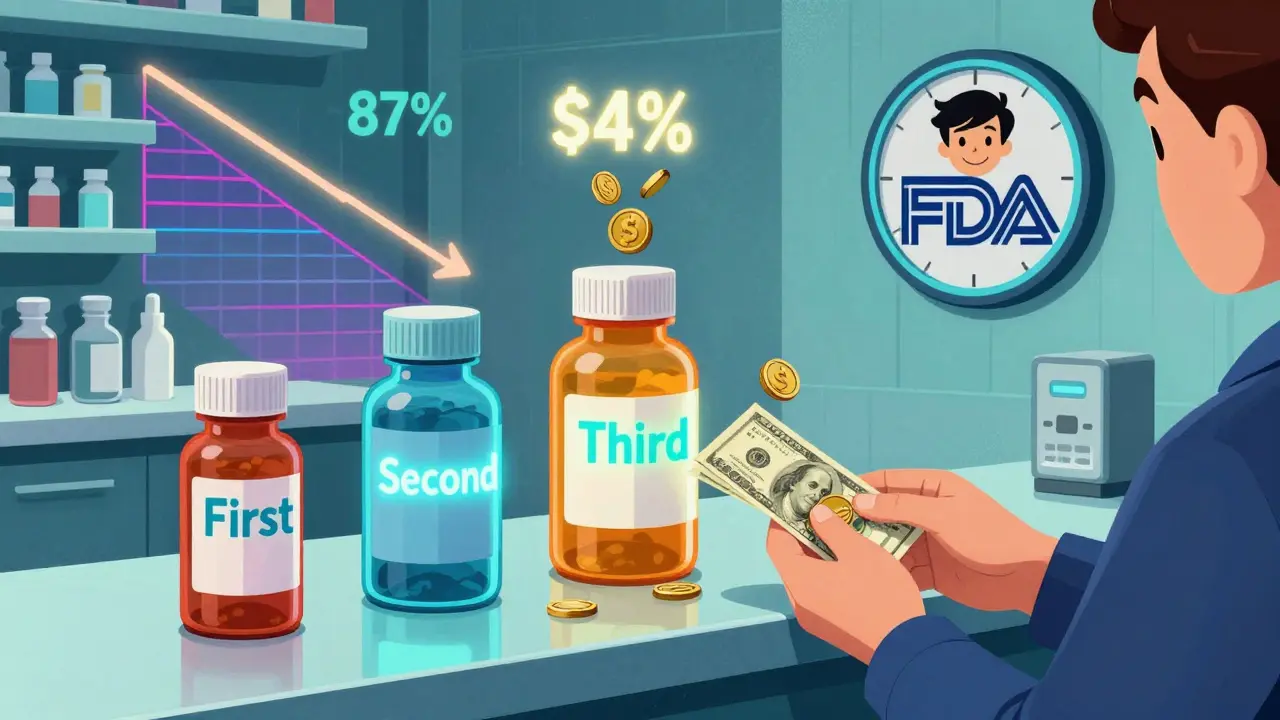
Second and third generic drug manufacturers drive the biggest price drops-cutting costs by up to 58% compared to the brand. Learn how competition between generics saves patients billions and why some drugs still cost too much.
 23 January 2026
Inactive ingredients in generic medications can interact when taken together, causing unexpected side effects. Learn how fillers like lactose and dyes in multiple generics can impact your health-and what to do about it.
 12 January 2026
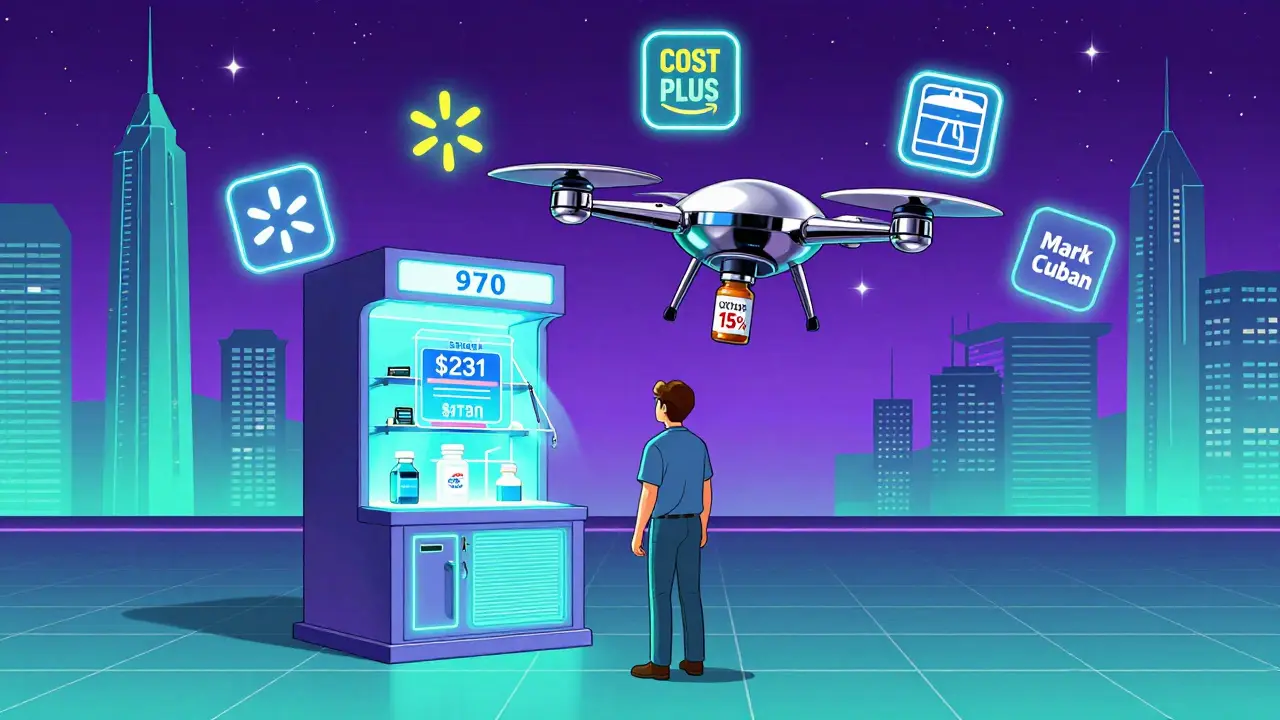
Direct-to-consumer pharmacies can save you hundreds on expensive generics, but for common meds, insurance often beats cash prices. Learn when to use each-and how to avoid costly mistakes.
 6 January 2026
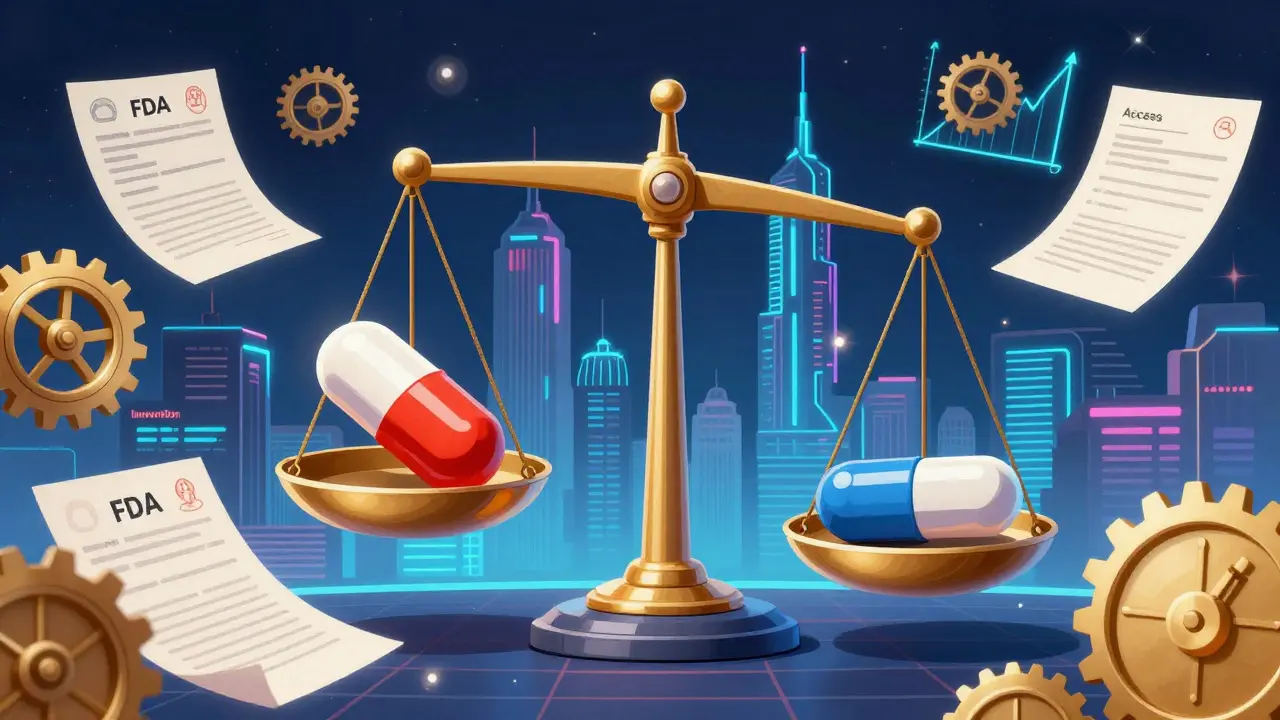
The Hatch-Waxman Act created the modern system for generic drug approval in the U.S., balancing innovation with affordability. It cut drug costs by billions but faces new challenges from patent abuse.
 6 December 2025
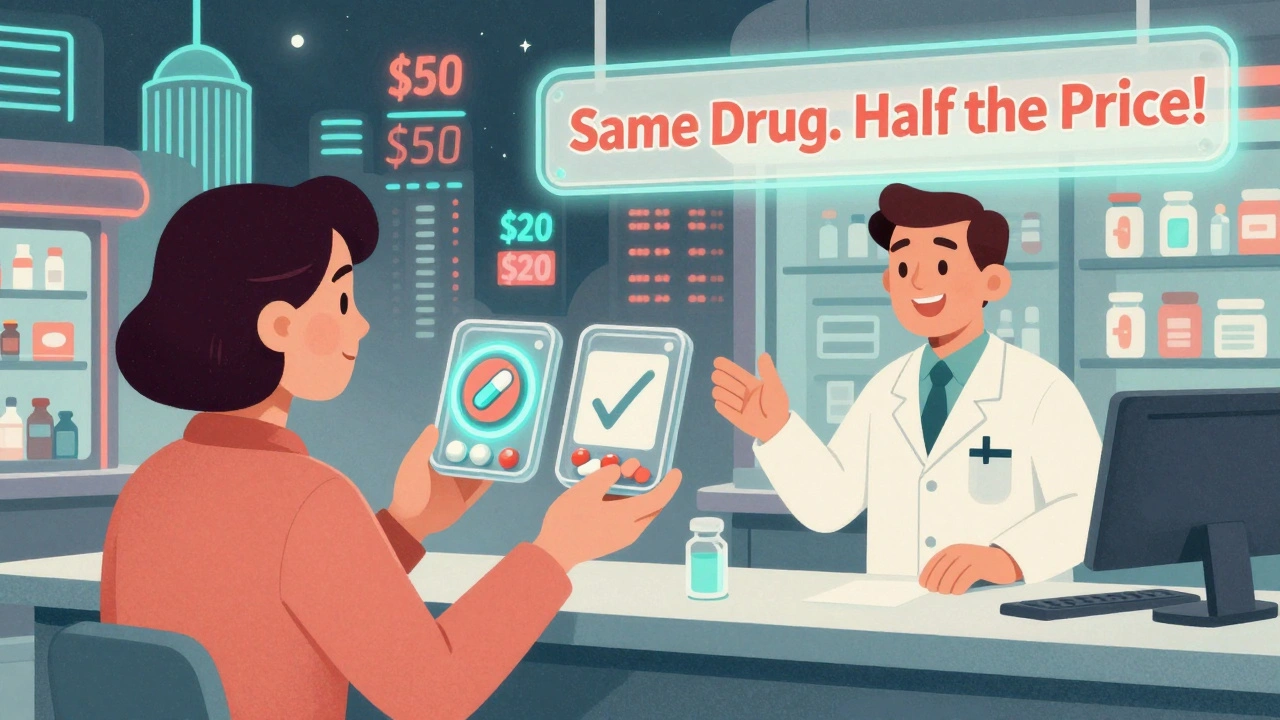
Authorized generics are identical to brand-name drugs but cost significantly less because they skip marketing and branding expenses. Learn how they work, why they're cheaper, and how to get them.
 4 December 2025
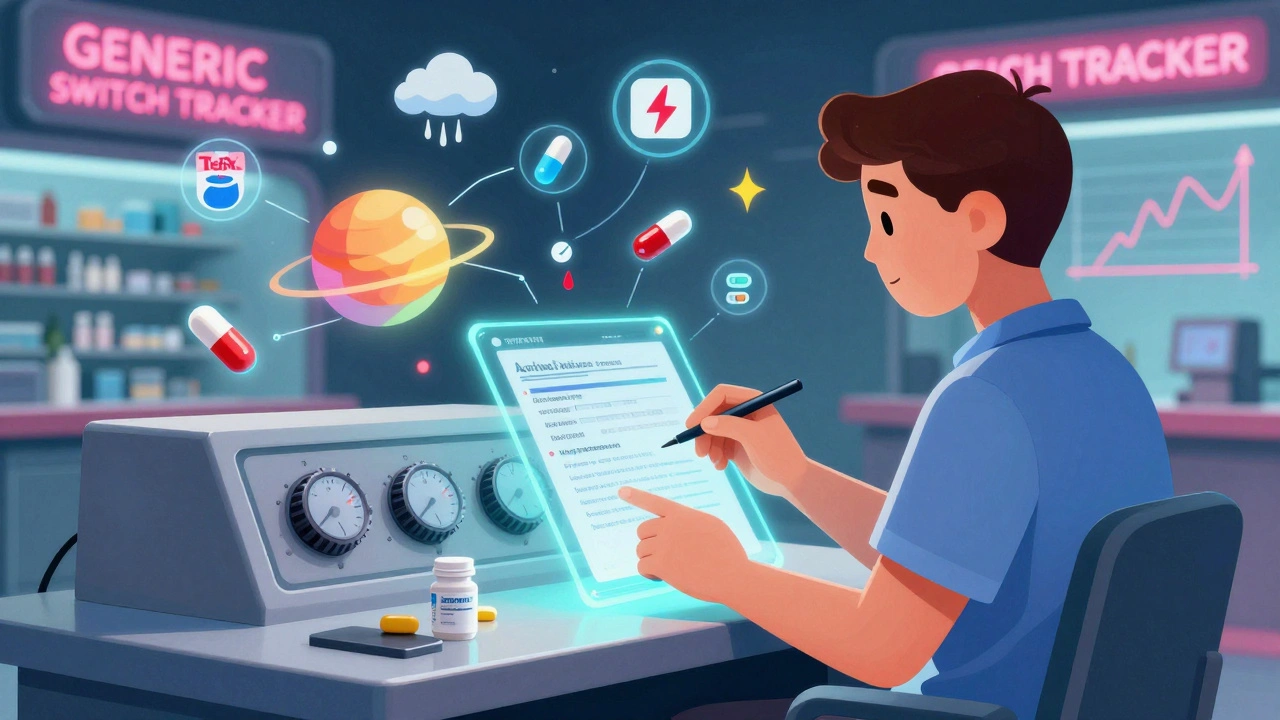
Keep a simple medication journal when switching to generic drugs to track side effects, effectiveness, and manufacturer changes - especially for thyroid, blood thinners, or seizure meds. Small differences can impact how you feel.


©2026 rxmedicin.su. All rights reserved
8