
When you pick up a prescription, the price isn’t just a number—it’s the result of complex systems, corporate decisions, and regulatory gaps. drug pricing, the cost set by manufacturers, insurers, and pharmacies for prescription medications. Also known as pharmaceutical pricing, it’s one of the most frustrating and least transparent parts of modern healthcare. You might pay $500 for a month’s supply of a brand-name drug, while the same active ingredient in a generic drug, a chemically identical version sold under its active ingredient name after the patent expires costs $15. That gap isn’t about quality—it’s about control. Big pharma often delays generics by tweaking the formula just enough to reset patent clocks, a tactic called product hopping, when companies replace an older drug with a slightly modified version to block generic competition. It’s legal, and it’s happening right now.
Then there’s the role of insurance coverage, the system that determines what drugs are covered, at what cost, and under what conditions. Even if a drug is generic, your plan might still force you through step therapy, require prior authorization, or deny coverage altogether. That’s why appeals for generic medications are so common—people aren’t asking for luxury, they’re asking to afford basic treatment. Meanwhile, pharmaceutical costs, the total price paid across the system, including manufacturing, marketing, and distribution keep rising, even as production becomes cheaper. In the U.S., some drugs cost ten times more than in Canada or the EU, not because they’re better, but because there’s no real price negotiation. The FTC and Congress are starting to push back, but change moves slowly.
What you’ll find in these articles isn’t theory—it’s real-world help. You’ll learn how to fight insurance denials, spot when a brand-name drug is just a repackaged generic, understand why some drugs stay expensive even after patents expire, and see how European markets handle pricing differently. There are guides on switching to lower-cost combinations, how to report rare side effects that could impact pricing policies, and even how big pharma uses legal loopholes to block cheaper alternatives. This isn’t about blaming companies—it’s about understanding the system so you can navigate it smarter. Whether you’re paying out of pocket, managing a chronic condition, or helping an elderly parent stretch their budget, the tools to save money are already out there. You just need to know where to look.
 2 March 2026
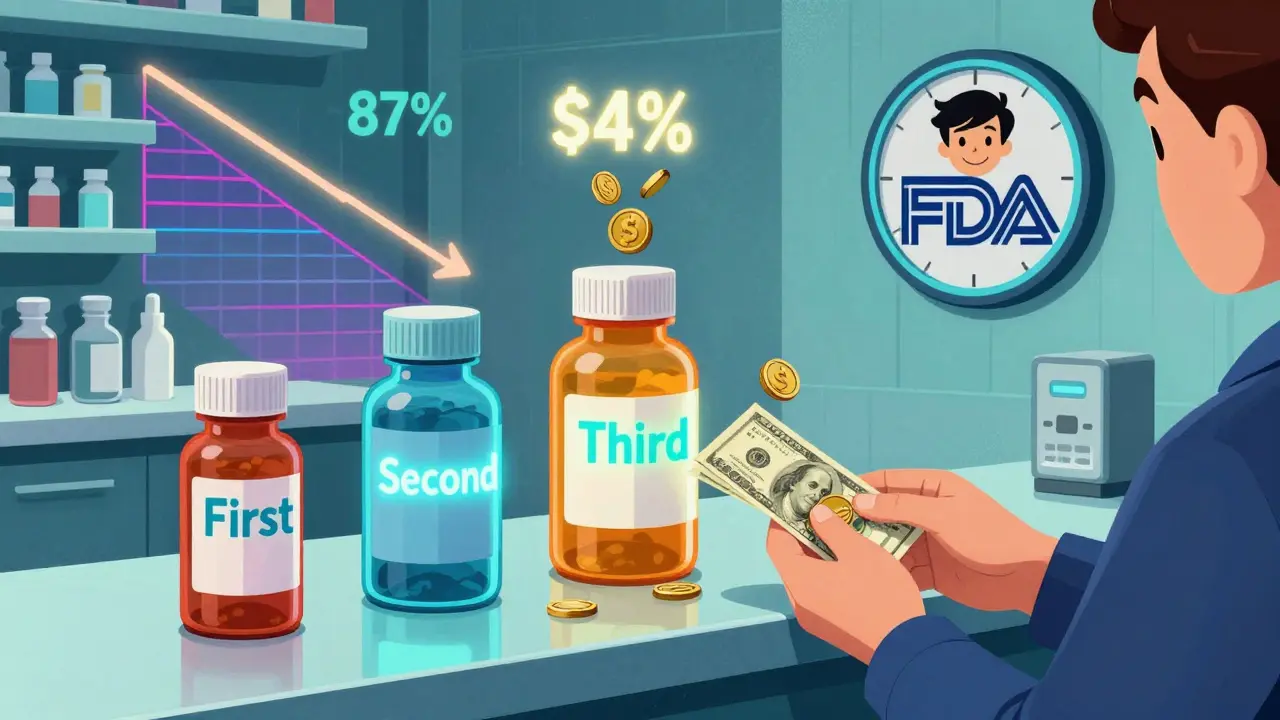
Second and third generic drug manufacturers drive the biggest price drops-cutting costs by up to 58% compared to the brand. Learn how competition between generics saves patients billions and why some drugs still cost too much.
 6 December 2025
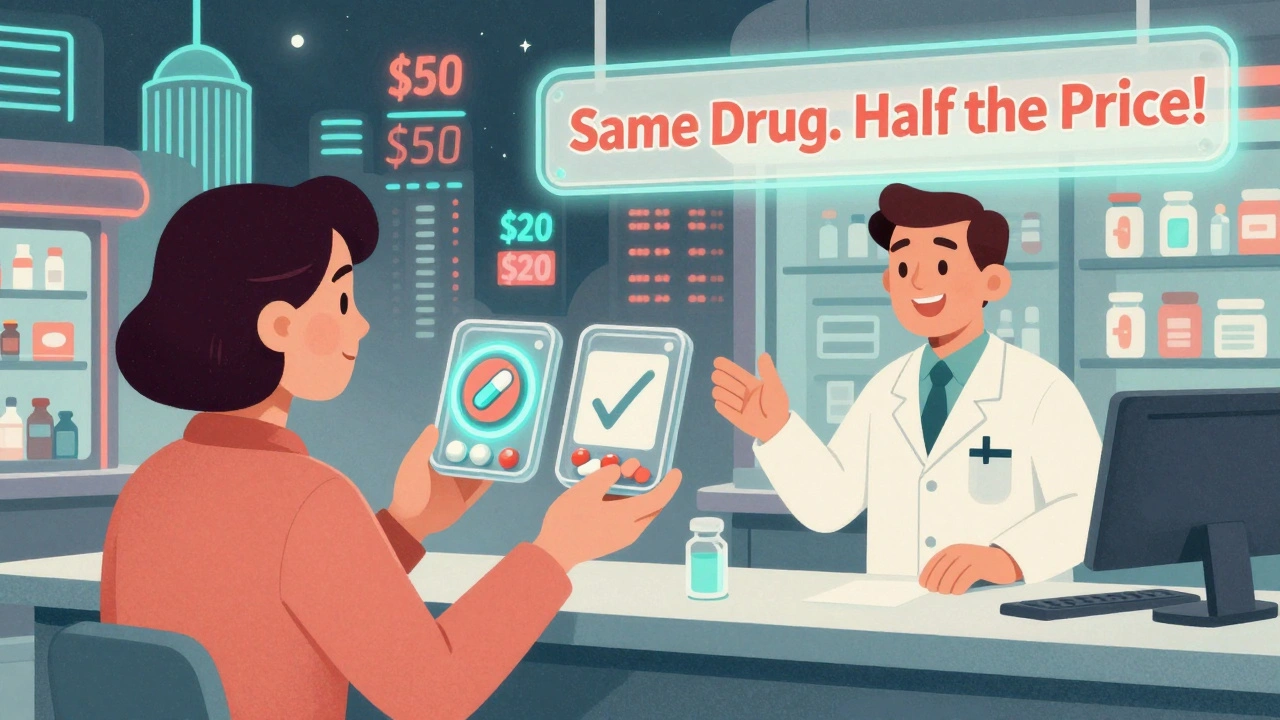
Authorized generics are identical to brand-name drugs but cost significantly less because they skip marketing and branding expenses. Learn how they work, why they're cheaper, and how to get them.


©2026 rxmedicin.su. All rights reserved
12