
When you’re juggling multiple prescriptions, over-the-counter meds, and supplements, medication management, the practice of safely tracking, taking, and adjusting your drugs to get the best results. Also known as drug therapy management, it’s not just about remembering to take your pills—it’s about making sure they don’t fight each other, cause harm, or drain your wallet. Many people think if a drug is approved, it’s automatically safe to mix with anything else. That’s not true. Combining an SSRI with a blood thinner can raise your bleeding risk by 33%. Taking diuretics in old age without adjusting fluid intake can land you in the hospital. And switching to a generic version of your thyroid med? Small differences in fillers or absorption can make you feel worse—even if the FDA says it’s "bioequivalent."
drug interactions, when two or more medications affect each other’s behavior in your body. Also known as medication conflicts, they’re not always obvious. Some happen in your liver (pharmacokinetic), where one drug speeds up or slows down how another is broken down. Others happen at the target site (pharmacodynamic), where two drugs amplify each other’s effects—like NSAIDs and blood pressure pills making your kidneys work harder. Then there’s generic drugs, medications that contain the same active ingredient as brand names but cost far less. Also known as therapeutic equivalents, they’re not all created equal. A 2023 FDA pilot program fast-tracked U.S.-made generics to fight shortages, but some manufacturers still pull older versions off shelves to block competition. And while authorized generics are identical to brand names, they’re often hidden behind confusing pharmacy labels. Tracking changes in your generics with a simple journal can catch side effects before they become serious.
Good medication management means asking: Who made this pill? When was it last changed? Does it interact with my coffee, grapefruit, or that new supplement? It means knowing when a symptom isn’t just a cold—it’s a reaction to your meds. It means speaking up when your insurance denies your generic, or when your elderly parent’s diuretic leaves them dizzy and dehydrated. It means reporting rare side effects—even if you think it’s just you. Those reports help the FDA spot patterns and protect others.
Below, you’ll find real stories and data-backed guides on how to track your meds, avoid dangerous combinations, get cheaper generics, and know when to call your doctor. No fluff. No jargon. Just what works when your health depends on getting it right.
 6 February 2026
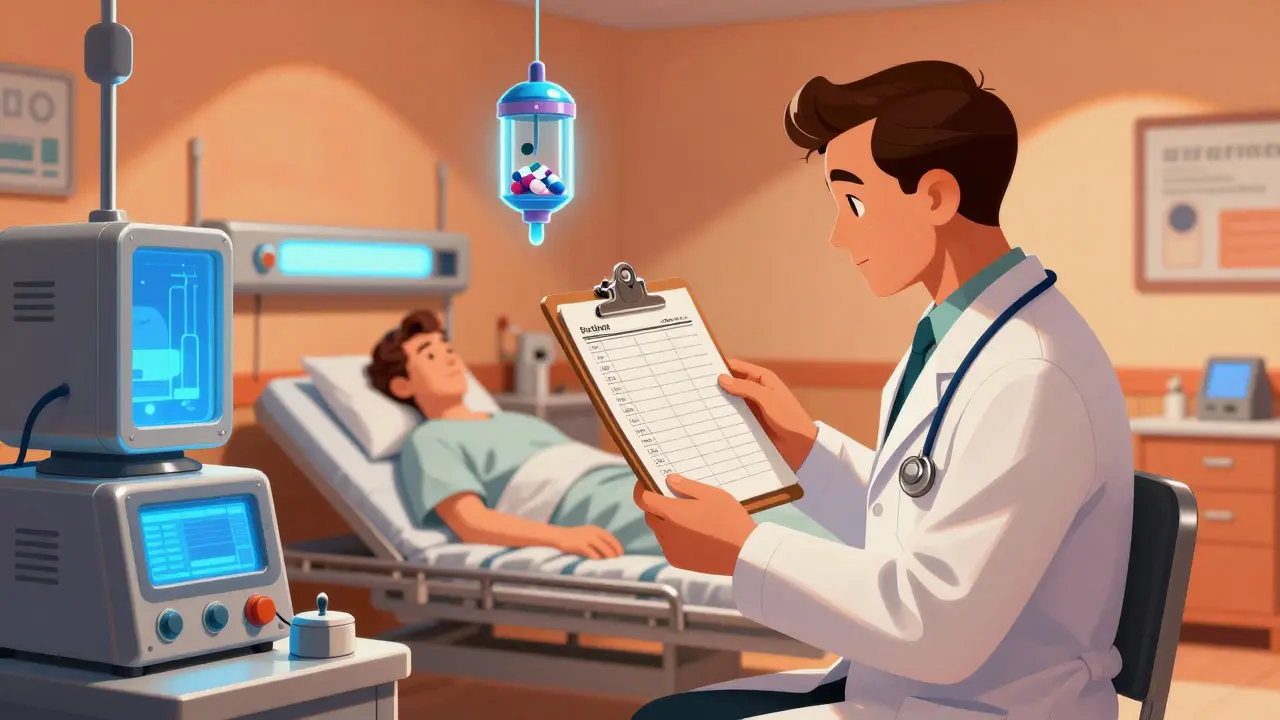
Medication list templates help track all your drugs to prevent errors. Free printable and digital options available. Compare top templates like ASCP, CDC, and Family Caregivers Online. Learn how to use them effectively. Stay safe with up-to-date medication records.
 9 December 2025
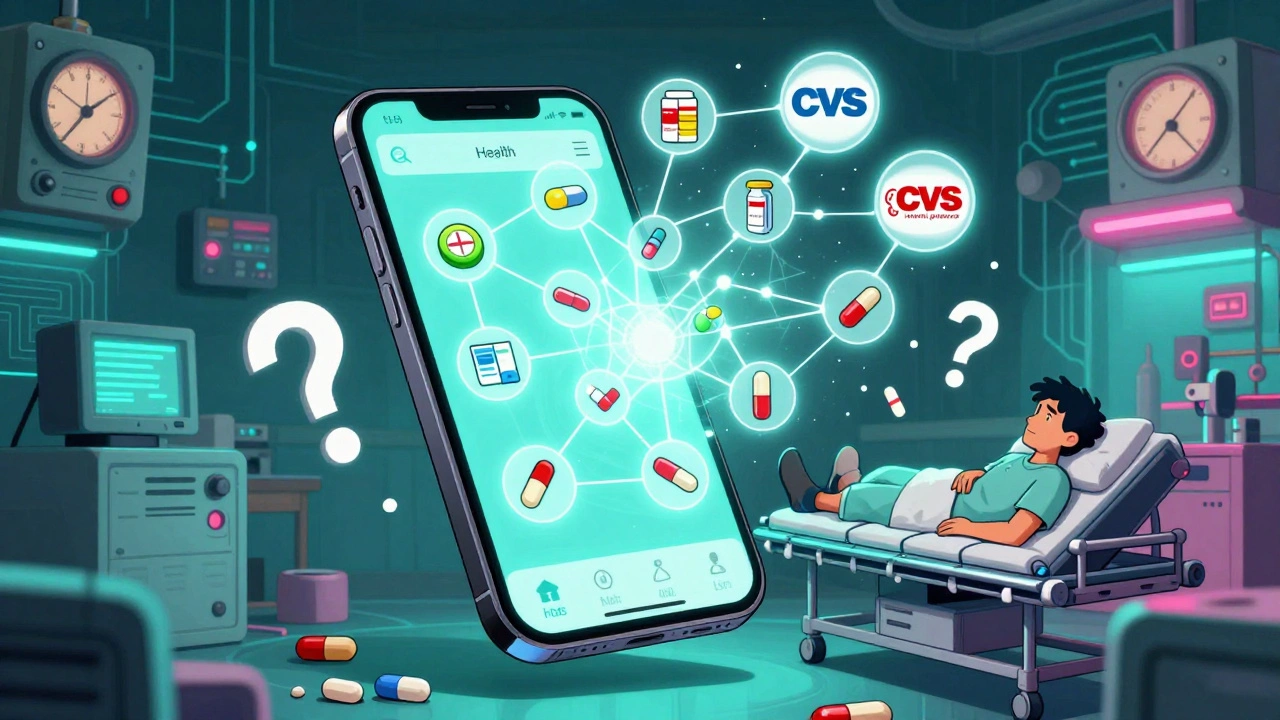
Personal health records help you track all your medications across pharmacies, reducing dangerous errors. Learn how to build an accurate, complete list - and why it matters for your safety.


©2026 rxmedicin.su. All rights reserved
8