
Every year, thousands of people take pills they think are real medicine-only to find out too late they were sold a lie. Counterfeit medications aren’t just fake; they’re dangerous. They might look identical to the real thing, but inside? They could contain nothing at all, toxic chemicals, or deadly doses of fentanyl. The symptoms you experience after taking them aren’t just side effects-they’re warning signs you’ve been poisoned.
Medication That Doesn’t Work at All
If you’ve ever taken a pill for high blood pressure, diabetes, or anxiety and noticed absolutely no change, that’s not just bad luck. It’s a red flag. According to Eli Lilly’s 2022 data, 89% of reported counterfeit medication cases involved patients who saw zero therapeutic effect-even when they took the correct dose. Imagine taking your insulin and your blood sugar stays sky-high. Or popping your blood pressure pills and still getting dizzy when you stand up. That’s not your body being stubborn. It’s likely the pill had no active ingredient at all. Counterfeiters often fill capsules with flour, chalk, or sugar. No medicine means no treatment. And if you’re managing a chronic condition, that gap can kill you.
New or Strange Side Effects
Have you ever had a side effect you’ve never felt before? Like sudden nausea, a rash, or a pounding headache after taking a drug you’ve used for years? The FDA found that 74% of confirmed counterfeit cases involved patients reporting “new or unusual side effects.” Why? Because counterfeit pills often contain unknown substances. Maybe they’re laced with methamphetamine. Or contaminated with heavy metals. Or mixed with rat poison. One patient in New Zealand reported severe vomiting and blurred vision after taking what she thought was her generic antidepressant. Turns out, the tablet had traces of a banned industrial solvent. Your body doesn’t know what it’s being exposed to. So it reacts in ways your doctor never warned you about.
Signs of Overdose (Especially with Fake Opioids)
If you or someone you know took a pill thinking it was oxycodone or Adderall, but now they’re unconscious, breathing slowly, or have pinpoint pupils-call emergency services immediately. This isn’t a bad reaction. This is a fentanyl overdose. The DEA reported that in 2021, 26% of seized counterfeit pills contained a lethal dose of fentanyl-enough to kill someone who’s never used opioids before. Fentanyl is 50 to 100 times stronger than heroin. And it doesn’t just affect addicts. Teens, seniors, and people buying pills online are being targeted. The symptoms come fast: confusion, cold skin, slow or stopped breathing, and loss of consciousness. In some cases, death occurs within 15 minutes. If you suspect fentanyl in a pill, don’t wait. Use naloxone if you have it, and get help now.
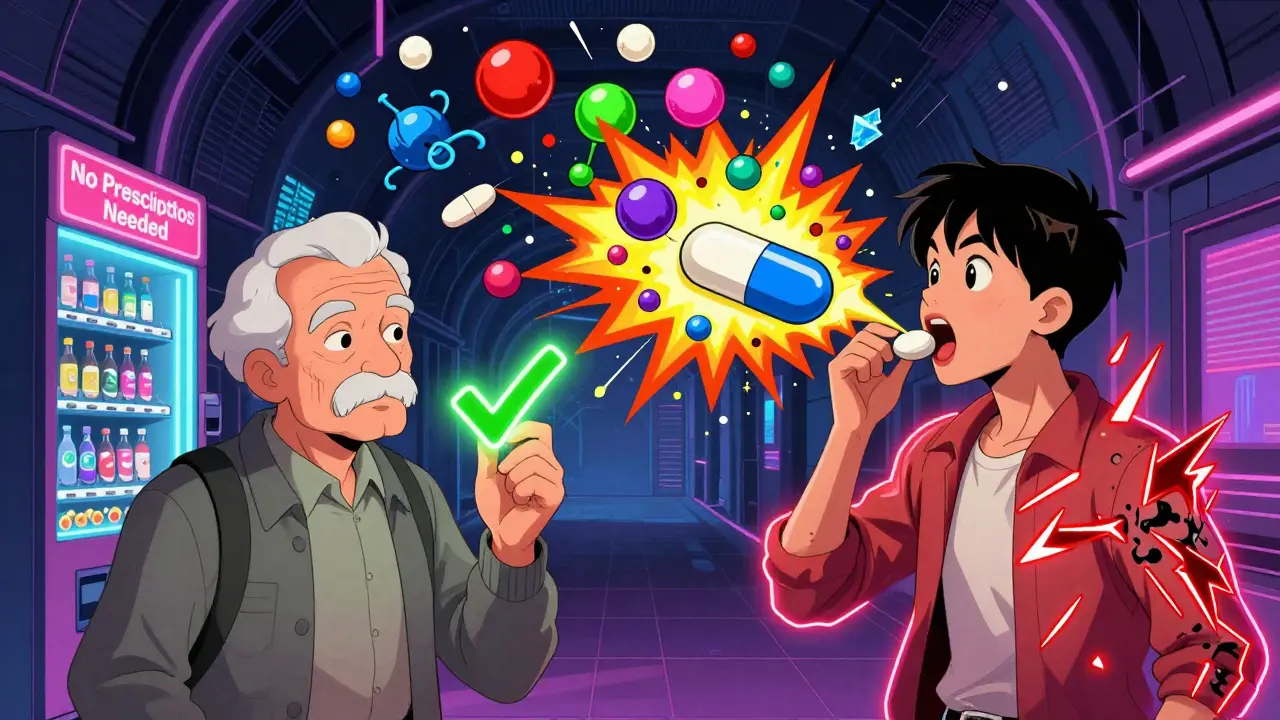
Stimulant Overload (Fake Adderall, Ritalin)
Counterfeit stimulants are another growing threat. Pills sold as Adderall or Ritalin often contain methamphetamine or amphetamines-sometimes in doses far higher than prescribed. Symptoms include: heart rate over 120 beats per minute, blood pressure above 180/110 mmHg, shaking, extreme sweating, chest pain, and body temperature over 104°F (40°C). One 2023 Reddit thread from New Zealand described 27 people who took fake Adderall and went into opioid withdrawal-not because they were addicted, but because the fake pills contained buprenorphine, an opioid used to treat addiction. Their bodies went into shock. If you’re taking a stimulant and suddenly feel like you’re having a panic attack that won’t end, it might not be anxiety. It might be poison.
Physical Signs the Pill Is Fake
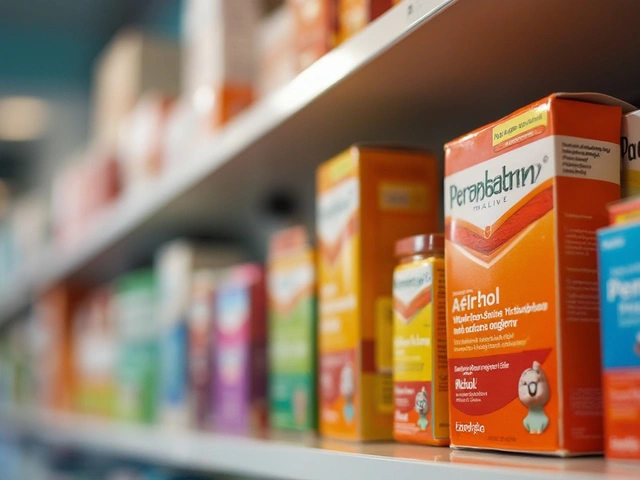
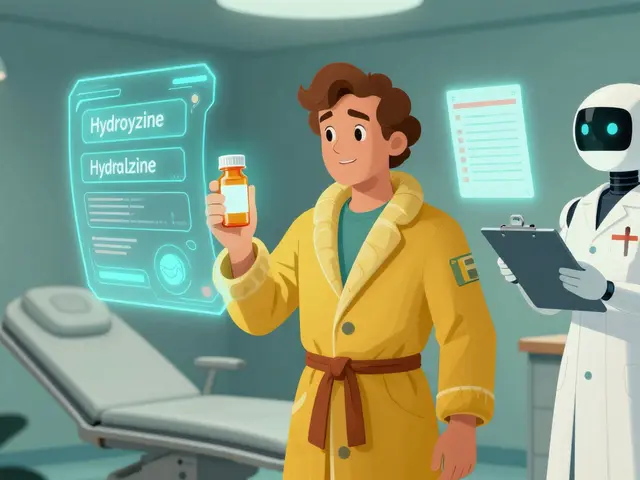
Before you even swallow it, look closely. Pfizer’s security team found that 78% of counterfeit pills have spelling errors on the label. One batch had “Vigra” instead of “Viagra.” Another had “Amlodipine” misspelled as “Amlodipine.” Check the color. Is it slightly off? Too dark? Too light? Are the markings on the tablet faded or smudged? Legitimate pills are made with precision. Their shape, size, and imprint are consistent. If your current refill looks different from last time-different texture, different smell, different taste-that’s not normal. The Therapeutic Goods Administration of Australia says any variation in size, weight, or embossing is a red flag. Even the packaging matters. Missing holograms, mismatched fonts, or a broken seal? Don’t take it. Return it.
Expired or Altered Expiry Dates
Counterfeiters don’t just make fake pills-they reuse old packaging. The UK’s Medicines Regulatory Agency found that 63% of seized counterfeit drugs had tampered expiry dates. A pill that’s supposed to expire in 2025 might be stamped with 2028. Or worse, a pill that expired in 2020 might be sold as fresh. Expired drugs lose potency. But counterfeiters don’t care. They might repack expired, degraded medicine and sell it as new. That means your diabetes medication might be useless. Your seizure drug might not prevent a fit. And if it’s degraded, it could break down into toxic compounds. Always check the expiry date. Compare it to your old prescription. If it doesn’t match, question it.
Buying Online? You’re at High Risk
Over 96% of online pharmacies selling prescription drugs are illegal. That’s the DEA’s number from 2021. And 89% of those sites sell counterfeit drugs. You might find them through social media ads, Google search results, or a “discount pharmacy” on Instagram. They promise lower prices. But they’re not saving you money-they’re risking your life. The FDA says 12,000 U.S. deaths in 2023 were linked to counterfeit opioids. Many of those came from websites. Even if the site looks professional, with fake reviews and secure-looking checkout pages, it’s still a trap. Real pharmacies require a prescription. They don’t send pills in unmarked envelopes. If you bought it without a prescription, or from a site you’ve never heard of, assume it’s fake.
What to Do If You Suspect a Counterfeit
Don’t panic. Don’t throw it away. Don’t take more. Here’s what to do:
- Stop taking the medication immediately.
- Save the pills, packaging, and receipt. Even if you’ve taken some, keep what’s left.
- Contact your pharmacist. They can check the lot number against manufacturer databases.
- Call the drugmaker directly. Eli Lilly, Pfizer, and Merck all have hotlines to report suspected counterfeits.
- Report it to your national health regulator. In New Zealand, that’s Medsafe. In the U.S., use the FDA’s MedWatch system.
Pharmaceutical companies track every fake lot. One phone call from a suspicious wholesaler in 2007 helped intercept 15,000 packs of fake cancer drugs-potentially saving hundreds of lives. Your report could do the same.
How to Protect Yourself
- Only fill prescriptions at licensed pharmacies. Avoid mail-order services you don’t recognize.
- Compare each refill. If the pill looks different, ask why.
- Use official verification tools. Merck has DNA markers in Zetia. Pfizer uses nanotech threads in Viagra. You can’t see them-but your pharmacist can check.
- Never buy from social media, marketplaces, or unverified websites.
- Teach teens about fake pills. Many are sold as “Adderall” or “Xanax” on TikTok and Instagram. They look like candy. They’re often lethal.
The fight against counterfeit drugs isn’t just for regulators. It’s for you. Your life depends on knowing what’s in the pill you swallow. If something feels off-trust it. Speak up. Save lives-including your own.
Can counterfeit meds make you sick even if you’ve taken them before?
Yes. Even if you’ve taken the same medication for years, a counterfeit version can contain different ingredients. You might have never reacted to the real drug, but the fake one could have fentanyl, meth, or toxic chemicals. Your body has no memory of those substances. That’s why new or unusual side effects are a major warning sign.
How can I tell if my pill is fake just by looking at it?
Check for spelling errors on the label, mismatched colors, inconsistent font sizes, or missing security features like holograms. Compare the pill’s shape, size, and imprint with your previous refill. If it’s crumbly, cracked, or has a bubbled coating, it’s likely fake. The FDA and Pfizer both say these physical flaws are common in counterfeit pills.
Are fake pills only a problem for opioids and stimulants?
No. Counterfeit versions exist for nearly every type of medication-antibiotics, blood pressure pills, insulin, antidepressants, even cancer drugs. The WHO reports that 42% of fake antimalarials contain too little active ingredient, leading to treatment failure. Others are contaminated with toxins. No drug is safe from counterfeiting.
What should I do if I think I’ve taken a counterfeit drug?
Stop taking it immediately. Keep the packaging and any remaining pills. Contact your pharmacist or doctor. Report it to your national health authority-like Medsafe in New Zealand or the FDA in the U.S. If you have symptoms like difficulty breathing, chest pain, or confusion, call emergency services right away.
Can pharmacies tell if a drug is counterfeit?
Yes. Pharmacists are trained to spot fake drugs. They check lot numbers against manufacturer databases, compare packaging to authentic samples, and look for security features like color-shifting ink or embedded threads. Many drugmakers also provide toll-free numbers for verification. If a pharmacy suspects a counterfeit, they’ll pull it from shelves and notify authorities.

Greg Scott
February 19, 2026 AT 14:16Been there. Took a fake Xanax last year after buying it from some guy on Instagram. Thought I was just having a bad anxiety day. Ended up in the ER with a heart rate of 150. They said it had meth in it. Don’t trust anything that comes in a plain envelope with no label. Seriously. Just say no to sketchy online pharmacies.
Courtney Hain
February 21, 2026 AT 00:25Let me tell you something most people don’t get. This isn’t just about counterfeit pills. This is about the collapse of trust in the entire pharmaceutical-industrial complex. Big Pharma has been corner-cutting for decades. They outsource production to unregulated labs in China and India. The FDA? They inspect less than 1% of imported drugs. And the DEA? They’re busy chasing street dealers while the real poison flows through Amazon, Shopify, and TikTok ads. The system is rigged. We’re being poisoned by design. And they call us paranoid when we ask where our meds come from. Wake up. This is a controlled demolition of public health. The real question isn’t whether your pill is fake-it’s whether the whole supply chain is a lie.
Marie Crick
February 21, 2026 AT 22:02If you bought it online without a prescription, you deserve what you get.
Maddi Barnes
February 22, 2026 AT 02:46Okay but like… have y’all seen the TikTok trends where teens are trading ‘Adderall’ that’s just fentanyl laced with glitter? 🤢 I’m not even kidding. My cousin’s roommate took one thinking it was for studying and ended up in a coma for 72 hours. The packaging looked like a Gummy Bear bag. The pill had a unicorn on it. I swear to god. This isn’t a public health crisis-it’s a horror movie. And we’re all just scrolling past it while our kids think they’re getting smart pills. 💔😭 #FakePillHorror
Ashley Paashuis
February 22, 2026 AT 23:12Thank you for sharing this comprehensive overview. The data presented here is both alarming and necessary. It’s critical that public awareness extends beyond anecdotal stories and into structured education-particularly in high schools and community health centers. Pharmacists, physicians, and even librarians should be equipped with visual guides to help identify counterfeit medications. The physical characteristics you listed-spelling errors, inconsistent coloring, altered imprints-are not merely quirks; they are forensic indicators. A standardized, publicly accessible database of legitimate pill appearances, maintained by the FDA and accessible via QR code on prescription bottles, could save thousands. This is not just about individual vigilance-it’s about institutional responsibility.
Arshdeep Singh
February 23, 2026 AT 03:05You think this is bad? Wait till you find out the real reason they let these fake pills fly. It’s not about greed. It’s about population control. The elites don’t want you healthy. They want you docile. Fentanyl in fake Adderall? That’s not an accident. That’s a feature. You think your insulin is for diabetes? Nah. It’s for making you dependent. You take it, you stay quiet. You don’t question. You just keep buying. The system is built to break you. The pills? Just the delivery mechanism. Wake up. The real drug is obedience.
Jeremy Williams
February 24, 2026 AT 14:33As someone who’s worked in international logistics for 18 years, I’ve seen the supply chains. Counterfeit drugs don’t come from some rogue lab in a basement. They come from legitimate factories that have been hijacked by organized crime syndicates. One container of fake blood pressure pills can be worth more than a ton of cocaine. And the logistics? They use the same shipping routes as real pharmaceuticals. The only difference? No chain of custody. No audit trail. No accountability. If you want to stop this, you don’t need more awareness-you need real-time blockchain tracking on every pill from manufacturer to pharmacy. Until then, we’re just rearranging deck chairs on the Titanic.
Ellen Spiers
February 25, 2026 AT 17:25The assertion that 89% of counterfeit cases involve zero therapeutic effect is statistically dubious. The cited source-Eli Lilly’s 2022 data-is not peer-reviewed, nor is it publicly accessible. Furthermore, the methodology for determining "zero therapeutic effect" is undefined. Is this based on patient self-reporting? Laboratory assays? Pharmacokinetic analysis? Without transparency, such figures risk being rhetorical rather than evidentiary. Additionally, the conflation of "toxic chemicals" with "fentanyl" as if they are synonymous is scientifically imprecise. Fentanyl is a specific opioid agonist, not a chemical category. Precision matters, especially in public health communication.
Benjamin Fox
February 25, 2026 AT 18:49USA is the only country that lets this happen. In Germany they just lock up anyone who sells fake meds. No trial. No lawyer. Just jail. We need to start doing the same. These scumbags are killing our kids. If you buy from some sketchy site you're asking for it. No sympathy. No pity. Lock 'em up and throw away the key. 💪🇺🇸
Jonathan Rutter
February 26, 2026 AT 15:24Wait. You mean people actually trust pills from the internet? I mean, come on. I’ve been buying meds from my cousin’s friend in Mexico for 12 years. Never had a problem. He sends them in a box with a note that says "for Maria" and a photo of his dog. I know he’s legit. You think I’m gonna trust some big pharma corporation that charges $500 for a bottle of insulin? Please. They’re the ones who made this mess. You think the real drugs are safe? I had a friend who got kidney failure from a "legit" brand-name drug. The FDA approved it. The company got fined $2 million. That’s like a parking ticket for murder. So no. I’m not gonna stop buying from my cousin. I’m gonna start a support group. We’re all just trying to survive. You want to fix this? Fix the prices. Fix the system. Don’t blame the people who are just trying to stay alive.
Jana Eiffel
February 26, 2026 AT 22:18The epistemological rupture between the perceived authenticity of pharmaceuticals and their material reality constitutes a profound ontological crisis in late-stage capitalism. The pill, once a symbol of medical progress, has been commodified into a simulacrum-its form retained, its essence erased. We are not merely consuming inert substances; we are internalizing the collapse of trust as a systemic condition. The counterfeit pill, then, is not an aberration-it is the logical endpoint of a healthcare system that prioritizes profit over personhood. To diagnose the counterfeit is not merely to identify a faulty tablet, but to recognize the erosion of the very epistemic framework that once allowed us to believe in healing. This is not a public health issue. It is a metaphysical one.