
Imagery rehearsal therapy, a cognitive behavioral technique that rewires nightmare patterns by rewriting them in your mind. Also known as IRT, it’s not about dreaming differently—it’s about training your brain to stop reliving fear while you sleep. If you wake up drenched in sweat after the same nightmare over and over—being chased, falling, losing someone—this isn’t just bad luck. It’s your brain stuck in a loop. Imagery rehearsal therapy breaks that loop without pills, side effects, or long-term dependence.
This therapy is most common for people with PTSD, a condition where trauma replays in flashbacks and nightmares, but it also helps those with sleep disorders, including chronic nightmare disorder, even without trauma history. Unlike medications that numb dreams, IRT gives you control. You don’t avoid the nightmare—you change it. A person who dreams of being trapped in a burning house might rewrite it to find a door, turn on the lights, or call for help. Then, they mentally rehearse this new version for 10–20 minutes each day. Studies show this simple act reduces nightmare frequency by 50% or more within weeks.
It works because nightmares aren’t random. They’re emotional memories stuck in the brain’s fear circuitry. Rehearsing a new ending signals your brain that the threat is over, that you’re safe now. It’s like updating an old software bug with a patch. You don’t need a therapist to start—you can do it alone with a notebook. But when combined with cognitive behavioral therapy, a structured approach to changing thought patterns, results improve even more. People who stick with it report better sleep, less anxiety during the day, and fewer panic attacks at night.
The posts below cover real-world cases where people used mental rehearsal to take back their sleep—from veterans with combat trauma to those with medication-induced nightmares. You’ll find how IRT fits with other treatments, what to do when it doesn’t work right away, and why some people see results faster than others. No fluff. Just what works, based on patient reports and clinical evidence.
 1 December 2025
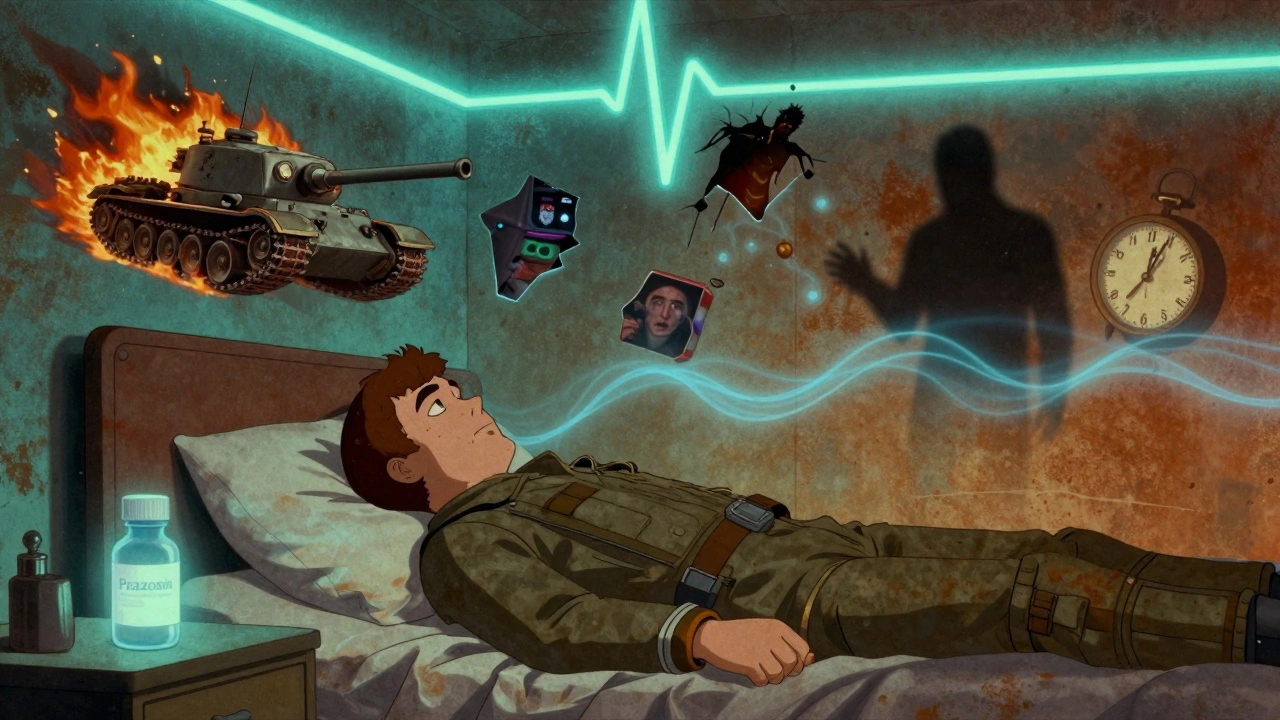
PTSD nightmares are common and debilitating. Learn how prazosin and sleep therapies like CBT-I and IRT work, what the research says, and which options actually lead to lasting recovery.





©2026 rxmedicin.su. All rights reserved
15