
When you take more than one medication, your body becomes a battlefield. Drug interaction symptoms, unintended physical or mental reactions caused by two or more drugs affecting each other. Also known as medication clashes, these aren’t just side effects—they’re warnings your body is under stress from how drugs are working together. It’s not rare. One in four adults takes five or more meds. And if you’re on blood thinners, antidepressants, or heart meds? You’re at higher risk. The problem isn’t always obvious. You might feel tired, dizzy, or just "off," but it could be your liver overwhelmed by conflicting drugs.
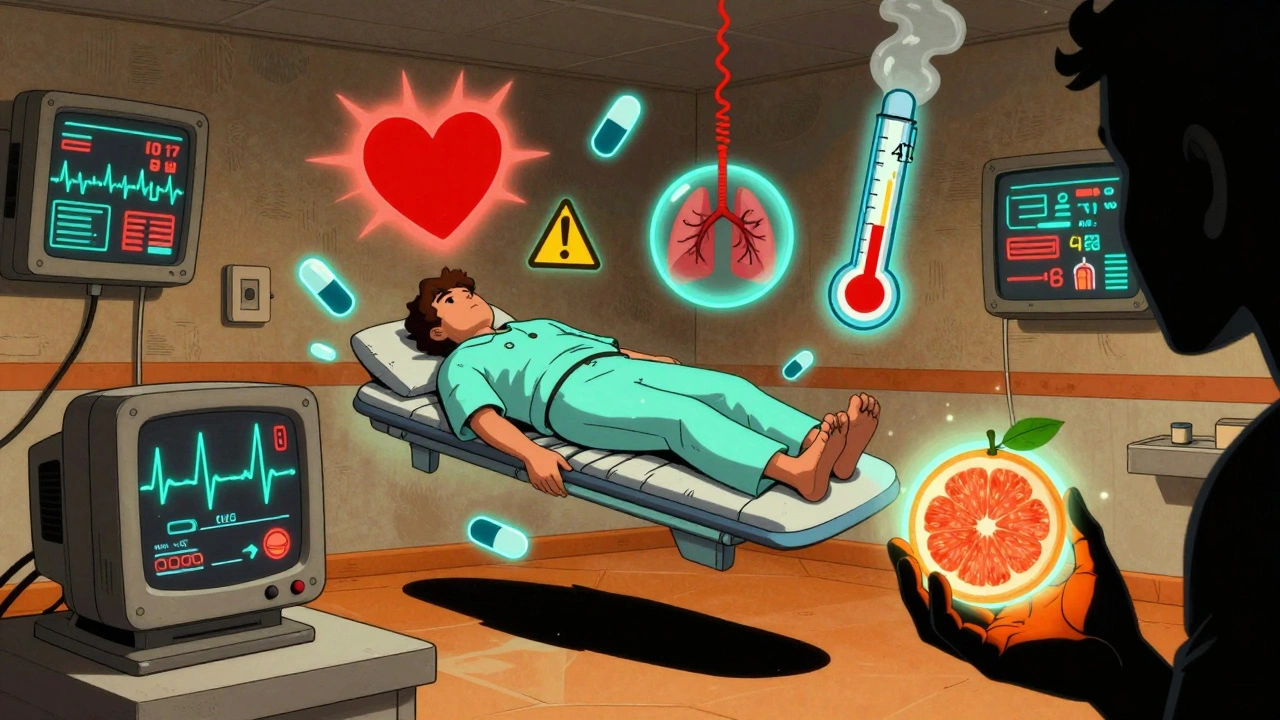
There are two main ways drugs mess with each other. One is pharmacokinetic interactions, how your body absorbs, breaks down, or removes a drug. For example, grapefruit juice can stop your body from clearing a statin, leading to muscle damage. The other is pharmacodynamic interactions, when two drugs amplify or cancel each other’s effects. Take an SSRI with a blood thinner? Your bleeding risk jumps by 33%—and you might not notice until you bruise easily or bleed longer from a cut. These aren’t theoretical. Real people end up in the ER because they didn’t connect their symptoms to their meds.
Some symptoms are easy to miss. A slight headache? Maybe just stress. Nausea after starting a new pill? Probably just your stomach adjusting. But when these show up after adding a new drug—or changing doses—they’re red flags. Watch for confusion, rapid heartbeat, unexplained bruising, sudden swelling, or extreme drowsiness. Older adults are especially vulnerable. Diuretics and blood pressure pills together? That’s a dehydration trap. Corticosteroids and antidepressants? Mood swings can turn into full-blown psychosis. You don’t need to be a scientist to spot danger. Just ask: "Did this start after I changed my meds?" If yes, it’s not coincidence.
Keep a simple log. Write down what you take, when, and how you feel. That’s your best tool. Doctors don’t always catch these clashes—especially if you forget to mention that herbal tea you drink daily or the OTC painkiller you take for back pain. Your medication journal isn’t just for generic switches. It’s your early warning system. And if you see a pattern—like every time you take ibuprofen with your blood pressure pill you get dizzy—don’t wait for your next appointment. Call your pharmacist. They’re trained to spot these things.
What you’ll find below are real stories, real data, and real advice from people who’ve been there. From how SSRIs and anticoagulants quietly raise bleeding risk, to why some generics cause unexpected side effects when switched, to how obesity changes how drugs behave in your body. No fluff. No theory. Just what you need to know to stay safe. Because knowing the signs of a drug interaction isn’t just helpful—it’s life-saving.
 5 December 2025
Learn when to seek emergency help for drug interactions - from life-threatening symptoms like seizures and breathing trouble to warning signs that need urgent medical attention within 24 hours.

©2026 rxmedicin.su. All rights reserved
13