
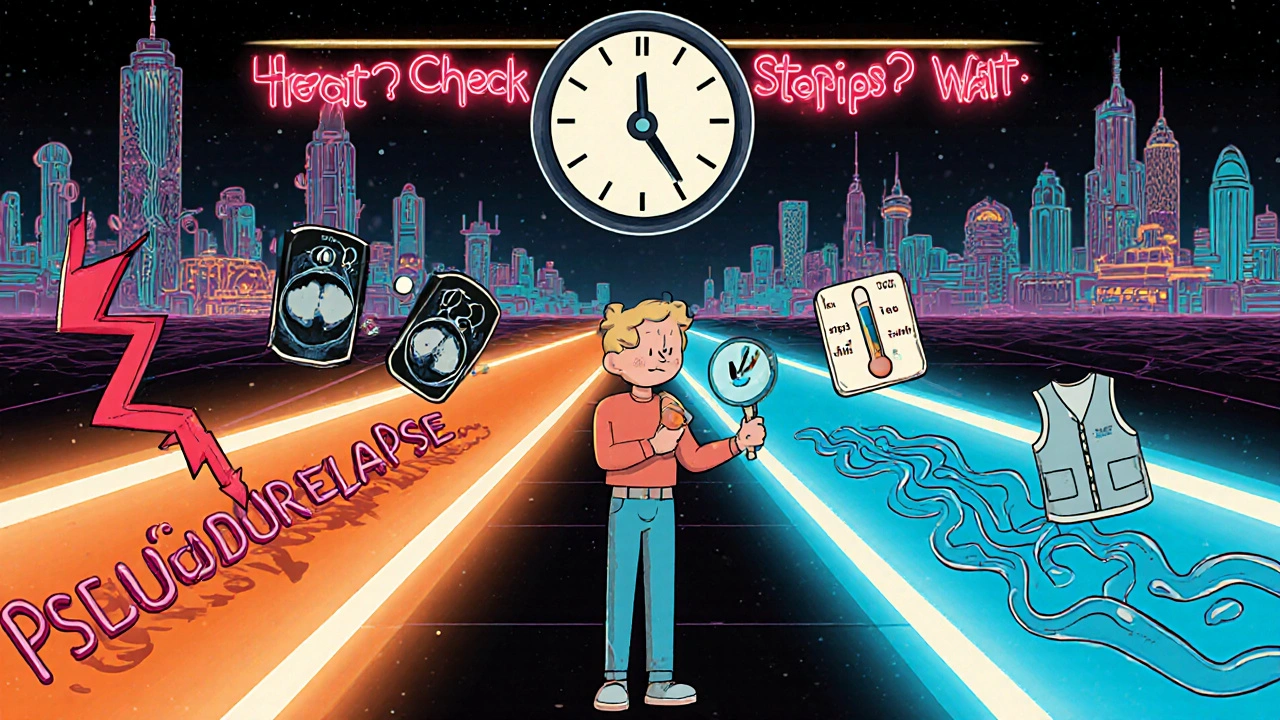
When your symptoms come back after feeling better, it’s natural to panic—especially if you’re managing a chronic condition. But not every return of symptoms means your disease is active. pseudorelapse, a temporary worsening of symptoms caused by factors other than disease progression. Also known as medication rebound, it happens when your body responds to changes in treatment, stress, or even stopping a drug too fast—not because the illness is flaring. This isn’t just semantics. Mistaking a pseudorelapse for a real flare can lead to unnecessary drug changes, higher costs, and even dangerous side effects from adding or switching medications.
Pseudorelapse often looks like a relapse, but the root cause is different. For example, someone on long-term antidepressants might feel anxious and tired after missing a dose—not because their depression returned, but because their brain is adjusting to the sudden drop in medication. That’s a drug tolerance, a physiological adaptation where the body becomes less responsive to a drug over time reaction. Same with people on steroids or blood pressure meds: stopping abruptly can trigger dizziness, headaches, or heart palpitations that mimic disease activity. These aren’t signs the condition is getting worse—they’re signs your body needs a slower taper. Even treatment resistance, when a medication stops working despite correct use can be confused with pseudorelapse. Sometimes, it’s not that the drug failed—it’s that another factor, like poor sleep, infection, or stress, is pushing symptoms to the surface.
Doctors often miss pseudorelapse because it doesn’t show up on lab tests or scans. You feel bad, your doctor sees no new damage, but you’re still suffering. That’s where knowing the difference matters. Ask yourself: Did I change my dose? Skip a pill? Start a new supplement? Get sick? Sleep less? If yes, the trigger is likely external—not your disease. Real relapses tend to worsen over time and respond to treatment adjustments. Pseudorelapses often improve once you fix the trigger—like restarting a missed med slowly, reducing stress, or treating an underlying infection.
Below, you’ll find real-world cases where people thought they were having a relapse—only to find out it was something else entirely. From antihistamines worsening restless legs, to withdrawal mimicking neuropathic pain, to how stopping a blood pressure drug can trigger symptoms that look like heart failure—these stories show how often we misread what our bodies are telling us. You’ll learn how to track your symptoms accurately, recognize patterns linked to medication changes, and avoid unnecessary treatment shifts that could do more harm than good.
 24 November 2025
Learn how to tell the difference between a true MS relapse and a pseudorelapse, what triggers each, and why steroids aren't always the answer. Avoid unnecessary treatments and protect your health with smart, evidence-based steps.



©2026 rxmedicin.su. All rights reserved
9