
When your blood sugar is higher than normal but not high enough for a diabetes diagnosis, you have prediabetes, a condition where your body starts to resist insulin, causing glucose to build up in your blood. Also known as impaired glucose tolerance, it’s not a life sentence—it’s a warning sign you can act on.
Prediabetes reversal isn’t about drugs or quick fixes. It’s about insulin resistance, the root cause where cells stop responding well to insulin, forcing your pancreas to pump out more. Over time, this wears out your pancreas and pushes you toward type 2 diabetes. But studies show that losing just 5-7% of your body weight and getting 150 minutes of walking a week can cut your risk by more than half. That’s not theory—it’s what people in real programs like the CDC’s National Diabetes Prevention Program have done. You don’t need to run marathons or go keto. Small, consistent changes work.
Many people don’t realize prediabetes has no symptoms. You might feel fine, but your liver is storing more fat, your muscles aren’t taking up sugar well, and your pancreas is overworked. That’s why blood tests matter. A simple HbA1c or fasting glucose test can catch it early. And once you know, you’re not stuck. You can reverse it by eating more vegetables, cutting back on sugary drinks and refined carbs, and moving more every day. Even a 20-minute walk after dinner helps your body use insulin better.
What you eat matters more than you think. Swap white bread for whole grains, soda for water, and snacks high in sugar for nuts or yogurt. These aren’t drastic changes—they’re swaps that add up. And when you lose weight, even a little, your body starts to heal. Fat around your belly is especially bad for insulin resistance. Reducing it improves how your cells respond to insulin. This isn’t magic. It’s biology.
Some people think medication is the answer, but metformin is only a backup. The real power comes from lifestyle. The same habits that help with prediabetes also lower blood pressure, improve sleep, and reduce inflammation. That’s why so many of the articles below focus on tracking medications, managing side effects, and understanding how your body reacts to changes. You’re not just avoiding diabetes—you’re building a healthier life.
You’ll find practical guides here on keeping a medication journal, a simple tool to track how your body responds to diet, exercise, or new habits, how to avoid dangerous drug interactions when you’re on multiple meds, and how to use your pharmacy records to stay on top of your health. No fluff. No scare tactics. Just what works.
 8 December 2025
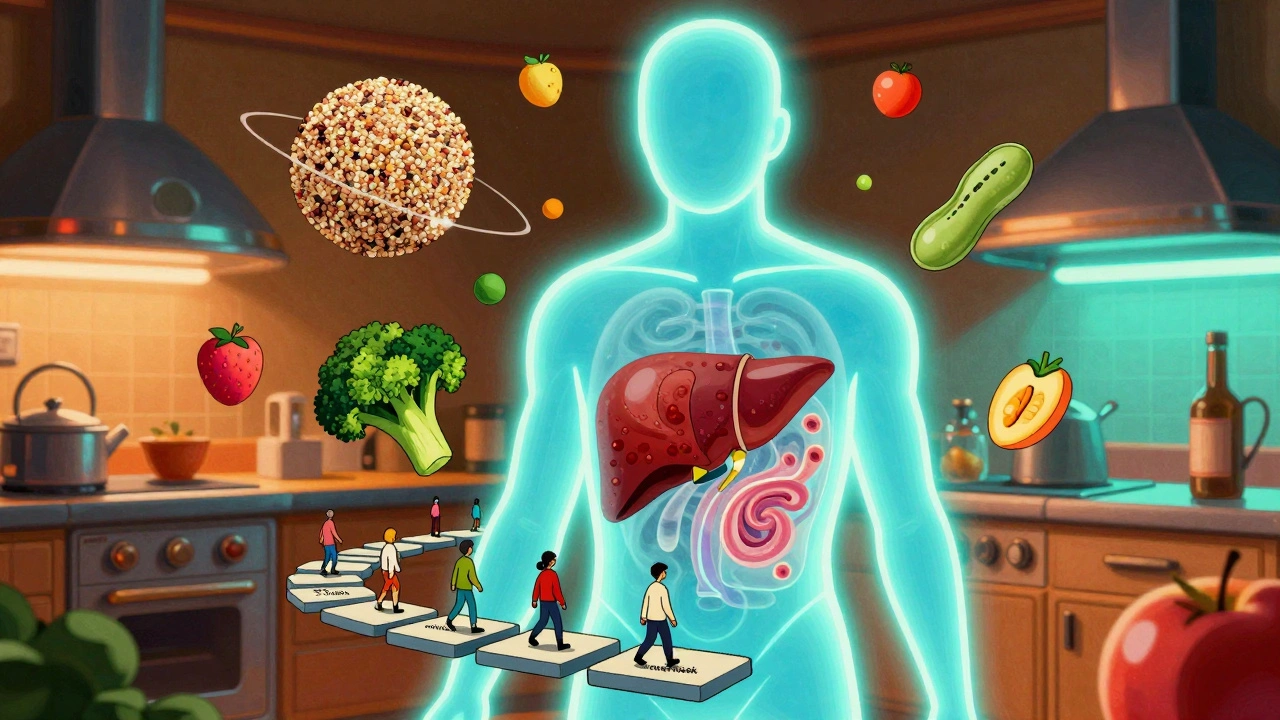
Prediabetes can be reversed with simple, science-backed lifestyle changes-no pills needed. Learn how diet, movement, sleep, and support can lower your blood sugar and prevent type 2 diabetes.


©2026 rxmedicin.su. All rights reserved
17