
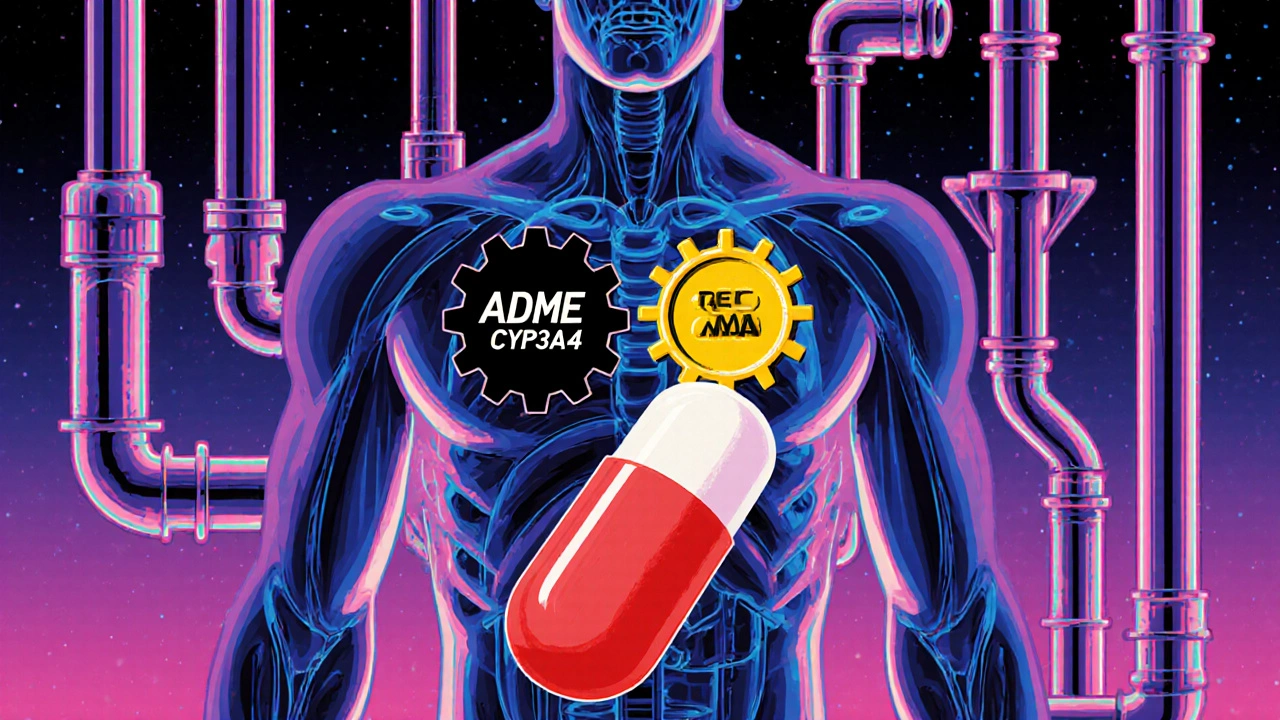
When you take more than one medication, your body doesn’t treat them like separate events—it tries to process them all at once. This is where pharmacokinetic interactions, how drugs change each other’s absorption, distribution, metabolism, or elimination in the body. Also known as drug-drug interactions, it can turn a safe dose into a dangerous one without warning. These aren’t about how drugs work together to treat a condition—they’re about how your body handles them behind the scenes. One drug might slow down how fast another gets broken down, letting it build up to toxic levels. Another might block absorption so the second drug never even enters your system. It’s not guesswork. It’s chemistry. And it’s happening in your liver, kidneys, and gut right now if you’re on multiple meds.
Think of your liver as a busy factory. Drug metabolism, the process where enzymes like CYP3A4 break down medications into usable or excretable forms. Also known as hepatic clearance, it can get overloaded or blocked. If you take grapefruit juice with certain blood pressure pills, that juice shuts down the enzyme that normally clears the drug. Result? The drug stays in your system too long. That’s a pharmacokinetic interaction. Or take antibiotics like clarithromycin—they can stop your body from breaking down statins, raising the risk of muscle damage. These aren’t rare edge cases. They show up in everyday prescriptions. Even over-the-counter stuff like St. John’s Wort can mess with antidepressants, birth control, or blood thinners by speeding up metabolism. And it’s not just pills. Supplements, herbal teas, and even food can act like silent switches in your body’s drug-processing system.
Then there’s drug absorption, how quickly and completely a medication enters your bloodstream after swallowing. Also known as bioavailability, it can be ruined by what you eat or other drugs you take. Calcium supplements can bind to antibiotics like ciprofloxacin and stop them from being absorbed. Antacids can do the same to thyroid meds. Even timing matters—taking a drug with food might help one but hurt another. That’s why reading labels isn’t enough. You need to understand the pattern: when a drug’s level rises or falls unexpectedly, it’s often not because your condition changed—it’s because something else you’re taking changed how your body handled it.
What you’ll find in these posts isn’t theory. It’s real-world examples: how antihistamines worsen restless legs by blocking dopamine, why generic versions of drugs can still cause unexpected reactions, how diet affects imipramine, and why some blood pressure meds trigger rare allergies. You’ll see how people misread labels, miss interactions, and end up in the ER—not because they were careless, but because the system doesn’t make these connections obvious. These stories aren’t warnings. They’re maps. And if you’re taking more than one thing, you need this map.
 18 November 2025
Learn how pharmacokinetic and pharmacodynamic drug interactions work, why they matter for safety, and what you can do to avoid dangerous side effects when taking multiple medications.

©2026 rxmedicin.su. All rights reserved
10