
When you pick up a prescription and get a different pill than what your doctor wrote, that’s generic substitution, the practice of swapping a brand-name drug for a chemically identical generic version approved by regulators. Also known as therapeutic substitution, it’s one of the biggest ways healthcare systems cut costs without losing effectiveness. It’s not magic—it’s science. The generic version must prove it delivers the same amount of active ingredient at the same speed as the brand, a process called bioequivalence, a strict testing standard that ensures the generic works the same way in your body. This isn’t just about price. It’s about access. Millions rely on generics to afford life-saving drugs like blood pressure pills, antidepressants, or diabetes meds.
But here’s the catch: not all substitutions are the same. Some generics are direct copies—same ingredients, same shape, same release pattern. Others, especially with complex drugs like anticoagulants or epilepsy meds, need extra care. That’s where drug interchangeability, a higher standard that allows pharmacists to switch brands automatically without consulting the doctor comes in. In the U.S., only a few biosimilars and generics have this label from the FDA. Outside the U.S., rules vary. The EU, for example, has multiple approval paths and national differences that affect how and when generics can replace brand names. And while most people experience no difference, rare side effects from generics do happen—sometimes because of inactive ingredients, not the active drug. That’s why reporting unusual reactions matters.
Generic substitution isn’t just about saving money on a single pill. It’s part of a larger system. Switching from a brand-name combo drug to two separate generics can cut your annual cost by hundreds or even thousands. Insurance companies push it because it works. But you still have the right to ask for the brand if you feel the generic doesn’t work the same for you. That’s why knowing how to appeal a denial or understand your label is crucial. You’ll find posts here that explain exactly how to do that, what to watch for with medications like SSRIs and anticoagulants when switching, how biosimilars differ from generics, and why some drugs—like DOACs in obese patients—still work fine on standard generic doses. Whether you’re managing chronic illness, fighting insurance denials, or just trying to stretch your budget, the articles below give you the real-world tools to navigate generic substitution safely and smartly.
 4 December 2025
Keep a simple medication journal when switching to generic drugs to track side effects, effectiveness, and manufacturer changes - especially for thyroid, blood thinners, or seizure meds. Small differences can impact how you feel.
 3 December 2025
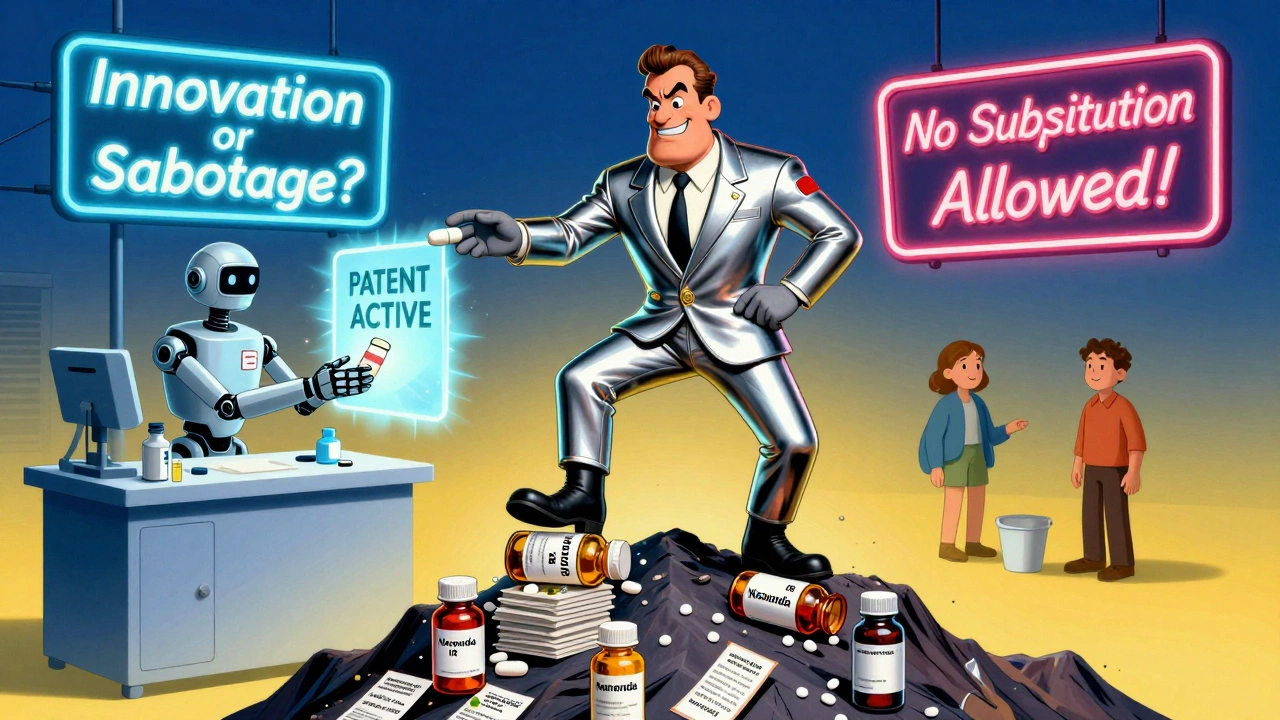
Big pharma is using legal loopholes to block cheaper generic drugs by pulling older versions off the market. Learn how product hopping, REMS abuse, and court rulings are affecting drug prices and what’s being done to stop it.



©2026 rxmedicin.su. All rights reserved
8