
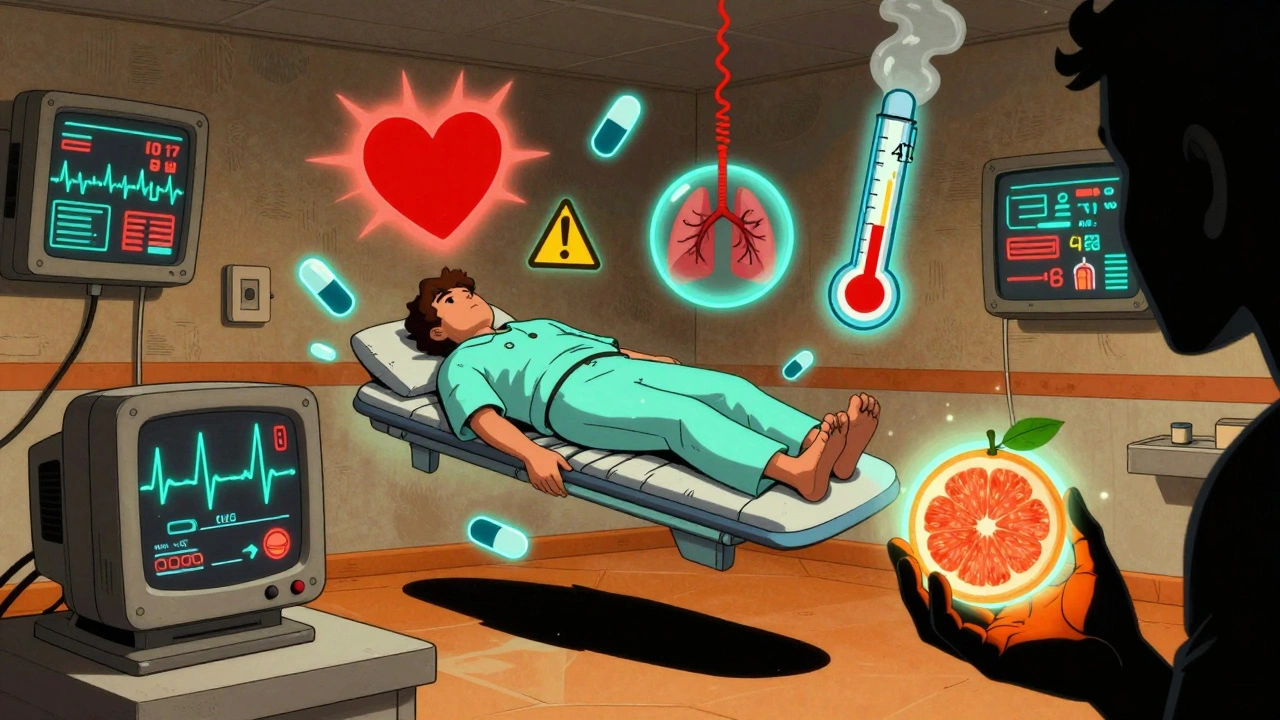
When two or more drugs react in your body in a dangerous way, it’s not just a side effect—it’s a drug interaction emergency, a sudden, potentially life-threatening reaction caused by conflicting medications. Also known as adverse drug reaction, this isn’t rare—it happens more often than you think, especially when people take multiple prescriptions, over-the-counter pills, or supplements without checking for conflicts. The most common triggers? Blood thinners mixed with antidepressants, antibiotics paired with birth control, or even grapefruit juice with cholesterol meds. These aren’t hypothetical risks—they’re documented, preventable dangers that send tens of thousands to the ER every year.
Understanding how these reactions work helps you stay safe. There are two main types: pharmacokinetic interactions, when one drug changes how your body absorbs, breaks down, or gets rid of another, and pharmacodynamic interactions, when two drugs amplify or cancel each other’s effects on your body. For example, SSRIs and anticoagulants together can spike your bleeding risk by 33%—a real, measurable danger. Or take corticosteroids: they can trigger psychosis in older adults, especially when combined with certain psychiatric meds. These aren’t guesses—they’re findings from clinical studies and real-world reports. Even something as simple as a common antihistamine like Benadryl can make dizziness worse if you’re already on blood pressure pills. The problem isn’t always the drugs themselves—it’s the combo.
Who’s most at risk? Older adults taking five or more medications, people with chronic conditions like heart disease or epilepsy, and those who switch generic brands without tracking changes. A medication journal isn’t just helpful—it’s a lifesaver when you’re juggling multiple prescriptions. And if you’ve ever felt suddenly dizzy, confused, or had unexplained bruising after starting a new drug, that’s not normal. That’s your body warning you. You don’t need to be a doctor to recognize the signs: unusual fatigue, rapid heartbeat, swelling, trouble breathing, or sudden mood shifts. If you notice these after changing meds, don’t wait. Call your pharmacist or doctor. In a true emergency, go to the ER. Your report matters too—reporting rare side effects helps improve drug safety for everyone.
Below, you’ll find real-world guides on how to spot dangerous combos, what to do when things go wrong, and how to protect yourself—even if you’re taking nothing more than a daily aspirin and a multivitamin. These aren’t theory pieces. They’re tools built from patient experiences, clinical data, and expert analysis. Know what to watch for. Know what to do. And know you’re not alone in this.
 5 December 2025
Learn when to seek emergency help for drug interactions - from life-threatening symptoms like seizures and breathing trouble to warning signs that need urgent medical attention within 24 hours.

©2026 rxmedicin.su. All rights reserved
13