
When a migraine hits, it’s not just a headache. It’s a full-body assault - pounding pain, nausea, sensitivity to light and sound, sometimes even vision changes. For over a billion people worldwide, this isn’t occasional. It’s a recurring, disabling condition. And while rest and dark rooms help, they rarely stop the attack. The real answer lies in two clear strategies: abortive medications to stop the migraine once it starts, and preventive medications to keep it from happening in the first place.
How Abortive Medications Work - Stop the Attack Early
Abortive meds are your first line of defense. They don’t cure migraines. They don’t prevent them. They stop them - if you take them early. Studies show that taking medication within the first hour of headache onset cuts recurrence rates in half. Waiting too long? The pain becomes harder to control, and your stomach may be too sluggish to absorb pills.The most common and effective first-line options are NSAIDs. Ibuprofen (400mg), naproxen sodium (550mg), and aspirin (900-1000mg) work by blocking the body’s pain signals. They’re cheap, accessible, and backed by strong evidence. For many people, one of these is all they need. The combo of acetaminophen (250mg), aspirin (250mg), and caffeine (65mg) - sold as Excedrin Migraine - has been shown in multiple trials to outperform single-agent NSAIDs. Caffeine helps the painkillers work faster and better.
But if NSAIDs don’t cut it, or your migraine is moderate to severe, triptans are the gold standard. Sumatriptan, rizatriptan, and zolmitriptan are selective serotonin agonists. They narrow blood vessels around the brain and block pain pathways. About 42% to 76% of users get pain-free results within two hours, depending on the dose and form. They come as pills, nasal sprays, injections, and even dissolvable tablets. The key? Take them as soon as you feel the migraine starting - not after the pain peaks.
What if triptans don’t work? Or you have heart disease and can’t take them? That’s where newer options come in. CGRP receptor antagonists like ubrogepant (Ubrelvy) and rimegepant (Nurtec ODT) block a protein linked to migraine pain. In clinical trials, around 20% of users were pain-free at two hours - double the placebo rate. Rimegepant has an added perk: it’s approved for both acute treatment and prevention. Lasmiditan (Reyvow) is another option, especially for people who can’t use triptans. It doesn’t constrict blood vessels, making it safer for those with cardiovascular risks. In one 2022 study, 200mg of lasmiditan gave 58% of users pain relief at two hours.
And now, there’s zavegepant (Zavzpret), a nasal spray approved in late 2023. It’s the first CGRP blocker you can inhale. It works fast - pain relief in under an hour for many. No swallowing pills. No needles. Just a quick spray. For people with nausea or stomach stasis during migraines, this is a game-changer.
Preventive Medications - Less Frequent, Less Severe
If you’re having 4 or more migraines a month, or your attacks last more than 72 hours, you might need preventive treatment. These aren’t taken when you feel pain. They’re taken daily - rain or shine - to reduce how often and how badly migraines strike.The old-school options still work. Beta-blockers like propranolol and metoprolol, originally developed for high blood pressure, have been used for decades. Topiramate, an anticonvulsant, reduces migraine frequency by about half in many patients. Amitriptyline, a tricyclic antidepressant, helps with both pain and sleep - two things that often go hand-in-hand with chronic migraines.
But the biggest shift in the last five years? CGRP monoclonal antibodies. These are monthly or quarterly injections that target the same protein as the oral CGRP blockers - but they’re longer-lasting. Erenumab (Aimovig), fremanezumab (Ajovy), and galcanezumab (Emgality) have changed the game. In trials, about half of users cut their monthly migraine days by at least 50%. And unlike older preventives, they don’t cause brain fog, weight gain, or dizziness. They’re well tolerated. The American Academy of Neurology gave them Level A evidence - the strongest possible - in 2020. They’re now first-line for people who haven’t responded to other preventives.
For women with menstrual migraines, long-acting triptans like frovatriptan and naratriptan can be taken a few days before your period starts and continued through the window of risk. This targeted approach cuts attack frequency by up to 70% in some studies. It’s not a daily pill - it’s a timed shield.
What Works Best Together?
Sometimes, combining treatments gives better results than either alone. One study showed that taking eletriptan (a triptan) with naproxen (an NSAID) led to 32% of users being pain-free at two hours - compared to just 22% with the triptan alone. This combo works because they attack the migraine from different angles: one reduces inflammation, the other blocks nerve signals.Another powerful strategy? Pairing medication with non-drug tools. Ice packs on the neck, dark rooms, quiet spaces, and even pressure bands on the forehead can boost the effect of pills. One survey found 63% of users who combined medication with these methods reported better relief than those who relied on pills alone.

What Doesn’t Work - And Why It’s Still Prescribed
Here’s the uncomfortable truth: too many people still get opioids or barbiturates for migraines. Narcotics like oxycodone or hydrocodone are not migraine treatments. They don’t stop the attack. They just numb the pain - and they carry a high risk of addiction and medication-overuse headaches (MOH). The National Ambulatory Medical Care Survey found that 15.2% of migraine visits still resulted in opioid prescriptions - even though guidelines have warned against this for over a decade.MOH happens when you use abortive meds too often. For triptans, it’s around 10 doses per month. For NSAIDs, it’s 15. Once MOH sets in, you need to stop the medication entirely - even if it means going through withdrawal headaches for days. It’s brutal. And entirely preventable.
Cost, Access, and Real-World Barriers
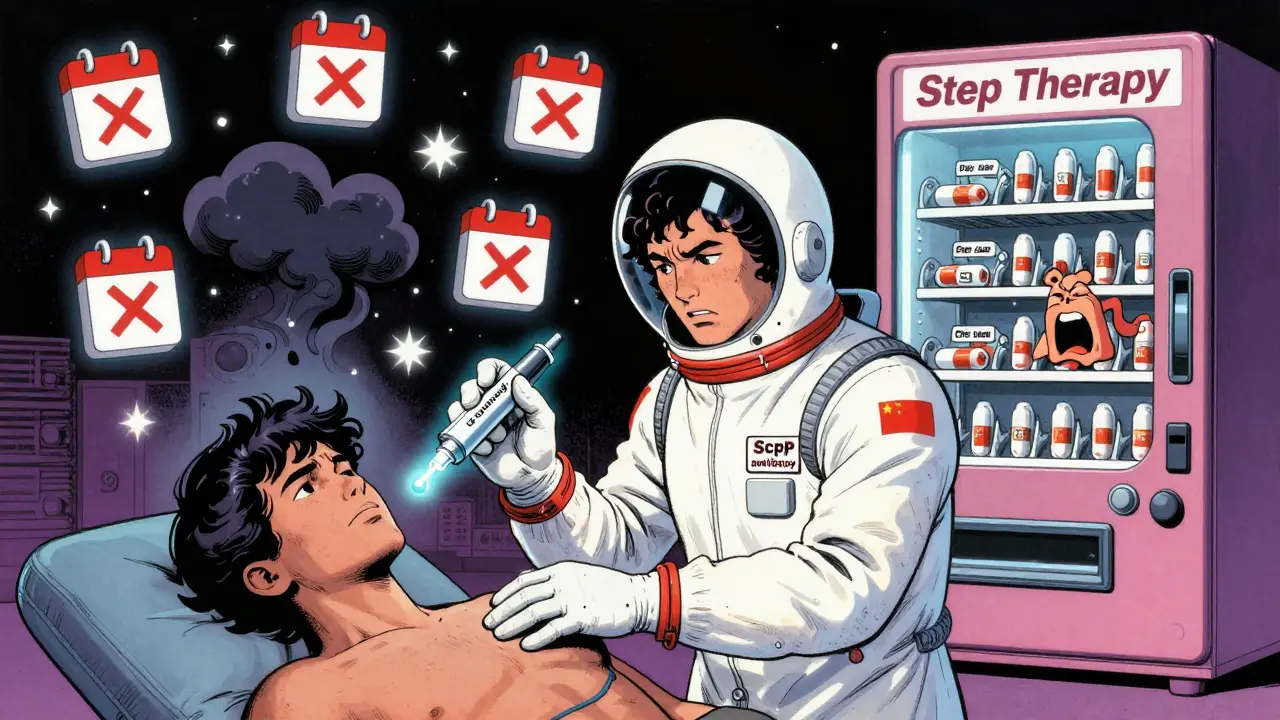
The best medication in the world doesn’t help if you can’t afford it. Rimegepant (Nurtec ODT) costs about $900 for six tablets without insurance. Ubrogepant (Ubrelvy) is similar. Many people pay out of pocket - or wait months for insurance approval. Even with coverage, 72% of insurers require you to try older, cheaper drugs first. That’s called step therapy. It delays care - and sometimes lets migraines get worse.And then there’s the knowledge gap. A 2022 survey found that 41% of migraine sufferers didn’t know they could prevent migraines with daily medication. Many think they just have to live with it. Or worse, they think their doctor won’t take them seriously.
What to Do Next
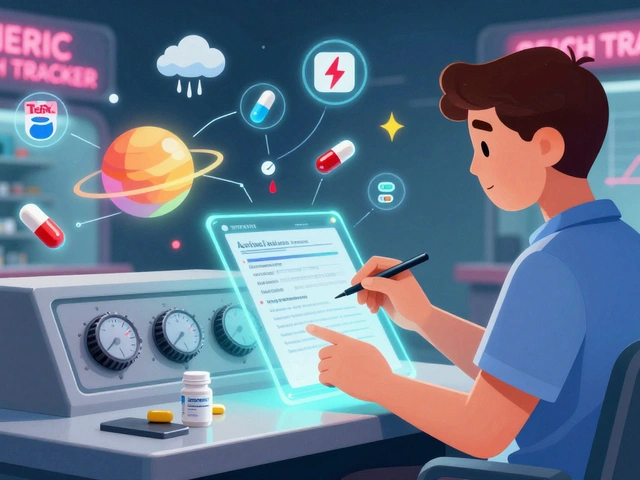
Start tracking. Keep a headache diary for at least eight weeks. Note the date, time, triggers (stress, weather, food, sleep), symptoms, and what you took. This isn’t busywork. It’s your roadmap. Doctors use this to pick the right treatment.If you’re having 4+ migraines a month, talk to a neurologist or headache specialist - not just your primary care provider. They know the latest guidelines, the newest drugs, and how to navigate insurance hurdles.
Don’t wait for a migraine to be unbearable before acting. Early intervention is the biggest predictor of success. Keep your abortive meds handy. Set alarms if you need to. Use nasal sprays or injections if swallowing pills is hard.
And if you’re on a preventive - don’t skip doses. These meds take weeks to work. You might not feel better right away. But over time, the number of bad days will drop. And that’s worth it.
What’s Coming Next
The pipeline is full. Atogepant (Qulipta), already approved for prevention, is being studied for episodic migraine. New 5-HT1F agonists are in early trials. And researchers are starting to look at genetic markers to match patients with the best drug - not just trial and error.The future of migraine care isn’t just better pills. It’s smarter, faster, more personalized treatment. But for now, the tools we have - if used right - can change your life.



Susan Kwan
February 10, 2026 AT 15:33I've been on rizatriptan for 3 years. It works like magic if I take it the second I feel that weird aura. Wait even 20 minutes? Good luck. I keep a bottle in my purse, my car, my desk drawer. Migraine doesn't care if you're in a meeting or on a date. Be ready.
Chelsea Cook
February 10, 2026 AT 23:19CGRP monoclonal antibodies? Yes. Please. My insurance made me try 7 different pills before they'd even *consider* the injection. Seven. I had to miss work 14 times last year. Now I'm down to 2. They didn't fix me. But they gave me my life back. Also, if your doctor says 'just take Advil' - walk out. You deserve better.
Jacob den Hollander
February 12, 2026 AT 08:42I just want to say, I'm so glad this post exists. I'm a guy with chronic migraines, and honestly, I felt kinda alone in it. People think it's just 'bad headaches.' But it's not. It's like your brain's on fire and your whole body is screaming. I use ubrogepant and a cold pack on my neck. It's not glamorous, but it works. Also, sleep hygiene changed everything. No more midnight scrolling. I know, I know. But it's true.
Andrew Jackson
February 12, 2026 AT 13:18It is a matter of profound regret that modern medicine has abandoned the virtues of discipline and stoicism in favor of pharmaceutical dependency. In my youth, we endured pain. We did not reach for a pill at the first twinge. The American obsession with chemical solutions is not healing-it is eroding the very fabric of resilience. A man should not need a $900 nasal spray to live. He should learn to bear. This is not medicine. This is surrender.
Joshua Smith
February 13, 2026 AT 12:24I’ve been using Excedrin Migraine for years. Never thought about the caffeine helping until I read this. Makes sense. I also started using a weighted eye mask. Not sure if it’s placebo, but I swear it cuts the nausea. And I track everything in a Notes app. I’m not a neurologist, but I feel like I’ve become a migraine expert by accident.
Jessica Klaar
February 14, 2026 AT 00:27I had a migraine for 9 days last winter. No one believed me. My boss thought I was faking. I got a note from my neurologist. It said: 'Patient experiences chronic migraine with prolonged aura. Medical necessity for abortive and preventive therapy confirmed.' I printed it. Laminated it. I keep it in my wallet. People don’t understand what invisible pain looks like. Until they’ve lived it. Then they get it.
PAUL MCQUEEN
February 14, 2026 AT 02:49I read this whole thing. Honestly? Most of this is just repackaged stuff from 2015. The 'new' CGRP drugs? They’re just triptans with a fancy name and a higher price tag. I’ve been on the same generic topiramate since 2012. It works. Why do we need all this hype? Also, why are we all so obsessed with 'personalized medicine'? It’s just a buzzword. We’ve had headache diaries since the 1800s.
glenn mendoza
February 15, 2026 AT 22:23The scientific advancement in migraine therapeutics over the past decade represents one of the most significant breakthroughs in neurology. The transition from symptomatic palliation to targeted pathophysiological modulation-particularly through CGRP inhibition-is a paradigm shift of monumental proportion. I commend the author for presenting a comprehensive, evidence-based overview. This is precisely the kind of clarity that empowers patients and clinicians alike. The future is indeed promising.
Kathryn Lenn
February 16, 2026 AT 01:19You know what they don’t tell you? The pharmaceutical companies paid off the neurologists to push these expensive drugs. The real cure is in the dark, quiet room. And the fact that they’re now pushing nasal sprays? That’s not innovation. That’s a way to make you buy a new device every time. They want you dependent. And the insurance step therapy? That’s just a way to make you suffer longer so you’ll pay out of pocket. I’ve seen it. It’s all a racket.