
When you take more than one medication, your body doesn’t always treat them like separate guests—it sees them as guests who might fight over the same space. This is what we call a drug interaction, a change in how a drug works when combined with another drug, food, or supplement. Also known as medication conflict, it’s not just about side effects—it’s about your body’s chemistry getting mixed up in ways that can make drugs stronger, weaker, or even dangerous.
There are two main types you should know. The first is pharmacokinetic interactions, how one drug changes how your body absorbs, breaks down, or gets rid of another. Think of it like traffic on a highway: one drug might block the exit ramp where another drug is supposed to leave your system, causing it to build up to toxic levels. The second is pharmacodynamic interactions, when two drugs act on the same part of your body and either boost or cancel each other out. For example, mixing two drugs that both lower blood pressure can drop it too far. These aren’t rare accidents—they happen every day, often because people don’t realize their daily vitamins, OTC painkillers, or even grapefruit juice can trigger them.
Some of the most common culprits? Diuretics that dry you out too much when paired with other meds, antihistamines that make restless legs worse, or blood pressure drugs like azilsartan that can react badly with certain foods. Even something as simple as taking a generic version of a drug you’ve used before can change how your body responds if the formulation is slightly different. And it’s not just pills—supplements like St. John’s wort or high-dose vitamin K can quietly mess with how your heart or blood thinner works. The good news? Most of these interactions are preventable if you know what to look for.
You don’t need to memorize every possible combo. But you should know your own list: what you take, why you take it, and whether it’s a brand or generic. Check your label for timing instructions—some drugs need to be taken on an empty stomach, others with food. Use tools like the FDALabel database to dig into official safety info, and never assume a natural supplement is safe just because it’s labeled "herbal." Your pharmacist isn’t just there to hand out pills—they’re trained to spot conflicts before they happen.
Below, you’ll find real-world guides that break down exactly how these interactions work, which combinations are riskiest, and what to do if you think something’s off. From how diuretics affect kidney health in seniors to why sedating antihistamines can worsen nerve pain, these posts aren’t theory—they’re what people actually experience. You’ll learn how to spot the signs, ask the right questions, and protect yourself without overcomplicating your routine.
 19 March 2026
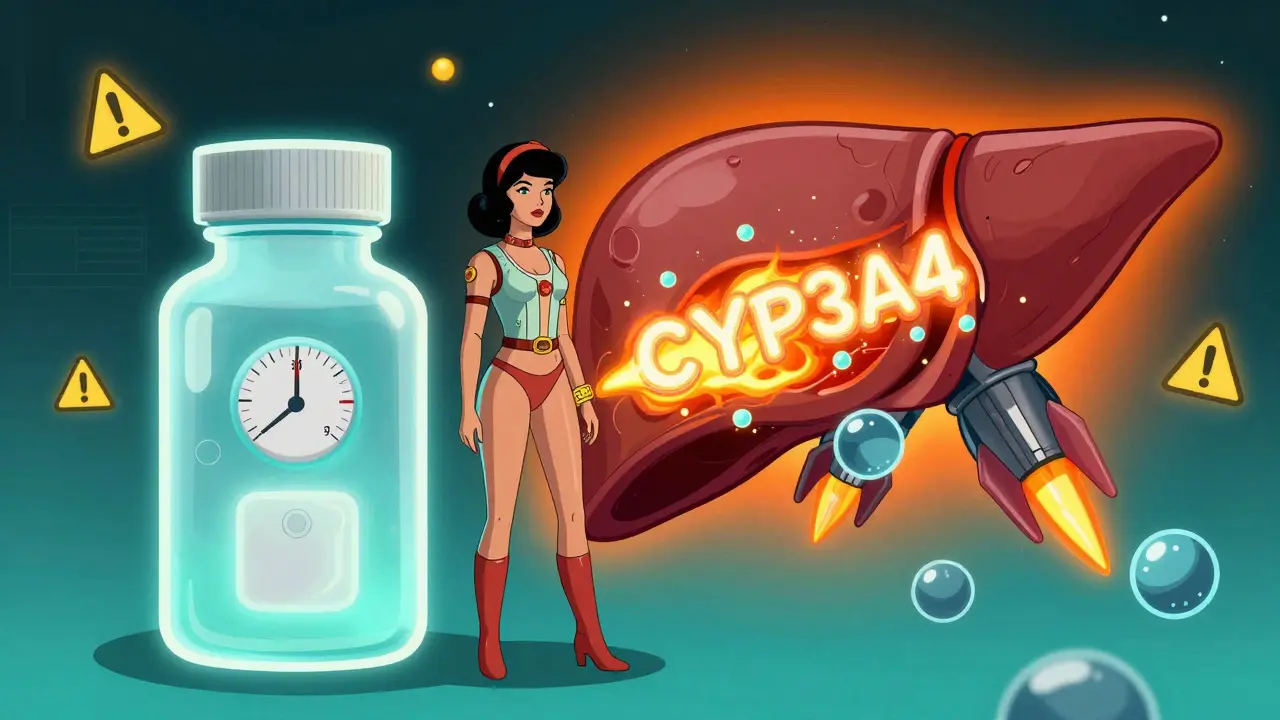
Rifampin can cause hormonal birth control to fail by speeding up hormone breakdown in the liver. This interaction is well-documented, with studies showing up to 83% lower progestin levels. Use backup contraception during and after rifampin treatment.
 27 November 2025
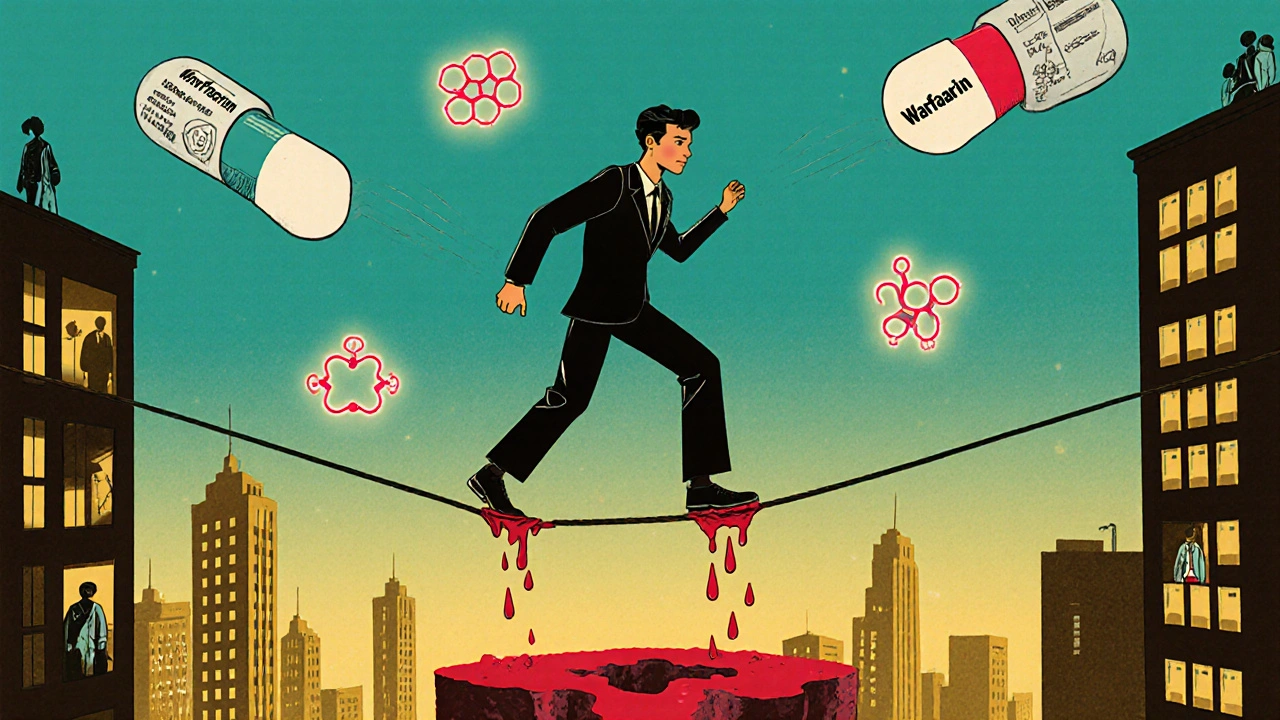
Combining SSRIs with anticoagulants increases bleeding risk by 33%, especially in the first month. Learn why, where it happens, and how to stay safe.

©2026 rxmedicin.su. All rights reserved
8