
When you're managing blood sugar control, the process of keeping glucose levels within a healthy range to prevent complications like nerve damage, kidney disease, or heart problems. Also known as glucose management, it’s not just about taking pills—it’s about understanding how your body responds to food, movement, stress, and medicine. Many people think it’s just about avoiding sugar, but the real challenge is balancing multiple factors that affect your levels every single day.
Insulin therapy, a treatment that replaces or supplements the body’s natural insulin to help cells absorb glucose is one of the most direct tools for blood sugar control, especially for type 1 diabetes. But even for type 2, medications like metformin, GLP-1 agonists, or SGLT2 inhibitors play a major role—each working differently to lower glucose or improve how your body uses it. Then there’s glucose monitoring, the practice of checking blood sugar levels regularly using fingerstick tests or continuous sensors. This isn’t optional—it’s how you know if your treatment plan is actually working. Skipping checks means flying blind, and that’s when dangerous highs or lows sneak up on you.
What most people don’t realize is that medication adherence, taking the right dose at the right time, every time is often the biggest hurdle. A study from the CDC found that nearly half of people with diabetes don’t take their meds as prescribed, and it’s not because they forget—it’s because of cost, side effects, or confusion over complex regimens. That’s why tools like medication journals and pharmacy records matter. Switching between generic brands can change how your body reacts, especially with thyroid meds or blood thinners, and the same can be true for diabetes drugs. Even small differences in fillers or release mechanisms can throw off your control.
And it’s not just about drugs. What you eat, how much you move, how well you sleep, and even how stressed you are all send signals to your body that change your glucose levels. A high-carb meal might spike your numbers, but so can lack of sleep or a stressful workday. That’s why successful blood sugar control isn’t a one-size-fits-all plan. It’s a daily balancing act, and the people who do it best are the ones who track, adjust, and ask questions—whether it’s why their new generic pill makes them feel different, or whether their insurance will cover the next test strip.
Below, you’ll find real-world guides on how to manage your meds across pharmacies, track side effects from generics, avoid dangerous interactions, and understand how insurance denials can impact your treatment. These aren’t theory pieces—they’re tools used by people who’ve been there. Whether you’re newly diagnosed or have been managing this for years, the information here is meant to help you take back control—one smart decision at a time.
 8 December 2025
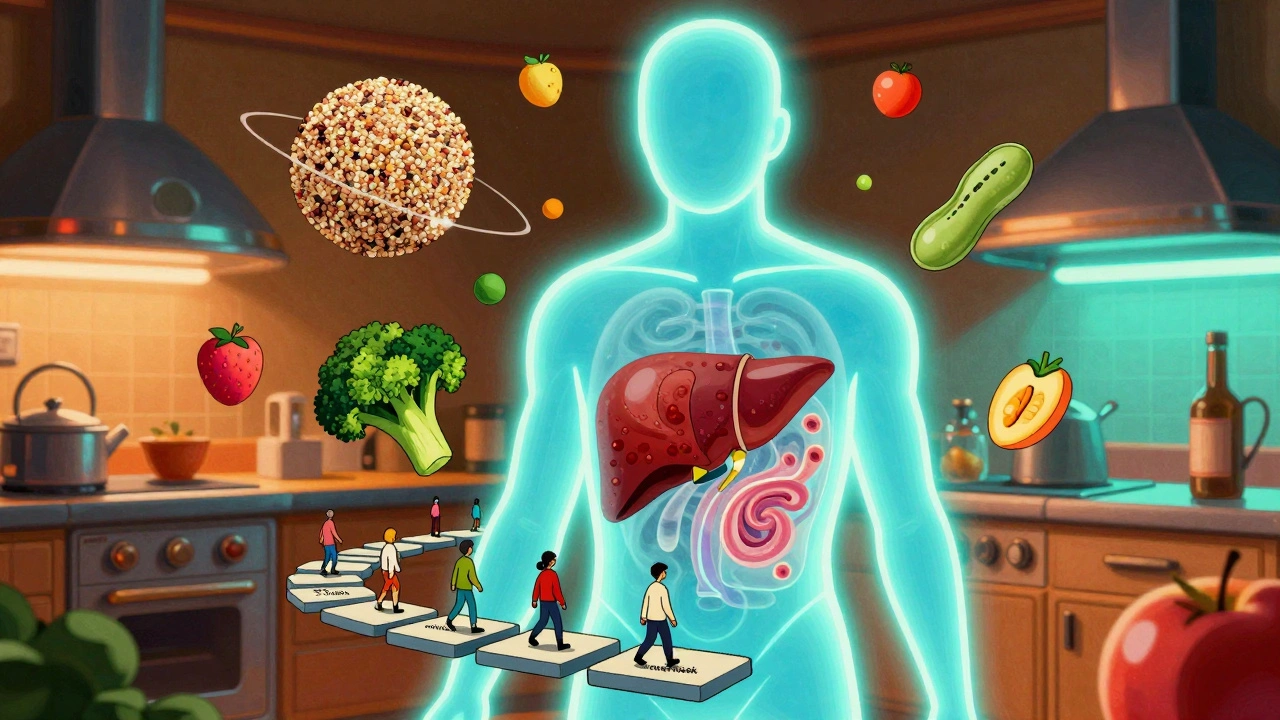
Prediabetes can be reversed with simple, science-backed lifestyle changes-no pills needed. Learn how diet, movement, sleep, and support can lower your blood sugar and prevent type 2 diabetes.


©2026 rxmedicin.su. All rights reserved
17