
When you hear biosimilars, highly similar versions of complex biologic drugs approved after the original patent expires. Also known as biologic generics, they aren’t copies like traditional pills—they’re made from living cells and must match the original in structure, function, and safety. Unlike regular generics, which are chemically identical to their brand names, biosimilars are nearly identical but can have tiny, harmless differences because they come from living organisms, not labs. This is why they’re called similar, not the same.
Biosimilars work the same way as their brand-name counterparts—whether it’s treating rheumatoid arthritis, cancer, or Crohn’s disease—but they cost 15% to 35% less. That’s not just savings for patients; it’s a game-changer for insurance systems and public health. The FDA approves them only after years of testing to prove they don’t cause more side effects or reduce effectiveness. In fact, studies show patients switching from brand biologics to biosimilars see the same results, with no drop in quality of life. This isn’t theory—it’s real-world data from over 15 countries where biosimilars have been used for more than a decade.
They’re not just about price. Biosimilars also help make treatments more accessible. Many people skip biologic drugs because they’re too expensive—sometimes over $20,000 a year. With biosimilars, that number can drop to $10,000 or less. And because they’re approved under strict guidelines, doctors can trust them just as much as the original. You’ll find biosimilars used for everything from insulin to TNF blockers, and more are coming every year. If your doctor suggests one, ask why—it’s not a downgrade, it’s a smarter choice.
Some people worry biosimilars are "second-rate." That’s not true. They go through more testing than regular generics. The FDA requires detailed comparisons of how they bind to cells, how long they last in the body, and how they affect immune responses. Even small differences are tracked. If a biosimilar causes an unexpected reaction, it’s reported just like any other drug. That’s why you’ll see posts here about reporting rare side effects from generics, how insurance denies coverage for brand drugs, and why switching to lower-cost options doesn’t mean losing effectiveness.
What you’ll find below are real stories and guides that connect directly to biosimilars: how to fight insurance denials for cheaper drugs, why generic combinations save money without cutting corners, and how to read labels to make sure you’re getting the right treatment. These aren’t abstract ideas—they’re tools you can use today to take control of your care, your costs, and your health.
 27 December 2025
Specialty medications can cost over $1,000 a month, but there are proven ways to reduce those costs-like switching to biosimilars, using preferred pharmacies, and moving injections to lower-cost settings. Learn how to save thousands without sacrificing care.
 20 November 2025
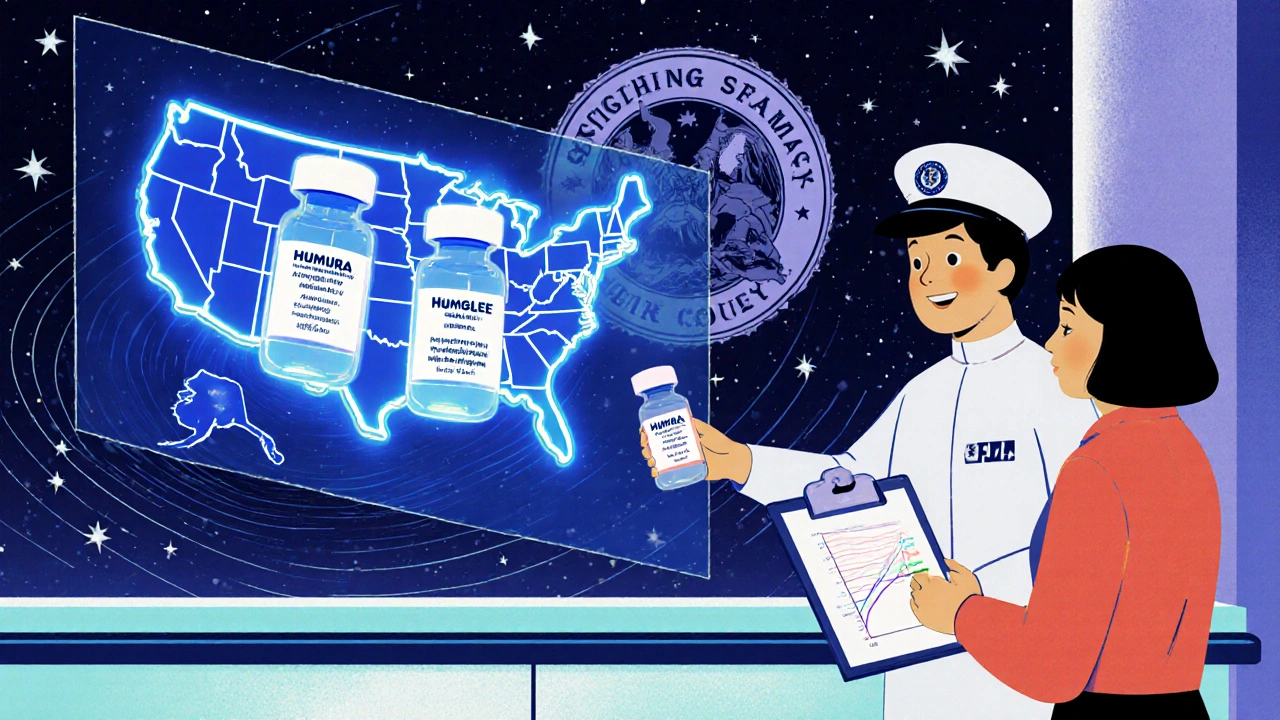
Learn when and how biosimilars can be automatically substituted for biologic drugs in the U.S., including FDA rules, state laws, patient risks, and cost savings. Understand the difference between interchangeable and regular biosimilars.



©2026 rxmedicin.su. All rights reserved
15