
When Your Knee Gives Out: Meniscus vs. ACL Injuries
You’re playing soccer, change direction fast, and hear a pop. Your knee swells up within hours. You can’t straighten it fully. Or maybe you stepped wrong on the trail and your knee locked up-like something got stuck inside. These aren’t just bad luck. They’re two of the most common knee injuries in active people: meniscus tears and ACL injuries. Both cause pain, swelling, and fear that you’ll never play again. But they’re not the same. And how you treat them changes everything.
What Exactly Is Damaged?
Your knee has two key shock absorbers: the meniscus and the ACL. They look nothing alike and do totally different jobs.
The meniscus is two C-shaped pieces of tough cartilage-medial on the inside, lateral on the outside. Think of them as rubber gaskets between your thigh bone and shin bone. They absorb impact, spread pressure evenly, and help your knee move smoothly. About 70% of their structure is collagen, and they’re mostly water. But here’s the catch: the outer third has blood flow (the "red-red" zone), so it can heal. The inner two-thirds? No blood. That’s the "white-white" zone. Tears there rarely fix themselves.
The ACL is a strong, fibrous ligament that runs diagonally through the center of your knee. It’s about 32mm long and stops your shin from sliding too far forward. It also controls twisting motions. Without it, your knee feels unstable-like it might buckle when you pivot. It’s incredibly strong, able to handle over 2,100 newtons of force. But when it snaps, you know it.
How Do You Know Which One You Broke?
The symptoms are different enough to tell them apart-mostly.
ACL tears usually happen without contact. You plant your foot, twist, and suddenly your knee gives way. About 90% of people hear a loud pop. Swelling hits fast-within two hours in 85% of cases. You can’t fully straighten your leg. The knee feels loose. A doctor can test for this with the "pivot shift" maneuver-it’s 94% accurate.
Meniscus tears? Often more subtle. You might not even feel the tear happen. Maybe you twisted your knee while squatting or kneeling. The swelling comes slower-6 to 24 hours later. The big clue? Mechanical symptoms. Your knee catches. Locks. Clicks. Feels like something’s jammed. You’ll feel sharp pain right along the joint line. Press there? It hurts. That’s a classic sign.
Here’s the reality: many people have both injuries at once. Up to 50% of ACL tears come with a meniscus tear. That’s why getting an MRI is critical. X-rays won’t show cartilage damage.
Surgery: When Is It Really Necessary?
Not every tear needs surgery. And pushing for it too soon can hurt more than help.
For ACL injuries, the rule is simple: if you’re under 40 and want to play sports that involve cutting, jumping, or pivoting-soccer, basketball, skiing, even tennis-surgery is almost always recommended. Studies show 95% of active people under 40 who skip surgery end up with ongoing instability, more damage to the meniscus, and early arthritis. Reconstruction isn’t optional. It’s about protecting the rest of your knee.
Meniscus tears? Totally different. Only 30-40% of meniscus tears need surgery. The rest can be managed with physical therapy. Why? Because removing part of the meniscus increases your risk of arthritis. Every 10% of meniscus removed raises your arthritis risk by 14%. That’s not small. Surgeons now try to repair, not remove. But repair only works if the tear is in the red-red zone-the part with blood supply. If it’s in the white-white zone? Repair fails most of the time. You’re better off trimming the loose flap (meniscectomy) than trying to stitch it.
Timing matters. If you wait more than three months to treat a meniscus tear, your chances of repair drop by 60%. The tissue degenerates. What could’ve been fixed becomes something that needs to be cut out.
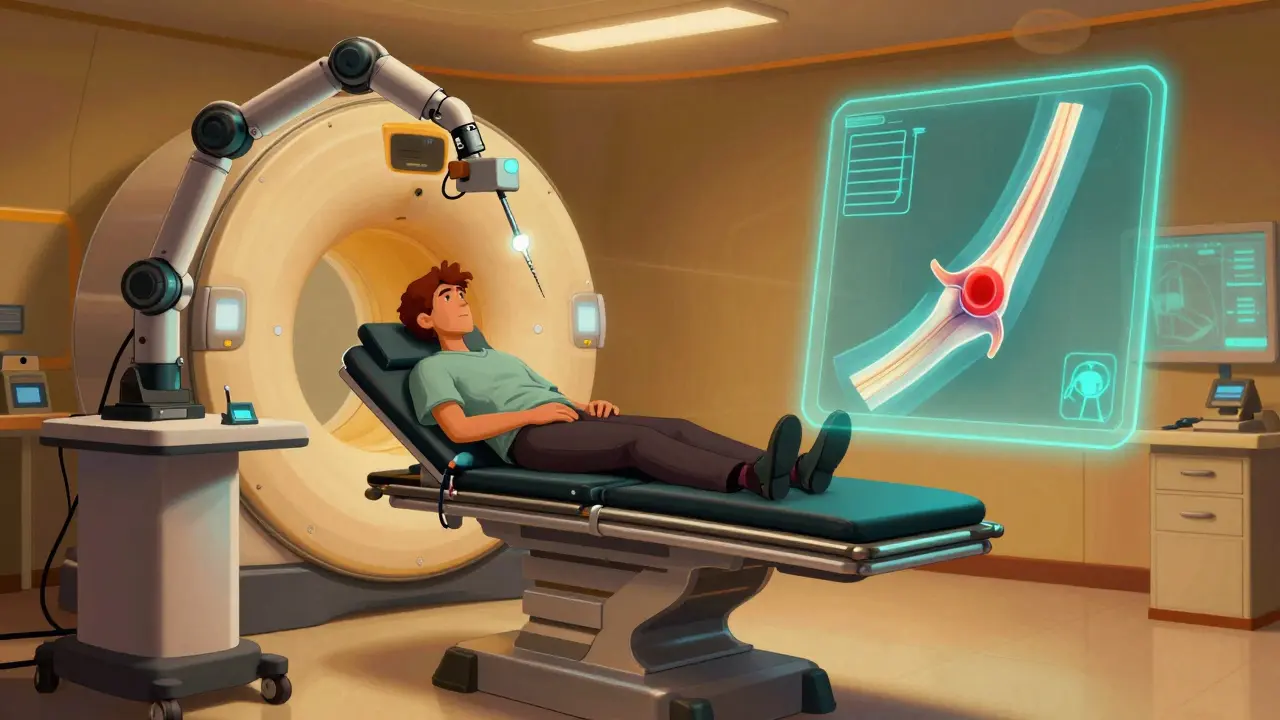
Choosing the Right Surgery
If surgery is on the table, you have options.
For ACL reconstruction, you can use your own tissue (autograft) or donor tissue (allograft). Autografts-usually from your hamstring or patellar tendon-are the gold standard for young athletes. Hamstring grafts have 7.7% re-tear rate. Allografts? 22.2%. That’s a huge difference. But allografts mean less pain right after surgery. If you’re over 40 and not playing competitive sports, allografts can be fine. But if you’re 18 and aiming for college soccer? Stick with your own tissue.
For meniscus repair, the technique matters. All-inside repairs use tiny anchors and sutures. Inside-out requires small incisions and stitches from the outside. Both work, but all-inside is less invasive. Success? 89% for tears in the red-red zone. But only 43% for tears in the red-white zone. And if you get a repair? You can’t put full weight on your leg for six weeks. You’ll be in a brace. You’ll miss months of activity. Meniscectomy? You’re walking the next day. Back to work in 2-4 weeks. But you’re trading short-term ease for long-term risk.
Recovery: What to Expect
Rehab isn’t optional. It’s the real surgery.
ACL recovery takes 9 months. No shortcuts. Studies show returning before 9 months increases re-tear risk by 5x. You need to hit targets: 90% strength in your quads, perfect balance on one leg, full range of motion. Many people think they’re done at 6 months. They’re not. The graft takes 9-12 months to fully remodel into a ligament. Rush it, and you’re risking another injury.
Meniscus repair recovery is slower than meniscectomy but faster than ACL. You’ll be on crutches for 4-6 weeks. No deep squats. No twisting. You’ll work on range of motion slowly. Return to sports? 4-6 months. Meniscectomy? You can jog in 4-6 weeks. But don’t be fooled. Even after a simple trim, 42% of people still have pain or limit activities at 6 months.
Prehab helps. If you do 6 weeks of quad strengthening before ACL surgery, you cut post-op weakness by more than half. Start now-even if you’re waiting for surgery.
The Hidden Cost: Arthritis
Here’s what no one tells you: both injuries lead to arthritis.
After an ACL tear, 20-30% of people develop osteoarthritis within 10 years-even after perfect surgery. Why? The joint changes. The cartilage wears unevenly. The ACL doesn’t just stabilize-it helps your brain sense where your knee is. Lose that, and your movement patterns change forever.
Meniscectomy? Even worse. Remove 10% of your meniscus? Your arthritis risk goes up 14%. Remove 50%? You’re looking at a 70% higher chance of needing a knee replacement in 15 years. That’s why doctors now say: preserve the meniscus at all costs. Repair if you can. Even if it takes longer. Even if it’s harder.
What About Non-Surgical Options?
Conservative care works-for the right person.
For ACL injuries in older adults (over 40), non-surgical rehab is now common. 35% of ACL tears in this group are managed without surgery, up from 25% just five years ago. Physical therapy focuses on strengthening the hamstrings and quads, improving balance, and retraining movement patterns. Many people return to walking, cycling, swimming-even golf-with no pain.
For meniscus tears, especially in people over 50, physical therapy is the first line. Studies show it’s just as effective as surgery for degenerative tears. If your pain improves with exercise and you don’t have locking or catching? Surgery isn’t needed.
But if you’re young, active, and your knee locks? Don’t wait. Delaying repair means losing the chance to save the meniscus.
What’s New in Treatment?
The field is changing fast.
Meniscus allografts-using donor cartilage-are helping people who’ve lost too much meniscus. Success rates are 85% at 5 years. Platelet-rich plasma (PRP) injections during repair are showing 25% higher healing rates in borderline tears. And there’s emerging research on biologic scaffolds that might help regenerate tissue.
For ACL, we’re learning that returning to sport at 8 months instead of 9 increases re-injury risk by 18%. So stick to the timeline. No exceptions.
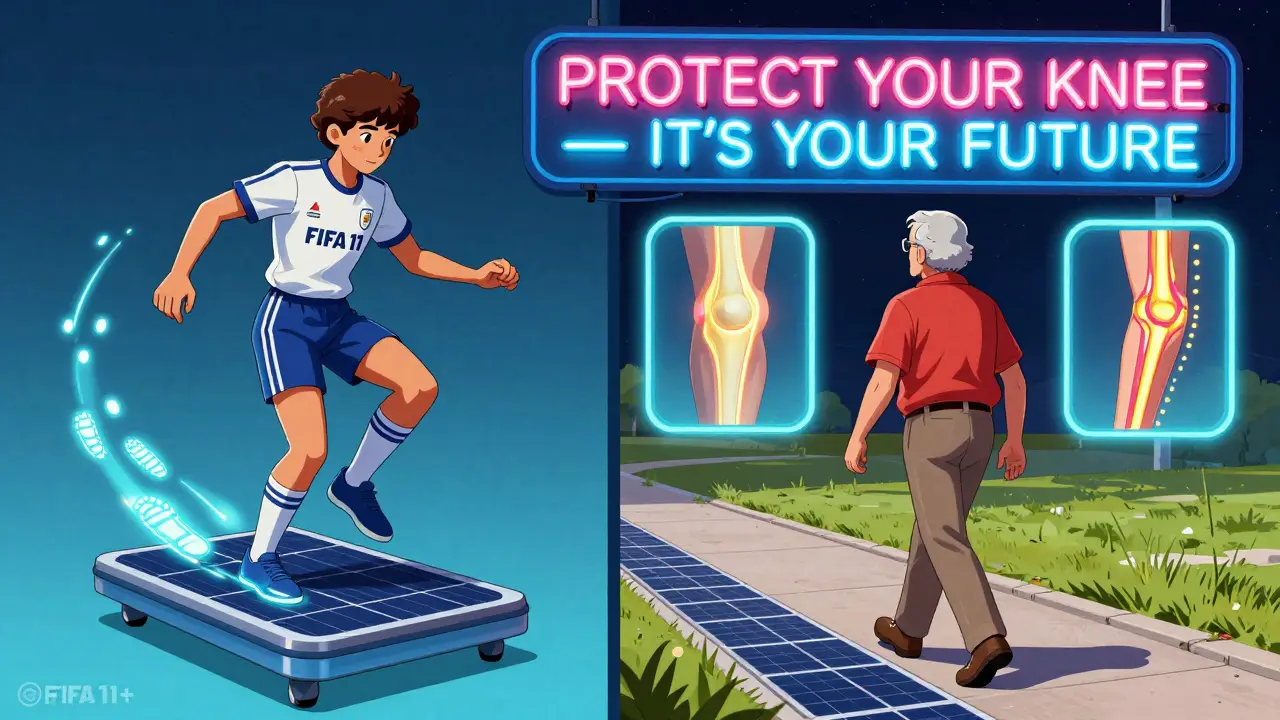
The biggest shift? Prevention. Programs like FIFA 11+ have cut ACL injuries in young athletes by half. It’s simple: dynamic warm-ups, balance drills, landing technique. It’s not magic. It’s muscle memory.
Final Advice: What to Do Next
If you’ve injured your knee:
- Get an MRI. Don’t rely on X-rays or a physical exam alone.
- Don’t rush to surgery. Talk to a sports medicine specialist-not just any orthopedic surgeon.
- If you’re under 40 and active: ACL reconstruction is likely needed. Choose an autograft.
- If you have a meniscus tear: ask if it’s repairable. Push for a repair if it’s in the red zone and you’re young.
- Start physical therapy now-even before surgery.
- Don’t ignore long-term arthritis risk. Protect your knee like your future depends on it. Because it does.
Your knee doesn’t heal the same way it used to. But with the right choices, you can still move well-for life.
Can a meniscus tear heal without surgery?
Yes, but only if the tear is small, degenerative, and doesn’t cause mechanical symptoms like locking or catching. Tears in the outer third (red-red zone) have a good chance of healing with rest and physical therapy. Tears in the inner two-thirds (white-white zone) rarely heal on their own. About 60-70% of meniscus tears are managed without surgery, especially in people over 50 or those who aren’t highly active.
How long does ACL recovery take?
Full recovery from ACL reconstruction takes 9-12 months. You’ll be walking without crutches in 2-4 weeks, but returning to sports like soccer or basketball requires 9 months minimum. This is because the graft needs time to become a living ligament. Returning too early-before 9 months-increases the risk of re-tearing by 5 times. Strength, balance, and movement control must all reach 90% or more of your uninjured side before you return.
Is an allograft a good choice for ACL reconstruction?
Allografts (donor tissue) are an option, but they’re not ideal for young, active people. Studies show allografts have more than double the re-tear rate compared to autografts (22.2% vs. 7.7%) in patients under 25. They’re sometimes used in older patients or those with low activity demands because they cause less initial pain and faster early recovery. But long-term, autografts-especially hamstring or patellar tendon-are more reliable for athletes.
Why is meniscus repair better than removal?
Removing part of the meniscus increases your risk of osteoarthritis by 14% for every 10% of tissue removed. The meniscus acts as a shock absorber. Without it, pressure concentrates on the joint cartilage, wearing it down faster. Repairing the meniscus preserves this function. While recovery is longer, the long-term benefit is clear: you’re protecting your knee from early joint replacement. Repair is recommended whenever possible, especially in younger patients.
Can you prevent ACL and meniscus injuries?
Yes, significantly. Programs like FIFA 11+ have reduced ACL injuries by up to 50% in athletes. These programs focus on strengthening the hamstrings and glutes, improving landing mechanics, and practicing controlled pivoting. Balance drills and neuromuscular training are key. Prevention works best when started early-before high-risk sports begin. It’s not about being stronger. It’s about moving smarter.






Kathy Scaman
January 27, 2026 AT 17:06I tore my meniscus skiing last winter and just did PT. No surgery. 8 months later, I’m back on the slopes and my knee feels better than ever. Seriously, don’t rush to the OR unless you’re locking up or can’t walk. 💪😎
Timothy Davis
January 29, 2026 AT 00:55Let me break this down for you. The 14% increased arthritis risk per 10% meniscectomy? That’s from a 2017 meta-analysis with a 95% CI of 11.2–16.8%. Also, the 9-month ACL return timeline? Based on a 2020 JAMA study with n=1,200 athletes. If you’re not citing sources, you’re just posting memes.
Sue Latham
January 29, 2026 AT 02:37Honestly? If you’re over 30 and still playing soccer like you’re 18, you’re asking for trouble. My cousin had ACL surgery, then went back to weekend league. Now he’s got a knee brace and a $20k medical bill. Priorities, people.
Bryan Fracchia
January 30, 2026 AT 11:01I love how this post doesn’t just give you facts-it gives you permission to be patient. So many of us are taught to ‘fix it fast,’ but knees aren’t iPhones. You can’t just swap the part and call it a day. Taking the slow road isn’t weakness. It’s wisdom.
fiona vaz
February 1, 2026 AT 10:28Prehab is underrated. Did 6 weeks of quad and hip work before my ACL surgery. Post-op, my PT said I was the strongest patient she’d seen in months. It made a real difference. Start early, even if you’re waiting.
Anna Lou Chen
February 3, 2026 AT 03:47The real tragedy here isn’t the meniscus-it’s the neoliberal medical-industrial complex that incentivizes surgical intervention over holistic rehab. We’ve pathologized aging knees and commodified pain. The body isn’t a machine to be repaired-it’s a phenomenological experience. You can’t algorithmize resilience.
Mark Alan
February 3, 2026 AT 10:42I don’t care what the studies say. If you’re not gonna go all-in and get your ACL reconstructed with a hamstring autograft, you’re just delaying the inevitable. I got mine at 19. Now I’m 32 and still running. If you’re scared of pain, don’t play sports. 🇺🇸🔥
Lance Long
February 3, 2026 AT 17:59Listen, I’ve coached 100+ athletes through knee injuries. The ones who win? They don’t just do PT. They *live* it. Ice baths at 5 AM. Foam rolling before bed. Watching film of their gait. They treat rehab like it’s the season opener-not a side hustle. If you’re not all in, you’re already losing.
John Rose
February 4, 2026 AT 06:54I’m curious-has there been any longitudinal data comparing long-term function between patients who had meniscus repair vs. meniscectomy in the 40-55 age group? The article mentions arthritis risk but doesn’t cite quality-of-life metrics.
Amber Daugs
February 4, 2026 AT 08:19You people are so naive. If you’re not getting surgery for an ACL tear before you turn 25, you’re basically signing up for a knee replacement by 40. And if you think PT will fix a degenerative meniscus tear? That’s like thinking yoga will fix a broken leg. Wake up.