
Key Takeaways
- Blood Pressure Medications are categorized into six main classes, each working through different physiological mechanisms to lower risk.
- ACE inhibitors and ARBs are often preferred for kidney protection, while calcium channel blockers suit older adults with isolated systolic hypertension.
- Side effects like dry cough (ACE inhibitors) or ankle swelling (calcium channel blockers) are common but manageable by switching classes.
- Combination therapy in single pills improves adherence, with 47% of patients using two or more medications.
- Intensive control targeting systolic BP below 120 mmHg reduces cardiovascular events significantly in high-risk patients.
Understanding the Silent Risk
High blood pressure is often called the silent killer because it rarely shows symptoms until damage is done. Approximately 108 million American adults live with hypertension as of 2023, making it one of the most common health conditions globally. Without treatment, this pressure damages arteries, the heart, kidneys, and eyes over time. The goal isn't just to lower a number on a monitor but to prevent heart attacks, strokes, and kidney failure. The SPRINT trial in 2015 showed that intensive control, aiming for a systolic blood pressure under 120 mmHg, reduced cardiovascular events by 25% compared to standard targets. This data shifted how doctors approach treatment, moving away from a one-size-fits-all model to personalized therapy.
Doctors prescribe Antihypertensive Drugs is a class of pharmaceutical agents designed to reduce elevated blood pressure through various physiological mechanisms. These aren't just random pills; they target specific systems in your body. Some relax blood vessels, others reduce fluid volume, and some slow the heart rate. Choosing the right one depends on your age, race, other health conditions, and how your body reacts to the medication. Understanding these options helps you ask better questions during your next doctor's visit.
Diuretics: The Water Pills
Diuretics are often the first line of defense. They work by helping your kidneys remove sodium and water from your body, which reduces the volume of fluid in your blood vessels. Less fluid means lower pressure. The most common types are thiazide diuretics like Hydrochlorothiazide is a thiazide diuretic typically prescribed at 12.5-50 mg daily to reduce blood volume. and Chlorthalidone. While Hydrochlorothiazide is widely used, newer evidence suggests Chlorthalidone might be superior. A 2020 trial showed Chlorthalidone reduced cardiovascular events by 21% compared to Hydrochlorothiazide. This is because Chlorthalidone lasts longer in the body, providing 24-hour coverage.
Patients often report frequent urination as a primary side effect, with 42% of reviews on Drugs.com mentioning it. Electrolyte imbalance is another concern, specifically low potassium levels. Because of this, doctors usually check your blood work every 3-6 months to monitor sodium and potassium levels. If you have diabetes, your doctor might choose a potassium-sparing diuretic to avoid complications. Despite the side effects, these remain a cornerstone of treatment because they are cheap and effective for many people.

ACE Inhibitors and the Dry Cough
ACE inhibitors block the angiotensin-converting enzyme, which prevents the body from producing a chemical that narrows blood vessels. You can usually identify these drugs because their names end in '-il', such as Lisinopril is an ACE inhibitor taken at 10-40 mg daily that blocks angiotensin-converting enzyme. or Enalapril. They are particularly beneficial for patients with chronic kidney disease or diabetes because they protect kidney function beyond just lowering pressure.
However, there is a well-known downside. About 15-20% of patients stop taking ACE inhibitors because of a persistent dry cough. This happens because the drug causes a buildup of a substance called bradykinin in the lungs. On Drugs.com, 29% of users reported this cough as a primary side effect. One user on Reddit described switching from Lisinopril to Losartan after eight months of coughing that kept them awake at night. The cough usually goes away within 72 hours of switching to a different class. If you start coughing after beginning these meds, don't ignore it; talk to your doctor about switching.
ARBs: The Alternative
If the cough from ACE inhibitors is too much, Angiotensin II Receptor Blockers (ARBs) are the go-to alternative. They work similarly by blocking the action of angiotensin II, but they do it at the receptor level rather than stopping the enzyme. Their names end in '-sartan', like Losartan is an ARB medication taken at 25-100 mg daily that blocks angiotensin II receptors directly. or Valsartan. Because they don't increase bradykinin, they rarely cause that dry cough. The LIFE study in 2002 showed Losartan reduced cardiovascular morbidity by 13% compared to Atenolol in patients with thickened heart muscle.
ARBs are generally well-tolerated, though they still require monitoring for kidney function and potassium levels. They are often preferred for patients who cannot tolerate ACE inhibitors. Some experts argue they should be the first choice for everyone, but guidelines still favor ACE inhibitors for initial therapy in many cases due to cost and long-term data. In 2023, ARBs held about 22.1% of the global antihypertensive market share, showing their popularity among doctors and patients alike.
Calcium Channel Blockers
Calcium Channel Blockers (CCBs) stop calcium from entering the muscle cells of your heart and blood vessels. This causes the vessels to relax and widen. There are two main types. Dihydropyridines, like Amlodipine is a dihydropyridine calcium channel blocker taken at 2.5-10 mg daily affecting vascular smooth muscle., primarily affect the blood vessels. Non-dihydropyridines, like Diltiazem, affect both the vessels and the heart's electrical system. Amlodipine is one of the most prescribed drugs, used by 18.7% of hypertension patients in a 2021 study.
The main side effect here is ankle swelling, reported by 39% of users. This happens because the drug dilates the small veins in the legs, causing fluid to leak into the tissue. It can be uncomfortable but isn't dangerous. Another issue is interaction with grapefruit juice, which can increase drug levels by up to 300% for certain types. These are often the preferred choice for older adults with isolated systolic hypertension, where the top number is high but the bottom number is normal. They remain effective regardless of body weight, unlike some diuretics.

Beta Blockers: Heart Rate Control
Beta Blockers slow down your heart rate and reduce the force of contraction. Their names end in '-olol', such as Metoprolol is a beta-blocker taken at 25-200 mg daily that reduces heart rate and contractility. or Atenolol. While they are excellent for people with heart failure or a history of heart attack, they are no longer the first choice for simple high blood pressure. The ASCOT trial showed an Amlodipine-based treatment reduced cardiovascular events by 10% compared to Atenolol-based treatment.
Fatigue is a major complaint, with one review stating it caused severe tiredness that made work difficult. They can also mask the symptoms of low blood sugar, which is risky for diabetics. In patients with asthma, they can cause bronchospasm, making breathing harder. Despite these drawbacks, they remain crucial for specific heart conditions. If you are prescribed one for blood pressure alone, ask if a newer class might work better for your profile.
Combination Therapy and Adherence
Many patients need more than one drug to reach their target. The 2022 Global BP Survey found that 47% of hypertensive patients in the United States use two or more medications. To make this easier, doctors often prescribe fixed-dose combinations. These single pills contain two different drugs, like Exforge is a combination medication containing amlodipine and valsartan to simplify dosing. (Amlodipine + Valsartan). Studies show patients on single-pill combinations have 26% higher adherence rates than those taking separate pills. This matters because only 54% of patients achieve adequate blood pressure control, often due to complex regimens.
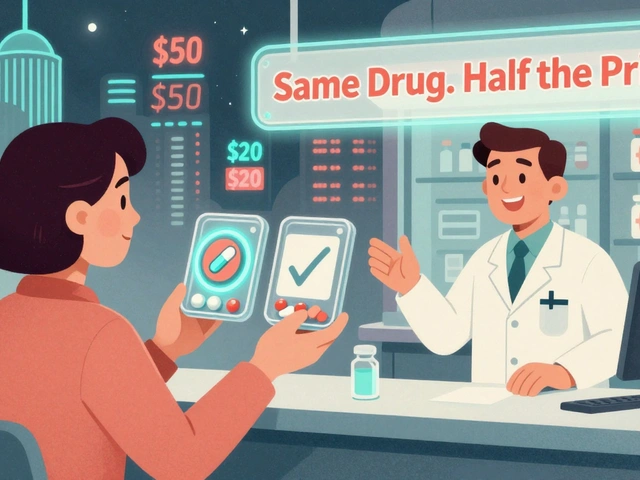
Dual therapy lowers systolic blood pressure by an additional 4-5 mmHg compared to doubling the dose of a single drug. Common combinations include Benicar HCT (Olmesartan + Hydrochlorothiazide) and Lotrel (Amlodipine + Benazepril). Generic versions of these first-line medications cost between $4-10 per month with discount programs, while brand-name combinations can average $350 without insurance. If you are struggling to remember multiple pills, ask your doctor about a single-pill option.
| Class | Common Examples | Primary Mechanism | Key Side Effects | Best For |
|---|---|---|---|---|
| Diuretics | Hydrochlorothiazide, Chlorthalidone | Fluid removal | Frequent urination, electrolyte imbalance | First-line, older adults |
| ACE Inhibitors | Lisinopril, Enalapril | Block enzyme | Dry cough, dizziness | Diabetes, kidney disease |
| ARBs | Losartan, Valsartan | Block receptors | Dizziness, high potassium | ACE intolerant patients |
| Calcium Channel Blockers | Amlodipine, Nifedipine | Vessel relaxation | Ankle swelling, headache | Isolated systolic hypertension |
| Beta Blockers | Metoprolol, Atenolol | Heart rate reduction | Fatigue, cold hands | Heart failure, post-MI |
Frequently Asked Questions
Can I stop taking blood pressure medication if I feel fine?
No, you should never stop taking these medications without consulting your doctor. High blood pressure often has no symptoms, and stopping abruptly can cause a dangerous spike in pressure, increasing the risk of stroke or heart attack.
Which medication is best for Black patients?
Guidelines suggest calcium channel blockers or thiazide diuretics are often more effective as initial therapy for Black patients without chronic kidney disease, based on findings from the ALLHAT trial.
Do blood pressure meds cause weight gain?
Some medications, like certain beta-blockers, may contribute to slight weight gain or make weight loss harder, while others like ACE inhibitors are generally weight neutral. Discuss specific concerns with your provider.
How long does it take for the medication to work?
Most medications start working within a few hours, but it can take 4-12 weeks of consistent dosing to see the full effect and reach your target blood pressure level.
Is grapefruit juice safe with these medications?
Grapefruit juice can interact with certain calcium channel blockers, increasing drug levels in the blood. It is best to avoid it if you are on medications like felodipine or amlodipine.




Caroline Bonner
March 26, 2026 AT 22:49I have been taking these meds for years and it is truly amazing how they work!!! It is really important to listen to your doctor; I mean really important. I remember when I first started the diuretics. My legs were so swollen before that, it was scary. Now I feel much better than ever. The water pills help a lot with the pressure. I take mine in the morning every single day. It helps me not go to the bathroom at night too. Some people say they are tired from them. But I do not feel tired at all, honestly. I think it is just about finding the right one for you. My doctor switched me twice before we found it. It was a long process to be sure. But it was worth it in the end. You should not give up on treatment ever. High blood pressure is serious business for everyone. We need to take care of our hearts daily. Please listen to the advice here in the post. It saves lives every single day. Thank you for sharing this info!!!
peter vencken
March 28, 2026 AT 11:43ace inhibitors rly help with kidney stuff but the cough is no joke. i switched to an arb and felt better instantly. doctors know what they are doin but sometimes u gotta push for changes. just my 2 cents on the matter.
Chris Crosson
March 28, 2026 AT 16:11Adherence is the biggest problem in this field. People stop taking meds when they feel fine. That is a dangerous mindset. You need to trust the science here. The data supports intensive control. Do not ignore the numbers on your monitor. Consistency is key for long term health.
Linda Foster
March 30, 2026 AT 15:47It is imperative that patients adhere to prescribed regimens. The clinical trials cited provide robust evidence for the efficacy of these interventions. One should consult a physician regarding any adverse reactions. Self-medication is not advisable under any circumstances.
Chris Farley
March 30, 2026 AT 16:38Guidelines are just suggestions made by people who want to sell pills. The body knows what it needs. You do not need a chemical to relax your vessels. Nature has its own ways. Doctors are just following the money. Do not let them control your life. Think for yourself.
Katie Putbrese
March 31, 2026 AT 08:49It is irresponsible to switch meds without proper supervision. You are playing with your own health. People need to take responsibility for their bodies. This is not a game. You should respect the medical profession. Do not spread misinformation about side effects.
Jacob Hessler
April 2, 2026 AT 04:09cost is too hgh for most peopl. insurnce sucks. why do we need new pills all the time. old ones worked fine. just make them cheaper.
Amber Gray
April 3, 2026 AT 15:47exactly 💊💸 health care is broken nobody cares about us just want to live 🙄
J. Murphy
April 3, 2026 AT 23:24people just need to stop ignoring their health.