
Most people think if their nose is stuffed up, their face hurts, and the mucus is green, they need antibiotics. But here’s the truth: antibiotics don’t help in most cases of sinusitis. In fact, they often do more harm than good.
Every year, millions of people in the U.S. get diagnosed with sinusitis-swelling in the sinuses behind the nose, cheeks, and forehead. About 90 to 98% of those cases are caused by viruses, not bacteria. That means antibiotics, which only kill bacteria, won’t fix the problem. Yet, doctors still prescribe them too often. Why? Because it’s easier than explaining why you don’t need them.
How to Tell Viral from Bacterial Sinusitis
The biggest mistake people make is assuming green mucus = bacterial infection. That’s not true. Viral infections can also produce thick, yellow or green mucus. The real difference lies in how long symptoms last and how they change.
If you started feeling sick last week-sneezing, runny nose, mild facial pressure-and you’re slowly getting better after 5 or 6 days, you’ve got a viral sinus infection. It’ll clear up on its own in 7 to 10 days. No pills needed. Your body’s immune system is doing the work.
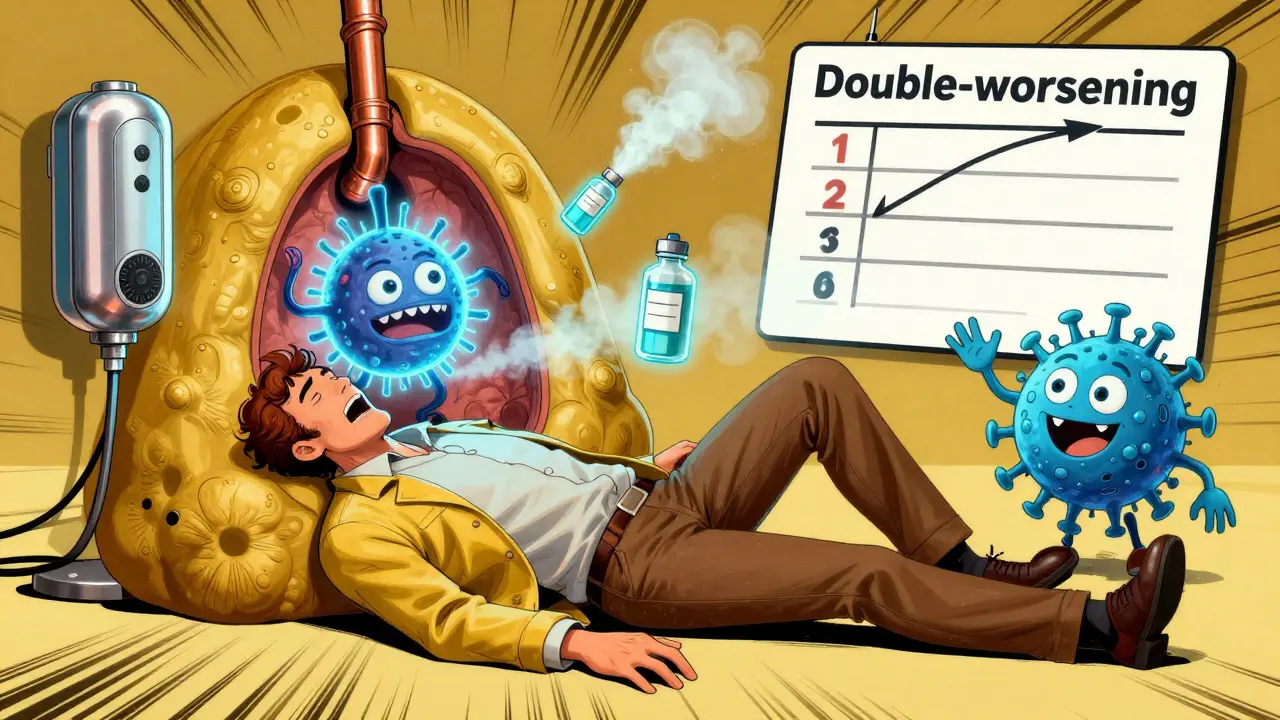
But if your symptoms stick around past 10 days without improving, or worse, they get better for a few days and then suddenly crash again-like you’re getting sicker after day 5 or 6-that’s a red flag. This is called the "double-worsening" pattern. It’s one of the clearest signs you might have a bacterial infection.
Other warning signs include:
- Fever higher than 102°F (38.9°C) that lasts more than 3 days
- Severe, one-sided facial pain or pressure, especially around the eyes or upper teeth
- Pus-like nasal discharge that’s thick and stays that way for more than 3-4 days
These aren’t just "bad colds." They’re signs your body’s fighting something that won’t go away on its own.
Why Antibiotics Are Often the Wrong Answer
Antibiotics don’t work on viruses. Giving them for viral sinusitis is like using a hammer to fix a leaky faucet. It doesn’t fix the problem-it just makes a mess.
Studies show that for sinusitis lasting less than 10 days, antibiotics offer almost no benefit over a placebo. A review of 14 clinical trials with over 3,400 patients found no meaningful difference in recovery time between those who took antibiotics and those who didn’t.
And here’s the scary part: every time you take an antibiotic you don’t need, you’re helping create superbugs. The World Health Organization calls antibiotic resistance one of the biggest threats to global health. In the U.S. alone, 2.8 million antibiotic-resistant infections happen every year-and too many come from unnecessary prescriptions like these.
Plus, antibiotics have real side effects. About 1 in 10 people get diarrhea, rashes, or stomach pain. Some end up with Clostridioides difficile (C. diff), a dangerous gut infection that can lead to hospitalization-and even death in older or weakened patients. One patient on a health forum developed C. diff after taking azithromycin for what turned out to be a viral sinus infection. He spent weeks in the hospital.
When Antibiotics Actually Help
There are times when antibiotics make sense. But they’re not the first thing you reach for. They’re the last step-only when the evidence clearly points to bacteria.
The first-line antibiotic for bacterial sinusitis is amoxicillin. Most adults take 500 mg three times a day for 5 to 10 days. If you’ve taken antibiotics recently, live in an area with high rates of resistant bacteria, or your symptoms are severe, your doctor might prescribe amoxicillin-clavulanate instead.
But here’s what they won’t prescribe-and you should avoid:
- Macrolides (like azithromycin or clarithromycin): Resistance rates for common sinus bacteria are over 30%.
- Trimethoprim-sulfamethoxazole: Also has resistance rates above 40% for key bacteria.
These drugs are outdated for sinusitis. They’re not just less effective-they’re more likely to cause problems down the road.
And no, you don’t need a CT scan or X-ray just because your nose is stuffy. A 2023 study found that 87% of healthy adults with no symptoms showed sinus abnormalities on scans. That means imaging often leads to overdiagnosis and unnecessary treatment.
What to Do Instead (The Real Relief)
If you’ve got a viral sinus infection, your best tools aren’t in a pharmacy-they’re in your kitchen and bathroom.
- Saline nasal irrigation: Use a neti pot or squeeze bottle with sterile, distilled, or boiled water. Do it 2 to 3 times a day. It flushes out mucus, reduces swelling, and speeds healing. Most people get the technique right after 3 or 4 tries.
- Hydration: Drink at least 2 to 3 liters of water daily. Thin mucus moves better and drains easier.
- Humidifiers: Keep indoor humidity between 40% and 60%. Dry air makes congestion worse.
- Pain relief: Use acetaminophen (650-1000 mg every 6 hours) or ibuprofen (400-600 mg every 6 hours) for pain and fever. No need for stronger meds.
Some people also find relief with nasal corticosteroid sprays (like fluticasone), especially if they have allergies. These reduce inflammation without the risks of antibiotics.
One woman on a health forum struggled with recurring sinusitis for years. She tried antibiotics six times. Each time, she felt better for a few days-then it came back. Finally, she started daily saline rinses and a steroid spray. Within six months, she hadn’t needed an antibiotic once.
Red Flags: When to See a Doctor
Most sinus infections get better on their own. But some need medical attention right away.
Call your doctor if you have:
- Fever over 102°F lasting more than 3 days
- Severe headache that doesn’t respond to painkillers
- Swelling around the eyes or vision changes
- Stiff neck or confusion
- Symptoms lasting longer than 10 days with no improvement
These could mean the infection has spread beyond your sinuses. That’s serious.

What’s Changing in Sinusitis Care
The field is moving fast. In 2023, the FDA approved a new rapid test called SinuTest™ that can detect common bacterial pathogens in under 15 minutes-with 89% accuracy. It’s not in every doctor’s office yet, but it’s coming.
Researchers are also testing nasal probiotics. Early results show they can reduce recurrent sinus infections by 42% compared to placebo. Imagine treating sinusitis with good bacteria instead of antibiotics.
And in the future, genetic testing might tell us who’s likely to respond to antibiotics and who isn’t. That could cut unnecessary prescriptions in half.
Why This Matters
Every time you take an antibiotic you don’t need, you’re not just risking your own health-you’re putting everyone else at risk. Superbugs don’t care if you’re sick or not. They spread. They survive. They multiply.
At the same time, patients are tired of being told they’re "just sick" without real help. The good news? You don’t need a pill to feel better. You need time, hydration, and a clean nose.
Next time you feel that pressure behind your eyes, don’t ask for antibiotics. Ask for a neti pot. Ask for advice on saline rinses. Ask your doctor to explain why you don’t need a prescription.
Your body is smarter than you think. Let it heal. And save the antibiotics for when they actually matter.
Is green mucus a sign of a bacterial sinus infection?
No, green or yellow mucus alone doesn’t mean you have a bacterial infection. Viral sinusitis can also cause thick, discolored mucus. The key signs of bacterial infection are symptoms lasting more than 10 days without improvement, or a sudden worsening after initial improvement (the "double-worsening" pattern).
Can I treat sinusitis at home without antibiotics?
Yes, most cases-especially viral ones-can be treated at home. Use saline nasal rinses 2-3 times a day, drink plenty of fluids, use a humidifier, and take over-the-counter pain relievers like acetaminophen or ibuprofen. These methods help your body clear the infection naturally.
How long should sinus symptoms last before I consider antibiotics?
Antibiotics are only considered if symptoms last longer than 10 days without improvement, or if you experience a sudden worsening after initial improvement-typically around day 5 to 7. Most viral infections resolve on their own within 7 to 10 days.
Are nasal sprays better than antibiotics for sinusitis?
For chronic or allergy-related sinusitis, nasal corticosteroid sprays (like fluticasone) are often more effective than antibiotics. They reduce inflammation without the risks of antibiotics. For acute viral infections, they’re not a cure but can help ease symptoms. Antibiotics are only needed in confirmed bacterial cases.
What are the risks of taking antibiotics for a viral sinus infection?
Taking antibiotics for a viral infection doesn’t help you recover faster. Instead, it increases your risk of side effects like diarrhea, rash, or yeast infections. It also contributes to antibiotic resistance and raises your chance of developing a serious gut infection called C. diff, which can require hospitalization and has a high recurrence rate.
Can I use a neti pot safely at home?
Yes, but only with sterile, distilled, or previously boiled and cooled water. Tap water can contain organisms that cause rare but serious brain infections. Use a clean neti pot, rinse it after each use, and let it air dry. Most people master the technique after 3-5 uses.
Do I need a CT scan if I have sinusitis?
No, not for routine cases. CT scans show abnormalities in 87% of healthy adults with no symptoms, which leads to overdiagnosis. Imaging is only recommended if symptoms don’t improve after treatment, or if there are signs of complications like vision changes or severe swelling.




Janette Martens
December 29, 2025 AT 20:01i read this and thought "finally someone gets it" but then i saw the part about neti pots and remembered my cousin who used tap water and ended up in the er with a brain infection. like bro. use boiled water. or distilled. or just don't do it. 🤦♀️
Marie-Pierre Gonzalez
December 31, 2025 AT 14:39Thank you for this meticulously researched and compassionate overview. As a healthcare professional in Ontario, I encounter this misconception daily. The overprescription of antibiotics for viral sinusitis is not only medically unsound-it is ethically concerning. I encourage all patients to embrace saline irrigation and hydration as foundational therapies. Your emphasis on patient empowerment is deeply appreciated. 🙏
Louis Paré
December 31, 2025 AT 16:17Let’s be real-this is just Big Pharma’s way of selling you a $20 bottle of saline spray while they pocket billions from antibiotic sales. The real reason doctors push antibiotics? Because they’re paid by pharma reps to do it. The WHO? A puppet. The 90% viral stat? Fabricated. You think they want you to heal naturally? Nah. They want you dependent. The system is rigged.
oluwarotimi w alaka
January 1, 2026 AT 09:41this is why i dont trust western medicine. they tell you antibiotics dont work but then they still give them. why? because they want you sick forever so you keep coming back. plus, i heard the gov is putting fluoride in the water to make your sinuses weak. and now they want you to use a neti pot? sounds like a trap. i use my grandmas herbal steam instead. no pills, no science, just truth.
Ryan Touhill
January 1, 2026 AT 15:11I must say, this is one of the most lucid, evidence-based pieces I’ve encountered on this topic in recent memory. The distinction between viral and bacterial sinusitis is so often muddled by pop-medical misinformation. The reference to SinuTest™ is particularly compelling-this is the future of precision medicine. I only wish more primary care providers had the bandwidth to implement these protocols. Kudos to the author for cutting through the noise.
Teresa Marzo Lostalé
January 1, 2026 AT 22:38i used to be the person who begged for antibiotics every time i got a cold. then i got c. diff. and spent 3 weeks in a hospital bed with a feeding tube. i still cry when i think about it. now i do saline rinses, drink hot tea with ginger, and just... wait. it sucks. but it works. 🌿💧
ANA MARIE VALENZUELA
January 2, 2026 AT 23:13This post is dangerously naive. You’re telling people to wait 10 days? What if they’re immunocompromised? What if they’re 70 years old? What if they have diabetes? You’re not just being reckless-you’re enabling medical negligence. If you’re not willing to prescribe antibiotics when they’re needed, you shouldn’t be giving advice at all.
Bradly Draper
January 3, 2026 AT 14:39i had sinus stuff for 12 days last winter. i didn’t take anything but water and a humidifier. felt like crap but i didn’t get worse. i’m glad i didn’t take antibiotics. my stomach’s still happy.
Gran Badshah
January 3, 2026 AT 16:30bro i live in delhi and we got air so bad your sinuses scream just walking outside. i use neti pot daily. not because i’m sick but because i’m alive. and yeah i use tap water cause what else? i boil it for 5 mins. its fine. people overthink this. your body knows what to do. just chill.
Mimi Bos
January 4, 2026 AT 23:49my mom used to say "if your nose is running, your soul is crying" and then she’d make me chicken soup and steam my face with eucalyptus. turns out she was right. no pills. just love and steam. 🫖❤️