
Statin-Grapefruit Interaction Checker
Select Your Statin Medication
Choose your cholesterol medication below to check for grapefruit interactions
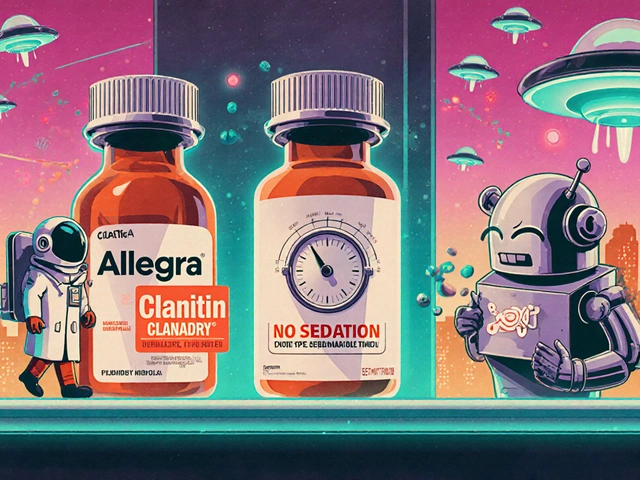
Imagine reaching for your morning glass of fresh squeezed juice, thinking you're doing something healthy for your heart. Then you pop your daily cholesterol pill. If that pill is a certain type of statin, that breakfast combination could quietly turn toxic in your body. This isn't just a minor warning; it is a documented pharmacokinetic phenomenon where a popular fruit stops your liver and gut from processing medication correctly. For millions of patients managing high cholesterol, understanding this invisible chemical battle is critical to avoiding severe muscle damage.
Statins Explained
To understand why grapefruit causes problems, we first need to look at how the body handles cholesterol medication. Statins are prescription drugs designed to lower LDL cholesterol by blocking an enzyme required for cholesterol production. They belong to a class of medications known as HMG-CoA reductase inhibitors. While highly effective at preventing heart attacks and strokes, they rely on a specific metabolic pathway to clear out of the system safely. Without this clearance, the drug accumulates in the bloodstream.
The Mechanism: Why Grapefruit Blocks Metabolism
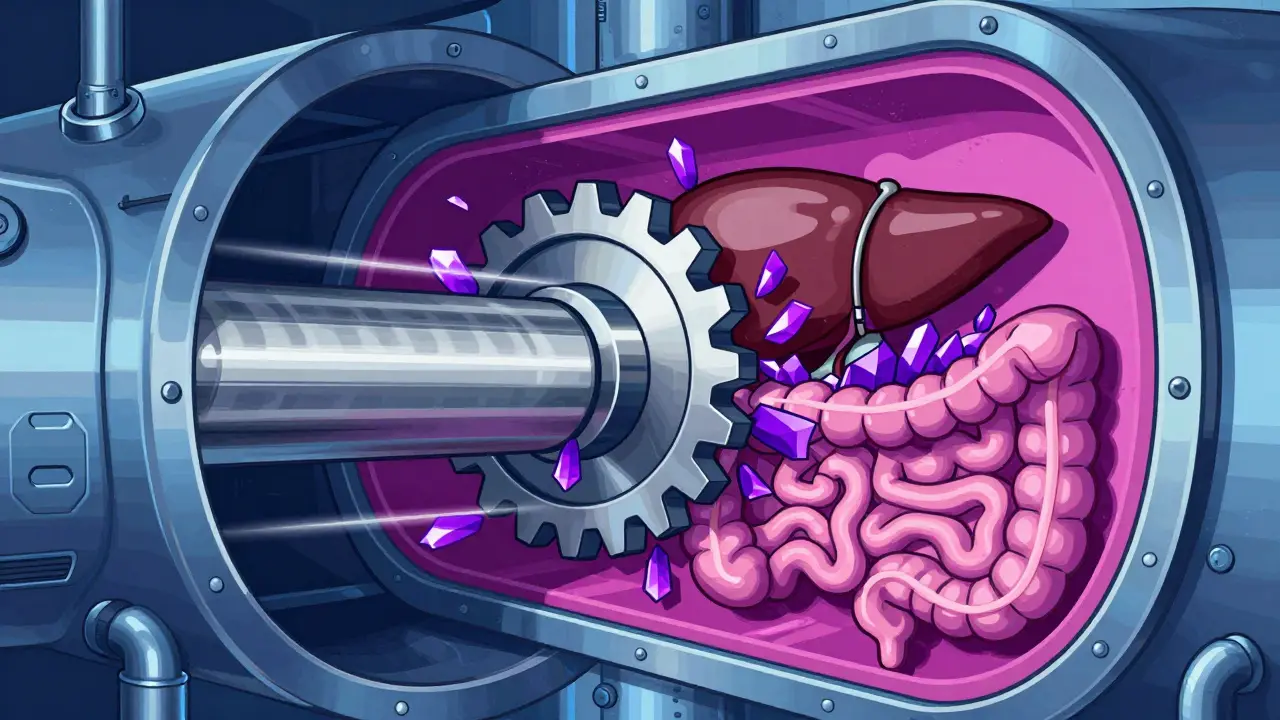
The core issue lies in a group of natural chemicals found in the rind and flesh of the fruit called furanocoumarins. These compounds act like a wrench thrown into the gears of your digestive machinery. Specifically, they target an enzyme family known as cytochrome P450 3A4, commonly referred to as CYP3A4.
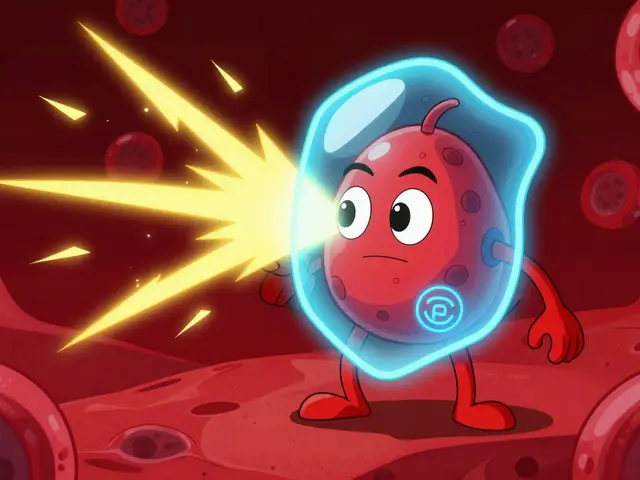
This enzyme typically sits in the lining of the small intestine, waiting to break down oral medications before they enter your bloodstream-a process known as first-pass metabolism. When you drink grapefruit juice, the furanocoumarins bind covalently to the active site of the CYP3A4 enzyme. Unlike temporary binding, this damage is irreversible. The enzyme is essentially destroyed. A single glass of juice can keep these enzymes inactive for roughly 72 hours. Because the enzyme cannot degrade the medication, much higher amounts of the active drug slip past the gut barrier and flood into your system.
Risk Levels: Which Medications Are Dangerous?
Not every cholesterol medication reacts to this fruit in the same way. The interaction depends entirely on how the body processes the specific drug molecule. Research shows significant variation among the different types available on the market today.
| Medication Name (Brand) | Interaction Risk | Clinical Recommendation |
|---|---|---|
| Simvastatin (Zocor) | High | Avoid completely |
| Lovastatin (Mevacor) | High | Avoid completely |
| Atorvastatin (Lipitor) | Moderate | Limits apply (no more than 250ml juice weekly) |
| Rosuvastatin (Crestor) | Low / None | Generally safe |
| Pravastatin (Pravachol) | Low / None | Generally safe |
| Fluvastatin (Lescol) | Low / None | Generally safe |
The high-risk category includes Simvastatin, Lovastatin, and to a lesser extent Atorvastatin. Studies published in Clinical Pharmacology & Therapeutics found that consuming grapefruit juice increased the peak serum concentration of simvastatin by approximately nine times. That means a standard dose effectively becomes an overdose. Conversely, options like Rosuvastatin are metabolized differently and bypass the CYP3A4 pathway almost entirely, making them the preferred choice for patients who refuse to give up citrus.
Symptoms of Toxicity: What to Watch For
When statin levels run too high, the consequences are rarely immediate spikes in blood pressure. Instead, the danger lurks in your muscles. The excess drug damages muscle cell membranes, causing them to leak their contents into the bloodstream. Mild symptoms start as general tiredness or vague aching in the legs and back. However, the condition can escalate rapidly into something much more serious called rhabdomyolysis.
Rhabdomyolysis is a life-threatening complication where muscle tissue breaks down violently. The breakdown product, myoglobin, travels through the kidneys, potentially causing acute kidney failure. This is rare, affecting less than one in 10,000 patients annually, but the risk skyrockets with concurrent grapefruit consumption. Warning signs include:
- Prolonged, unexplained muscle soreness that feels deeper than exercise fatigue
- Significant weakness, especially in the shoulders, hips, or thighs
- Urine that turns dark brown or tea-colored due to myoglobin excretion
- Fever or nausea accompanying the muscle pain
If you notice these symptoms, stopping the medication immediately is crucial, but do not restart it without consulting a doctor. Even intermittent consumption of the fruit keeps the enzyme suppressed long enough to maintain elevated drug levels.
Navigating Dietary Choices Safely
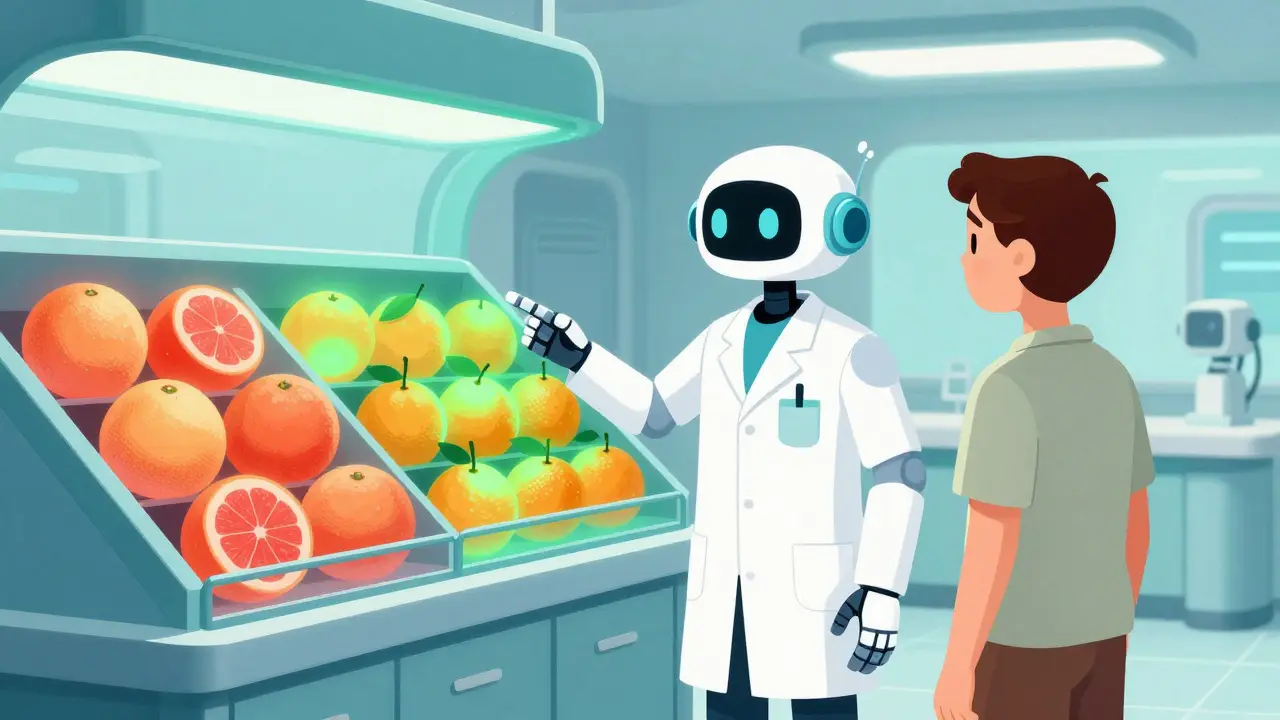
Does this mean all orange juice is off-limits? Fortunately, no. The chemical culprit is specific to the grapefruit species and its close relatives like Seville oranges (often found in marmalade) and pomelos. Regular sweet oranges, lemons, limes, and tangerines generally lack the necessary furanocoumarin density to trigger this inhibition. You can enjoy a lemonade or an orange juice smoothie without fearing a metabolic clash.
However, "grapefruit" covers more than just the raw fruit. Be cautious with commercial beverages labeled as blends, fruit teas containing grapefruit extract, and even some processed snacks using zest. The FDA requires warnings on labels for high-risk combinations, yet many patients report that doctors do not mention this during routine check-ups. Taking control means reading labels actively.
Managing the Interaction Long Term
Stopping a life-saving heart medication because of a dietary preference is a bad idea. Heart attack and stroke risks remain high if statin therapy is abandoned. The solution often involves switching to a safer alternative like pravastatin rather than cutting the medication dosage arbitrarily. Healthcare providers should screen for dietary habits when prescribing, yet surveys indicate this conversation happens infrequently.
Pharmacists play a vital role here. A study in the Journal of the American Pharmacists Association showed that pharmacist-led counseling reduced inappropriate combinations by nearly 80% in older populations. Always verify with your pharmacy team before starting any new supplement or changing your diet significantly while on prescribed drugs.
Frequently Asked Questions
Can I take my statin at a different time to avoid interaction?
No, timing does not work well here. Because the enzyme inhibition lasts for up to three days, drinking grapefruit in the morning and taking your pill at night will still result in high drug levels. Complete avoidance is safer for high-risk medications.
How much grapefruit juice is considered unsafe?
Studies suggest even 200 mL (about 6-7 ounces) of double-strength juice is enough to cause significant changes. For high-risk statins like simvastatin, zero consumption is recommended.
Is there a safe brand of grapefruit?
Currently, all varieties contain some furanocoumarins. However, researchers are working on breeding low-furanocoumarin varieties. Until those are widely available, assume all pink, red, and white varieties carry risk.
What if I accidentally had grapefruit and feel fine?
Monitor yourself closely for 48 to 72 hours. Watch for muscle tenderness or dark urine. If you consume it regularly, discuss switching to a non-interacting statin with your physician.
Do other foods interact with statins similarly?
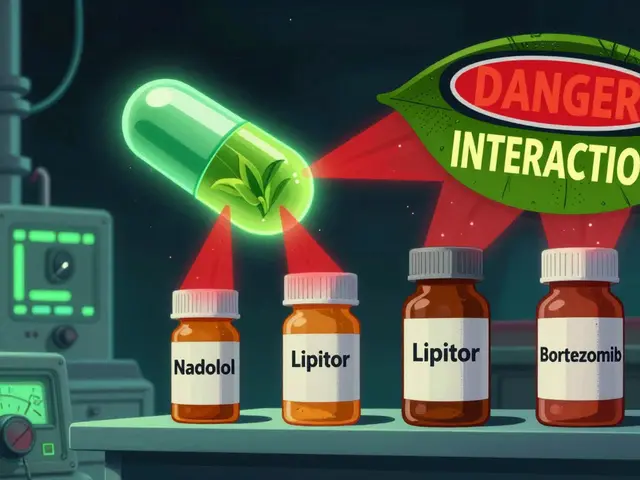
Yes, St. John's Wort and sevelamer can affect statin levels. Alcohol can also stress the liver when combined with these drugs. Always check drug-food interaction lists specifically for your prescription.


Monique Ball
March 27, 2026 AT 10:39Wow this is such super important information for everyone!! 😱 You really need to know how the furanocoumarins work! 🍊 They block the CYP3A4 enzyme completely 😱 It means the statin stays in your blood way too long 😰 Your muscles might get hurt if you ignore this 🤕 Please read your labels carefully friends 💕 Do not take atorvastacin with grapefruit juice 🚫 Simvastatin is also on the list of bad ones ⛔ Always talk to your doctor before changing habits 🩺 This saves lives honestly speaking ❤️ My aunt had rhabdomyolysis because she drank juice daily 😭 She didn't realize the risk until the doctor told her 🏥 It was scary watching her recover slowly 😢 Please dont make the same mistake 🙅♀️ Check every bottle cap warning label 🏷️ Knowledge protects us from bad outcomes 🛡️ Stay safe out there guys! 👋
gina macabuhay
March 27, 2026 AT 14:33Your attempt at being helpful is actually just fear mongering disguised as helpful advice.
Tony Yorke
March 29, 2026 AT 08:45Good reminder about the juice.
Austin Oguche
March 30, 2026 AT 11:17people often forget how food impacts med metabolism so i appreciate the clarity here its a weird chemical interaction i learned recently in school
Jeannette Kwiatkowski Kwiatkowski
March 30, 2026 AT 19:12Most people lack the basic literacy to understand pharmacokinetics anyway so they just eat whatever and complain when things go wrong.
Tommy Nguyen
March 31, 2026 AT 19:54yeah glad we can share stuff like this online so nobody gets hurt needlessly by ignorance
Richard Kubíček
April 1, 2026 AT 19:25It is fascinating to consider the delicate balance required in our modern medical regime. We consume medication that alters our chemistry while simultaneously consuming foods that alter that same chemistry. Nature provides us with healing compounds in the soil and the garden. However nature also provides inhibitors that halt the processing of synthetic drugs. This duality forces us to think deeply about dependency. If we rely on pharmaceuticals we must restrict our dietary freedom. The cost of safety is significant compliance with strict rules. Many individuals struggle with the cognitive load of these restrictions. Health becomes a constant management task rather than a passive state. We must accept that biology does not care about our desire for convenience. Ignorance of these mechanisms leads to silent suffering in the population. Education serves as the primary defense against accidental toxicity. We owe it to ourselves to read beyond the marketing labels. True wellness requires understanding the invisible interactions within the gut.
Kameron Hacker
April 2, 2026 AT 06:57This biological interference suggests a fundamental lack of oversight in public health education regarding diet and drug synergy.
Paul Vanderheiden
April 3, 2026 AT 19:38you got this bro just stay strong and keep learning everyday! 🚀 trust me the best minds are out here reading the details
Rachael Hammond
April 4, 2026 AT 02:36thats crazy i dint knw grapes do tht either lol thanks for posting this info here