
When you take more than one medication, drug interaction, a change in how a drug works because of another drug, food, or supplement. Also known as medication interaction, it can be harmless—or life-threatening. Most people don’t realize that even common OTC painkillers or herbal supplements can turn a safe prescription into a risk. You don’t need to panic over every combo, but knowing when to act saves lives.
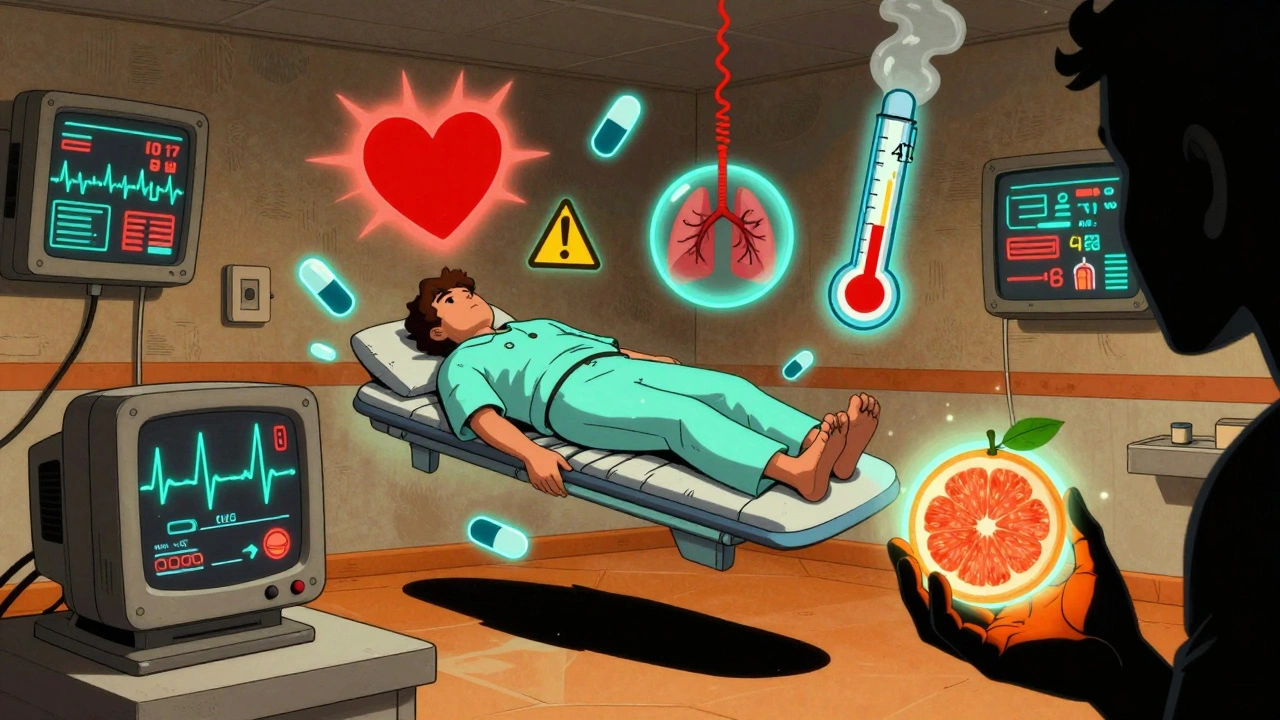
One of the biggest red flags is adverse drug reaction, an unexpected and harmful response to a medication. If you start feeling dizzy, confused, or unusually tired after starting a new pill, don’t wait. These aren’t just "side effects"—they could be signs your body can’t handle the mix. For example, mixing SSRIs with blood thinners like warfarin raises bleeding risk by 33%, especially in the first month. Bruising easily, nosebleeds, or dark stools? That’s not normal. Call your doctor. Same goes for sudden changes in heart rate, swelling, or trouble breathing. These aren’t "just stress" or "getting older." They’re signals your drugs are clashing.
Another key player is pharmacokinetic interactions, when one drug changes how your body absorbs, breaks down, or gets rid of another. Think of it like traffic jams in your liver. If you’re on a statin and suddenly start taking grapefruit juice daily, your body can’t clear the statin fast enough. Levels build up. Muscle damage follows. Or if you’re on a thyroid med and switch generic brands, even tiny differences in absorption can throw your whole system off. That’s why keeping a medication journal matters—not just for tracking side effects, but for spotting patterns your doctor might miss.
You don’t need to memorize every possible combo. But you do need to know your own body and your own meds. If you’re on three or more prescriptions, or if you’ve recently added something new—vitamin D, turmeric, melatonin—pay attention. Write down what you take, when, and how you feel. If something feels "off," it probably is. Most people wait too long. They think, "Maybe it’ll pass." But with drug interactions, timing is everything. The sooner you speak up, the less damage is done.
Below, you’ll find real-world stories and science-backed advice on spotting trouble before it hits. From how to tell if your generic med is causing problems, to why some drug combos are riskier for seniors or people with kidney issues—this collection gives you the tools to speak up, not just suffer in silence.
 5 December 2025
Learn when to seek emergency help for drug interactions - from life-threatening symptoms like seizures and breathing trouble to warning signs that need urgent medical attention within 24 hours.

©2026 rxmedicin.su. All rights reserved
13