
Every year, millions of people turn to online pharmacies to save money on prescriptions. They see a deal on Ozempic, Botox, or painkillers-way cheaper than the local pharmacy-and click "Buy Now." But what they don’t see is the truth: 96% of online pharmacies selling prescription drugs are illegal. And many of those sites are selling fake, dangerous, or even deadly pills.
What You’re Really Buying
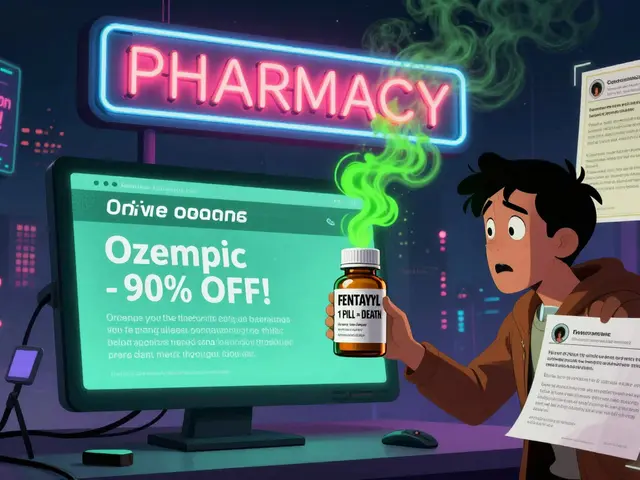
When you buy from an unverified website, you’re not getting the medicine you ordered. You’re getting whatever the criminal group decides to put in the bottle. It might look real-the packaging, the logo, even the batch numbers. But inside? It could be chalk, rat poison, or fentanyl. The U.S. Drug Enforcement Administration seized over 60 million fake pills in 2024. Most of them were made to look like oxycodone or Xanax. But they contained lethal doses of fentanyl-up to 50 times stronger than heroin. One pill can kill. And people don’t know they’re taking it until it’s too late. Counterfeiters don’t just target painkillers. In 2023 and 2024, the FDA found fake versions of Ozempic, Botox, and alli (orlistat). Fake Ozempic? It might have no semaglutide at all. Or it could have something worse-industrial chemicals, heavy metals, or unknown substances that cause organ damage. Fake Botox? It doesn’t work. Worse, it can cause facial paralysis, vision loss, or breathing problems.How These Sites Trick You
These aren’t shady back-alley operations. They look like real businesses. Professional websites. Secure checkout pages. Live chat support. Fake customer reviews. Some even have U.S. phone numbers and physical addresses-except those addresses are empty warehouses or mailboxes. They use Google Ads to show up right at the top of search results. They run Facebook and Instagram ads promising "90% off" weight loss drugs. They send spam emails with links to "limited-time offers." And they’re getting smarter. Some now use AI-generated content to mimic real pharmacy blogs and patient testimonials. The Alliance for Safe Online Pharmacies found that 95% of websites selling prescription drugs online don’t require a valid prescription. That’s not just illegal-it’s a red flag. Legitimate pharmacies don’t hand out controlled substances like candy. If a site lets you pick a dosage and click "Buy" without talking to a doctor, it’s not a pharmacy. It’s a trap.The Real Cost of Cheap Medicine
You might think, "I’m just saving $50 on my diabetes meds." But the hidden cost is far higher. Counterfeit drugs often contain too little or too much of the active ingredient. A fake antibiotic might not kill the infection-so it gets worse. A fake blood pressure pill might do nothing, putting you at risk for stroke. A fake insulin? That can send you into a coma. The World Health Organization says at least 1 in 10 medicines in low- and middle-income countries are fake. But this isn’t just a problem overseas. The OECD reports that nearly 38% of all seized counterfeit medicines in the world were targeting U.S. companies. That means Americans are buying these dangerous products every day. And it’s not just about health. Fake medicines cost the global economy $30.5 billion a year. That money goes straight into the pockets of organized crime. Some of these networks are linked to human trafficking, drug cartels, and terrorist financing.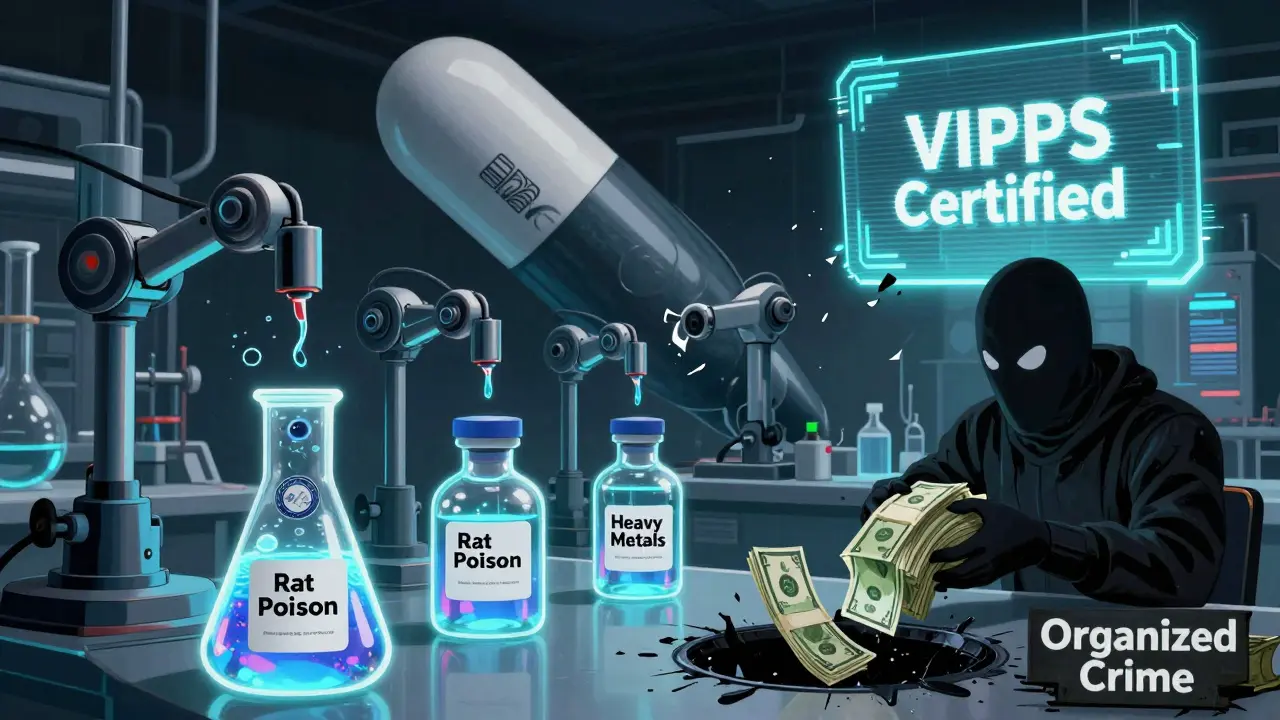
How to Spot a Legit Online Pharmacy
There are safe ways to buy medicine online. But you have to know how to tell the difference. The FDA and the National Association of Boards of Pharmacy (NABP) recommend these three steps:- Check for a VIPPS seal-that’s the Verified Internet Pharmacy Practice Sites program. Only about 5% of online pharmacies have it. You can search for certified pharmacies at www.nabp.net.
- Require a prescription-any legitimate pharmacy will ask for a valid, up-to-date prescription from a licensed doctor. If they don’t, walk away.
- Look for a physical address and phone number-not just a contact form. Call them. Ask questions. A real pharmacy will answer.
- Sell medications without a prescription
- Offer "miracle cures" or "no doctor needed" deals
- Ship from outside the U.S. without clear labeling
- Have poor grammar, broken links, or suspicious domain names (like .ru, .cn, or .xyz)
What to Do If You’ve Already Bought Something Suspicious
If you’ve taken a pill from an unknown site and feel sick-dizzy, nauseous, short of breath, or confused-seek medical help immediately. Tell the doctor you suspect a counterfeit drug. Even if you feel fine, report it. The FDA’s MedWatch program collects reports from people who’ve had bad reactions to fake medicines. You can file a report online or call 1-800-FDA-1088. If you find a website selling fake drugs, report it to the FDA’s Office of Criminal Investigations at [email protected]. Your report could help shut down a dangerous operation.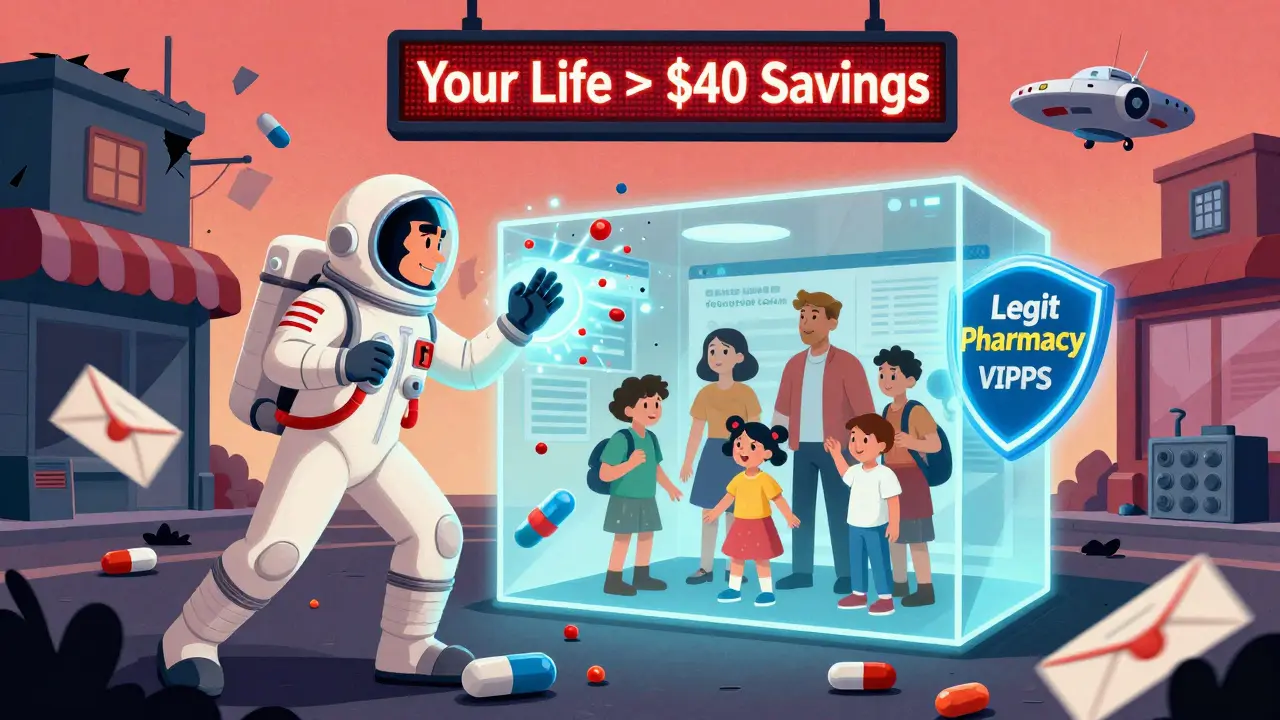
Why This Keeps Happening
These scams thrive because they’re profitable and low-risk. Criminals make huge profits-sometimes 1,000% markup-on fake Ozempic or Botox. And they rarely get caught. Even when Interpol shuts down 13,000 websites in a single operation (like in 2025), new ones pop up the next day. Regulations like the Drug Supply Chain Security Act (DSCSA) help track real drugs from manufacturer to pharmacy. But they don’t apply to websites operating from countries with no enforcement-like Russia, China, or parts of Southeast Asia. And consumers keep falling for it. The lure of cheap medicine is strong. Especially for people paying hundreds a month for insulin, weight loss drugs, or mental health medications. But the trade-off isn’t worth it.Bottom Line: Safety Over Savings
There’s no such thing as a safe, cheap online pharmacy that doesn’t follow the rules. If it looks too good to be true, it is. Your health isn’t something to gamble with. A fake pill might save you $40 today-but it could cost you your life tomorrow. Stick to pharmacies you trust. Use your insurance. Ask your doctor about patient assistance programs. Many drugmakers offer discounts or free samples to people who qualify. You don’t need to risk your life to save a few bucks. The next time you see a deal on Ozempic or Botox online, pause. Ask yourself: "Is this worth my life?"How can I tell if an online pharmacy is real?
Look for the VIPPS seal from the National Association of Boards of Pharmacy, check that they require a valid prescription, and verify they have a physical U.S. address and working phone number. You can search verified pharmacies at NABP.net. If the site doesn’t ask for a prescription or ships from overseas without clear labeling, it’s likely fake.
Are fake medicines only a problem in developing countries?
No. While counterfeit drugs are more common in low-income countries, the U.S. is a major target. Nearly 38% of all seized counterfeit medicines worldwide are meant for the American market. Fake Ozempic, Botox, and fentanyl pills are being sold to Americans every day through deceptive websites.
What should I do if I took a fake pill?
If you feel unwell after taking a pill from an unknown source, seek emergency medical help immediately. Tell the doctor you suspect a counterfeit drug. Even if you feel fine, report it to the FDA’s MedWatch program at 1-800-FDA-1088 or online. Your report helps track dangerous products and protect others.
Why are fake Ozempic and Botox so common online?
These drugs have high demand and high profit margins. Ozempic costs hundreds of dollars per month, so criminals make huge profits selling fake versions. Botox is popular for cosmetic use, and many people want it cheap and fast-making them easy targets. Fake versions often contain nothing useful or harmful chemicals that can cause serious injury.
Can I trust online pharmacies that say they’re based in the U.S.?
Not necessarily. Many fake pharmacies use fake U.S. addresses or rent mailboxes to appear local. Always verify their license through the state pharmacy board and check for the VIPPS seal. If they won’t let you speak to a licensed pharmacist, they’re not legitimate.


Gina Beard
January 22, 2026 AT 18:30Some things are just too cheap for a reason.
Tiffany Wagner
January 24, 2026 AT 09:57i saw a site selling ozempic for 30 bucks a month and i almost clicked it until my cousin told me her friend almost died from fake insulin
now i just call my doctor and ask for samples
they dont charge me much
Izzy Hadala
January 25, 2026 AT 14:55The structural vulnerabilities in global pharmaceutical supply chains are exacerbated by regulatory arbitrage and the absence of harmonized international enforcement mechanisms. The DEA’s 2024 seizure figures are not merely statistical anomalies-they reflect systemic failures in digital consumer protection infrastructure. Furthermore, the convergence of AI-generated marketing with illicit pharmaceutical distribution represents a novel vector for public health compromise, demanding adaptive policy frameworks that outpace algorithmic deception.
lorraine england
January 25, 2026 AT 15:38you think you’re saving money but you’re just playing russian roulette with your organs
my aunt took fake xanax last year and ended up in the hospital for a week
she still doesn’t get why she didn’t just pay the $80 at CVS
now she tells everyone to check the vipps seal
so i guess that’s something
Darren Links
January 26, 2026 AT 22:20why are we letting foreign criminals ruin American healthcare
we have the best doctors and pharma companies in the world
but instead of supporting them, people go for some sketchy .ru site because they’re too lazy to call their insurance
this isn’t about cost-it’s about weakness
Kevin Waters
January 27, 2026 AT 17:09if you’re on insulin or blood pressure meds, don’t risk it
here’s what actually works: ask your doctor about patient assistance programs
most big pharma companies have them
some give you free meds for a year
also check out NeedyMeds.org
they list every discount and aid program out there
you don’t need to buy from a shady site to survive
Himanshu Singh
January 28, 2026 AT 21:11bro i know how it feels to be broke
but your health is your only real asset
if you lose it, no amount of saved cash will bring it back
stay safe, stay smart
🙏
Elizabeth Cannon
January 29, 2026 AT 03:25just because a site looks legit doesnt mean it is
my cousin bought botox off instagram and her face looked like a melted candle
she had to get surgery to fix the nerve damage
now she posts about it every week
if you see someone selling miracle drugs online
run
not walk
run
Don Foster
January 30, 2026 AT 18:33you people are naive if you think the FDA can protect you
they’re underfunded and overwhelmed
the real solution is to stop trusting bureaucrats and start trusting yourself
if you want real medicine go to a licensed pharmacist in person
anything else is just digital gambling
and you’re the house