
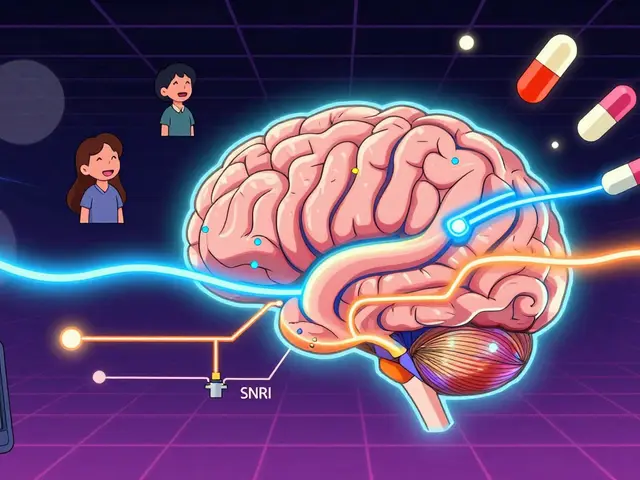
When you're trying to quit smoking, varenicline, a prescription medication designed to help people stop smoking by targeting nicotine receptors in the brain. Also known by its brand name Chantix, it doesn't just mask cravings—it changes how your brain responds to nicotine. Unlike nicotine patches or gum, which replace the drug you're quitting, varenicline gently blocks nicotine from binding to brain receptors while slowly reducing the urge to smoke. That’s why many people find it more effective than other methods—it tackles both the physical pull and the mental habit at once.
It’s not magic, though. Varenicline works best when paired with real behavioral changes: setting a quit date, avoiding triggers like coffee or stress, and having support. People who use it often report fewer withdrawal symptoms—less irritability, less anxiety, less intense cravings. But it’s not for everyone. Some notice nausea, trouble sleeping, or vivid dreams. Rarely, mood changes or thoughts of self-harm have been reported, especially in those with a history of mental health issues. That’s why doctors screen you before prescribing it.
It’s also not the only option. Some switch to bupropion (Zyban) or use nicotine replacement. But varenicline stands out because clinical trials show it doubles your chances of quitting compared to placebo. One study found that after a year, 22% of people on varenicline stayed smoke-free—compared to just 9% on a sugar pill. And if you’ve tried quitting before and failed, varenicline might be the tool you’ve been missing.
What you won’t find in most ads is how it fits into real life. People who take it often keep a journal—tracking cravings, sleep, and mood—just like those managing thyroid meds or blood thinners. Why? Because small changes in how you feel can signal whether the dose needs adjusting or if something else is going on. And if your insurance denies coverage, you’re not alone. Many have had to appeal, just like with other generics, using the same step-by-step strategies that work for other hard-to-get meds.
You’ll also see posts here about how drug interactions can change how varenicline works. For example, combining it with alcohol might make you feel more dizzy. Or if you’re on antidepressants, your doctor might watch you more closely. These aren’t just theoretical risks—they show up in real patient reports. And if you’ve ever wondered why one person quits smoking with varenicline and another doesn’t, it’s often not about willpower. It’s about biology, timing, and support.
Below, you’ll find real stories and science-backed advice from people who’ve used varenicline—or tried to. Some share how they managed side effects. Others explain why they switched to another method. A few even talk about what didn’t work, so you don’t waste time on dead ends. Whether you’re just thinking about quitting or already on the path, this collection gives you the practical details you won’t get from a pharmacy flyer. No fluff. Just what matters.
 2 December 2025
Quitting smoking is the most effective way to reduce heart disease risk-cutting heart attack chances in half within a year. Learn proven strategies, medications, and timelines that save lives.




©2026 rxmedicin.su. All rights reserved
12