
When something goes wrong with a medication—whether it’s a rare rash, a sudden spike in blood pressure, or an unexpected reaction to a supplement—MedWatch reporting, the U.S. Food and Drug Administration’s system for collecting safety information on drugs and medical products. Also known as FDA MedWatch, it’s the official way patients and doctors report harmful side effects that weren’t caught during clinical trials. Most people think drug safety is all settled once a pill hits the shelf. But the truth? Thousands of reactions only show up after hundreds of thousands of people start using a medicine. That’s where MedWatch reporting steps in. It’s not just for doctors. If you’ve had a bad reaction, you can file a report yourself—and it might save someone else’s life.
MedWatch reporting ties directly to adverse drug reactions, harmful or unintended effects from medications, which can range from mild nausea to life-threatening organ damage. These aren’t just random glitches—they’re data points that help the FDA spot patterns. For example, reports of sudden liver failure from a new supplement led to a nationwide warning. Or when dozens of people reported severe dizziness after switching to a generic version of a blood pressure drug, the FDA investigated and found a manufacturing issue. pharmacovigilance, the science of monitoring drug safety after approval relies on this kind of real-world feedback. Without it, dangerous drugs could stay on shelves for years.
You don’t need a medical degree to file a MedWatch report. If you took a prescription, an over-the-counter pill, a vitamin, or even a herbal product and felt worse afterward, you’re eligible. Did you get a rash after starting a new antihistamine? Did your heart race after taking a weight-loss supplement? Did a generic version of your antidepressant make you feel numb or suicidal? These aren’t "just bad luck"—they’re signals. The FDA uses these reports to update labels, issue warnings, or even pull products off the market. And you don’t have to wait for your doctor to act. You can submit a report online in under 10 minutes.
What you’ll find in the articles below are real stories and practical guides tied to this system. You’ll see how people used label info to catch dangerous interactions, how certain antihistamines worsened restless legs, why some generic combinations saved thousands without losing effect, and how patients spotted red flags in their meds before anyone else did. These aren’t just about drugs—they’re about power. When you report a side effect, you’re not just complaining. You’re helping shape safer medicine for everyone.
 14 November 2025
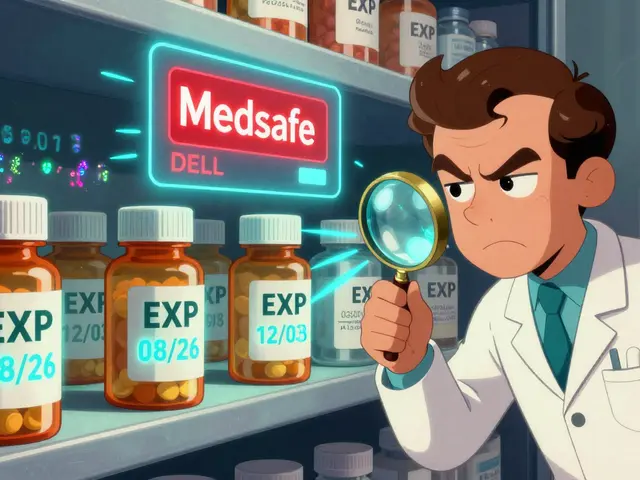
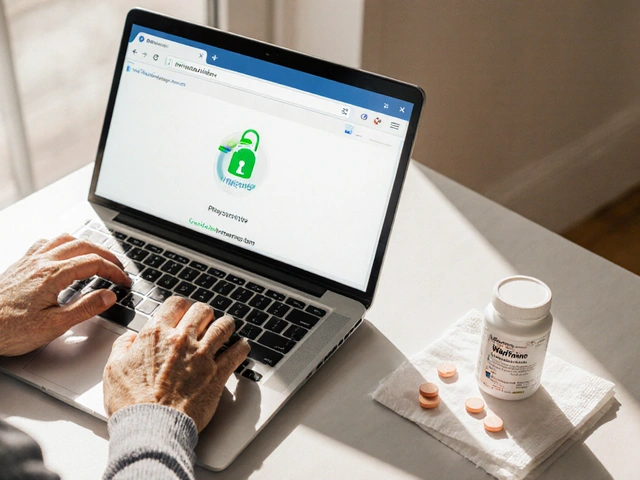
Learn when and how to report rare side effects from generic medications. Understand the signs, the process, and why your report matters for drug safety - even if you're just a patient.



©2026 rxmedicin.su. All rights reserved
13