
It’s not easy to talk about overdose risk with your doctor. You might be on opioids for chronic pain. You might be using substances to cope. Or you might just be worried - and that’s enough. But if you don’t bring it up, you’re left alone with a risk that doesn’t have to be silent. Every day, people die from overdoses because they never got the chance to say, “I’m scared.” And too often, doctors don’t know how to respond - not because they’re cold, but because they’ve never been trained to talk about this without judgment.
Why this conversation matters more than you think
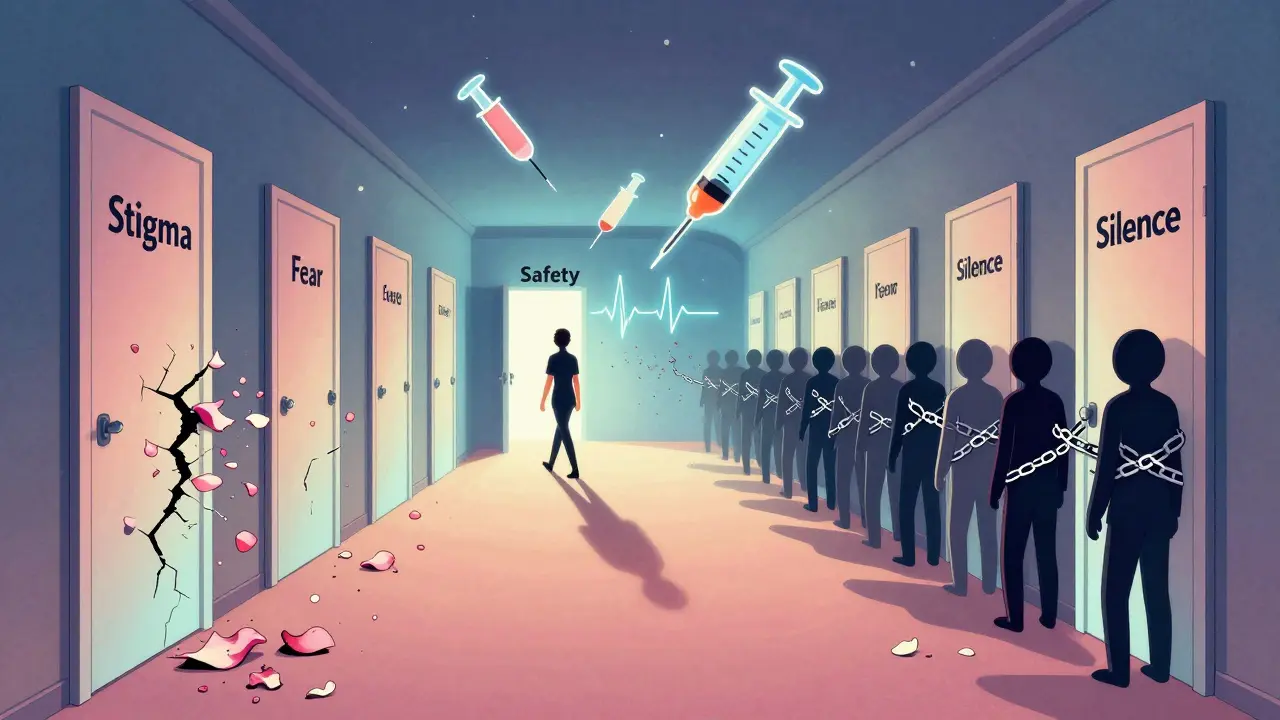
Overdose isn’t a moral failure. It’s a medical event. In the U.S., nearly 80 people die every day from opioid overdoses. That’s not just a statistic - that’s someone’s parent, sibling, friend, or neighbor. The CDC says the biggest barrier to saving lives isn’t lack of treatment - it’s stigma. People avoid talking about it because they fear being labeled “addict,” “drug seeker,” or “non-compliant.” And doctors, even well-meaning ones, often react with suspicion instead of support.Here’s the truth: if you’re prescribed opioids, you’re already at risk. Even if you’ve never used anything else. Even if you take your pills exactly as directed. Opioids slow your breathing. A single missed dose, a new medication, or even a cold can push your body over the edge. That’s why the CDC now says: “Assess overdose risk for every patient on opioids - no exceptions.”
What to say - and how to say it
The language you use changes everything. Words like “addict” or “abuser” make doctors uncomfortable. But if you use clear, calm, and factual language, you shift the conversation from judgment to care.Try this script: “I’m on opioids for [condition], and I want to make sure I’m as safe as possible. I’d like to talk about overdose prevention and get naloxone as part of my care plan.”
That’s it. No excuses. No apologies. Just facts and a request. This approach works because it frames overdose prevention like wearing a seatbelt or getting a flu shot - routine, smart, and normal.
Research shows patients who use this exact language are 62% more likely to get naloxone prescribed. Naloxone (brand name Narcan) reverses opioid overdoses. It’s safe, easy to use, and costs as little as $25 now that generics are available. You don’t need to be using street drugs to need it. You just need to be on opioids - or live with someone who is.
Prepare before your appointment
Don’t wing it. Go in with a simple one-page note. Write down:- Every medication you take - including prescriptions, over-the-counter pills, and supplements
- Any alcohol, cannabis, or other substances you use, even occasionally
- Any times you’ve felt dizzy, confused, or had trouble breathing while on your meds
- Any past overdose scares - even if you didn’t call 911
One study found that patients who brought this kind of documentation were 53% more likely to have a productive conversation. It shows you’re serious about safety - not trying to hide anything.
Bring the CDC’s patient talking points. They’re free, written in plain language, and designed for exactly this situation. You can print them from the CDC website or save them on your phone. If your doctor asks why you’re bringing it, say: “I read this and thought it might help us talk more clearly.”
What to do if your doctor reacts badly
Some doctors still believe myths: that naloxone encourages drug use, or that people who talk about overdose are “using.” The truth? Naloxone saves lives. Period. And asking for it is a sign of responsibility - not risk.If your doctor says something like, “Why would you need that? Are you using heroin?” - that’s not a medical question. That’s stigma. You have the right to be treated with dignity.
Here’s how to respond:
- “I’m not using heroin. I’m asking for a safety tool, like an EpiPen for allergies.” (Dr. Bobby Mukkamala, AMA)
- “I’m concerned about being judged. That’s why I need to talk about this openly.” (Dr. Nora Volkow, NIDA)
- “I’m not asking for permission. I’m asking for support.”
If the conversation turns hostile, you can say: “I’d like to see another provider who’s trained in substance use care.” You’re not being difficult. You’re protecting your health.
What you’re entitled to
You have the right to:- Ask for naloxone without being questioned
- Discuss your substance use without fear of being reported
- Get help for substance use disorder - even if you’re still using
- Be treated like any other patient with a chronic condition
The AMA, CDC, and SAMHSA all agree: substance use disorder is a medical condition - not a crime. Your doctor should treat it like diabetes or high blood pressure. If they don’t, it’s not you. It’s them.
What if you’re not on opioids?
You still need to talk about this. Many overdoses happen from mixing alcohol with benzodiazepines, or using street drugs like fentanyl without knowing it’s in your pills. If you use any substance - even once a week - you’re at risk.Ask: “I use [substance] sometimes. Should I be worried about overdose? Can I get naloxone just in case?”
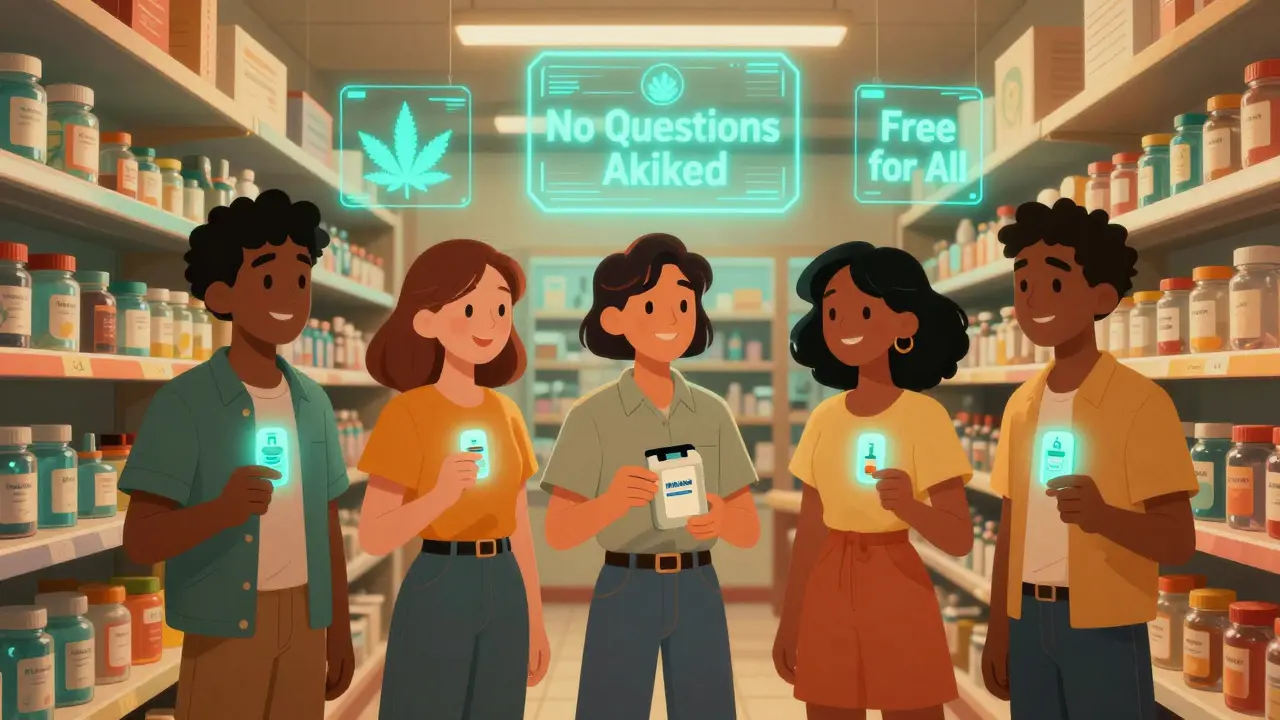
Naloxone works on all opioids, including fentanyl. It doesn’t work on alcohol, stimulants, or benzodiazepines - but if someone else overdoses and you have it, you can still save their life. Many pharmacies now sell naloxone without a prescription. You can walk in and ask for it. No judgment. No questions.
Where to get help
You don’t have to do this alone.- SAMHSA National Helpline: 1-800-662-4357. Free, confidential, 24/7. They’ll help you prepare for your doctor visit.
- Reverse Overdose Oregon: Their free toolkit includes scripts tested with real patients.
- SMART Recovery: Offers weekly online meetings focused on preparing for medical appointments.
- Your local pharmacy: Many now carry naloxone over the counter. Ask for it.
In 2022, over 287,000 people called the SAMHSA helpline - a 22% increase from the year before. You’re not alone in feeling this way.
It’s not about blame - it’s about safety
Overdose doesn’t happen because someone is weak. It happens because systems fail - and because we’re taught to be silent. You’re not asking for permission to be safe. You’re claiming your right to live.Doctors are learning. More than 78% of them now get annual training on non-stigmatizing language. The X-waiver requirement for prescribing buprenorphine was eliminated in 2021, meaning more providers can offer treatment. Generic naloxone is affordable. Telehealth options are expanding. The system is changing - slowly, but it is changing.
By speaking up, you’re not just saving yourself. You’re helping shift the culture. One conversation at a time.
Can I get naloxone without a prescription?
Yes. In all 50 states and Washington, D.C., pharmacies can dispense naloxone without a prescription. You can walk into most pharmacies and ask for it. Many offer it for free or under $25. Some even provide free training on how to use it. No ID, no judgment, no questions asked.
Will my doctor report me if I admit to using drugs?
No. Doctors are not required to report substance use to law enforcement. Privacy laws protect your medical information. The only exceptions are if you’re a danger to yourself or others, or if a child is at risk. Even then, the goal is help - not punishment. If you’re concerned, ask your provider directly: “Will this be reported?” They’re required to answer honestly.
What if my doctor refuses to talk about overdose risk?
You have the right to seek care elsewhere. Ask for a referral to a provider trained in addiction medicine. Federally qualified health centers (FQHCs) are required to offer non-stigmatizing care and often have specialists on staff. You can also contact SAMHSA’s helpline - they’ll help you find a provider who listens.
Is naloxone only for people who use heroin?
No. Most overdoses now involve fentanyl - often mixed into pills that look like prescription painkillers or antidepressants. Even people who take their medications exactly as prescribed can overdose if they mix them with alcohol, sleep aids, or anxiety meds. Naloxone is for anyone at risk - and that includes more people than you think.
Can I carry naloxone if I’m not the one using drugs?
Absolutely. Many people carry naloxone to protect family members, friends, or even strangers. It’s legal everywhere. If you’re around someone who uses opioids - even occasionally - having naloxone on hand could save a life. The CDC encourages everyone to have it, just like a fire extinguisher.
Next steps
Start today. Write down your medications. Think about your risks. Practice the script out loud. Then, go to your next appointment and say: “I’d like to discuss overdose prevention.” You’re not asking for permission. You’re claiming your right to safety.Overdose doesn’t have to be silent. You don’t have to be ashamed. And you don’t have to do this alone.


Jeff Card
March 6, 2026 AT 01:44I’ve been on opioids for six years now. Never thought I’d need to talk about this until my sister almost didn’t make it last year. Naloxone saved her. Now I carry two. No shame. No stigma. Just facts. If you’re on meds, you’re at risk. Period.
Doctors don’t need to be heroes. They just need to listen. And you? You’ve got every right to ask for safety like it’s your birthright.
Donna Zurick
March 6, 2026 AT 04:37Just walked into my pharmacy and asked for naloxone. The pharmacist handed it to me with a smile and said ‘good call’ 🙌 No ID. No lecture. Just a lifesaver. You don’t need permission to be smart.
Milad Jawabra
March 7, 2026 AT 22:34Let me be real for a second. This whole post is basically a manual for how to survive a system that still treats you like a criminal if you admit you’re human. I’ve had doctors laugh at me for asking about naloxone. One told me ‘if you need it, you’re already dead.’
So I went to another clinic. Found a nurse practitioner who actually read the CDC guidelines. She gave me the script, the naloxone, AND a referral to counseling. No judgment. Just care.
You think this is about drugs? Nah. It’s about dignity. You’re not asking for help. You’re demanding it. And you should. Every single person on opioids deserves this conversation. Not as a favor. As a right.
Stop waiting for permission. Bring the damn paper. Say the words. If they flinch? Walk out. There are providers out there who get it. Find them. And if you’re reading this and you’re scared? You’re not alone. I’ve been there. You’re not weak. You’re awake. And that’s the first step.
Tobias Mösl
March 8, 2026 AT 20:39Oh wow. Another woke pamphlet. So now we’re giving out overdose antidotes like candy? Next they’ll hand out free fentanyl test strips at Walmart next to the gum.
You know what really causes overdoses? People who think they’re invincible and mix everything they can get their hands on. This isn’t about ‘stigma’-it’s about personal responsibility. If you’re using opioids for ‘chronic pain,’ how much is really pain and how much is just addiction hiding behind a medical label?
Naloxone doesn’t fix the problem. It just lets people keep doing it. And now we’re rewarding it? I’m sorry, but this isn’t healthcare. It’s enabling wrapped in a CDC logo.
And don’t even get me started on ‘no judgment.’ You think doctors don’t care? They care too much. They’ve seen too many bodies. They’re not being cold-they’re scared. And you? You’re just asking for permission to keep self-destructing.
RacRac Rachel
March 10, 2026 AT 06:11I just got my naloxone kit today 💙 It’s tiny. Fits in my purse. I’m carrying it for my brother. He’s not using heroin. He’s on oxycodone for a back injury. But he also drinks wine. And takes melatonin. And sometimes forgets to eat. That’s enough. I didn’t want to say anything until I read this.
My mom cried when I told her I got it. She said, ‘I didn’t know you could just ask.’
You can. You absolutely can. And if you’re scared? I get it. I was too. But this isn’t about shame. It’s about love. And you? You’re already doing the brave thing just by reading this.
Go get it. No excuses. No apologies. Just go.
💛 You’re not alone.
Jane Ryan Ryder
March 12, 2026 AT 00:59Oh here we go again the woke overdose pamphlet. Next they’ll be giving out free naloxone at Trump rallies so he can save his own addicts. I bet you’re one of those people who thinks addiction is a disease but murder is a choice. Real logic.
Levi Viloria
March 12, 2026 AT 04:52I’m from the Midwest. Used to think this stuff didn’t happen here. Then my cousin overdosed in a trailer outside of Des Moines. No one knew he was on pills. He was just ‘sleeping too much.’
My aunt didn’t know how to ask the doctor. She thought he’d get mad. So she stayed quiet. He didn’t make it.
I carry naloxone now. Not because I use. But because I love people who do. And if you’re scared to talk? I get it. But silence kills. Not the pills. Not the drugs. The silence.
It’s not about politics. It’s about who you’re willing to lose before you say something.
My cousin was 28. He had a dog named Buddy. He liked peanut butter sandwiches. He didn’t deserve to die alone because no one knew how to ask for help.
tatiana verdesoto
March 13, 2026 AT 04:12My therapist told me last week: ‘Asking for naloxone isn’t admitting you’re broken. It’s admitting you’re still fighting.’
I cried. Not because I’m weak. Because for the first time, someone didn’t treat me like a problem to fix. Like a patient. Like a person.
I got my kit yesterday. Put it in my glovebox. My dog barked when I opened it. I laughed. Then I cried again.
It’s not about drugs. It’s about being seen. And you? You’re already seen. Even if you didn’t say it out loud. You’re here. Reading this. That counts. That matters.
You’re not alone. I promise.