
When you take a medicine exactly as your doctor tells you, that’s medication adherence, the practice of following a prescribed drug schedule to achieve the best health outcome. It’s not just about remembering to take your pills—it’s about staying on track even when you feel fine, even when side effects show up, and even when the cost feels heavy. Without it, even the most powerful drugs can fail. Many people think missing one dose here and there doesn’t matter. But studies show that skipping just 20% of your doses can cut the effectiveness of blood pressure meds, antidepressants, and even antibiotics in half.
Pill reminders, tools or routines that help you track when to take your medicine are one of the simplest fixes. Whether it’s a phone alert, a pill organizer, or tying your dose to brushing your teeth, structure beats willpower. But reminders alone won’t fix everything. Drug interactions, when one medicine changes how another works in your body can make you feel worse, not better. That’s why people stop taking their meds—because they think the side effects are the problem, not the solution. And if your insurance denies a generic version, or the cost jumps unexpectedly, you’re not lazy—you’re stuck.
Some of the most common reasons people fall off track? Confusing labels, too many pills, fear of side effects, or not understanding why the drug even matters. One man skipped his blood thinner because he didn’t know a missed dose could cause a stroke. A woman stopped her antidepressant after feeling better—only to crash back into depression weeks later. These aren’t failures of character. They’re failures of communication and support.
What you’ll find below isn’t a list of generic tips. These are real stories from people who’ve been there, backed by research on how DOACs work in obese patients, why SSRIs raise bleeding risk when mixed with blood thinners, how to appeal insurance denials for generics, and how to read your prescription label to set accurate reminders. You’ll see how medication adherence isn’t just a personal habit—it’s shaped by drug design, cost, side effects, and the system around you. And if you’ve ever wondered why your meds aren’t working, the answer might not be in your willpower. It might be in how you’re being told to take them.
 8 January 2026
Knowing what to ask your doctor before starting a new medication can prevent dangerous side effects, improve adherence, and save your health. Here are the essential questions every patient should ask.
 4 December 2025
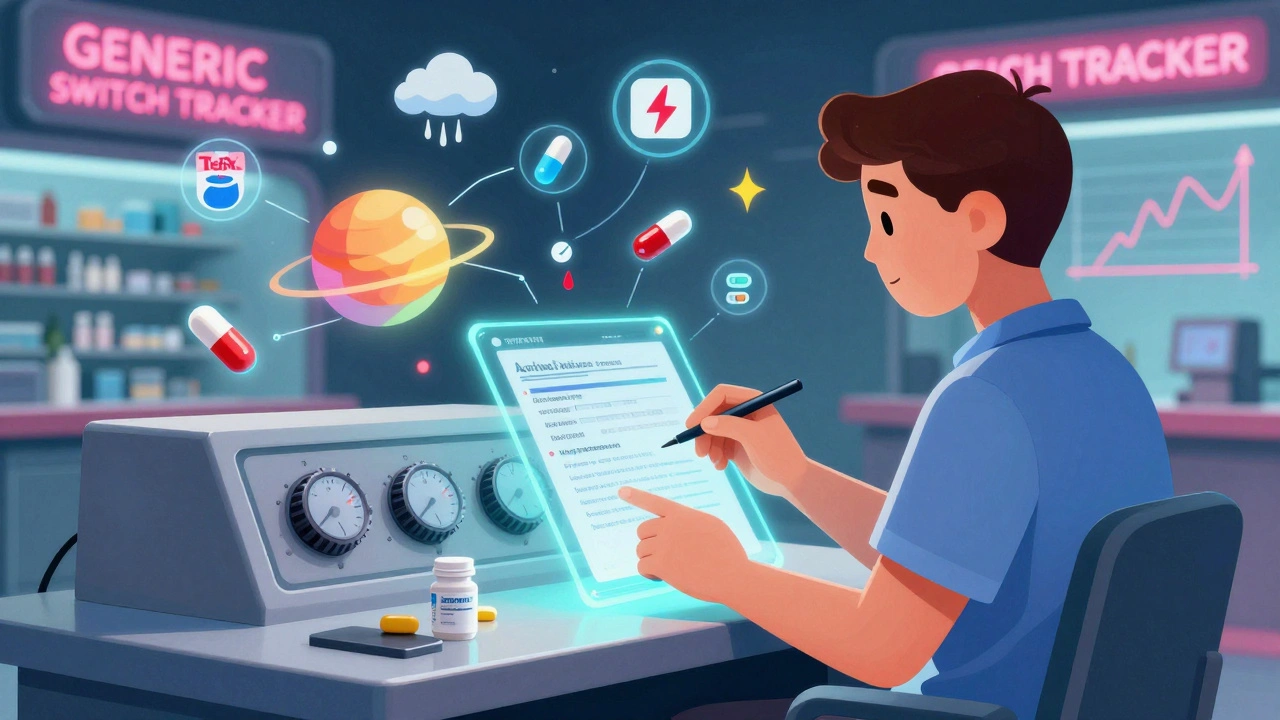
Keep a simple medication journal when switching to generic drugs to track side effects, effectiveness, and manufacturer changes - especially for thyroid, blood thinners, or seizure meds. Small differences can impact how you feel.



©2026 rxmedicin.su. All rights reserved
12