
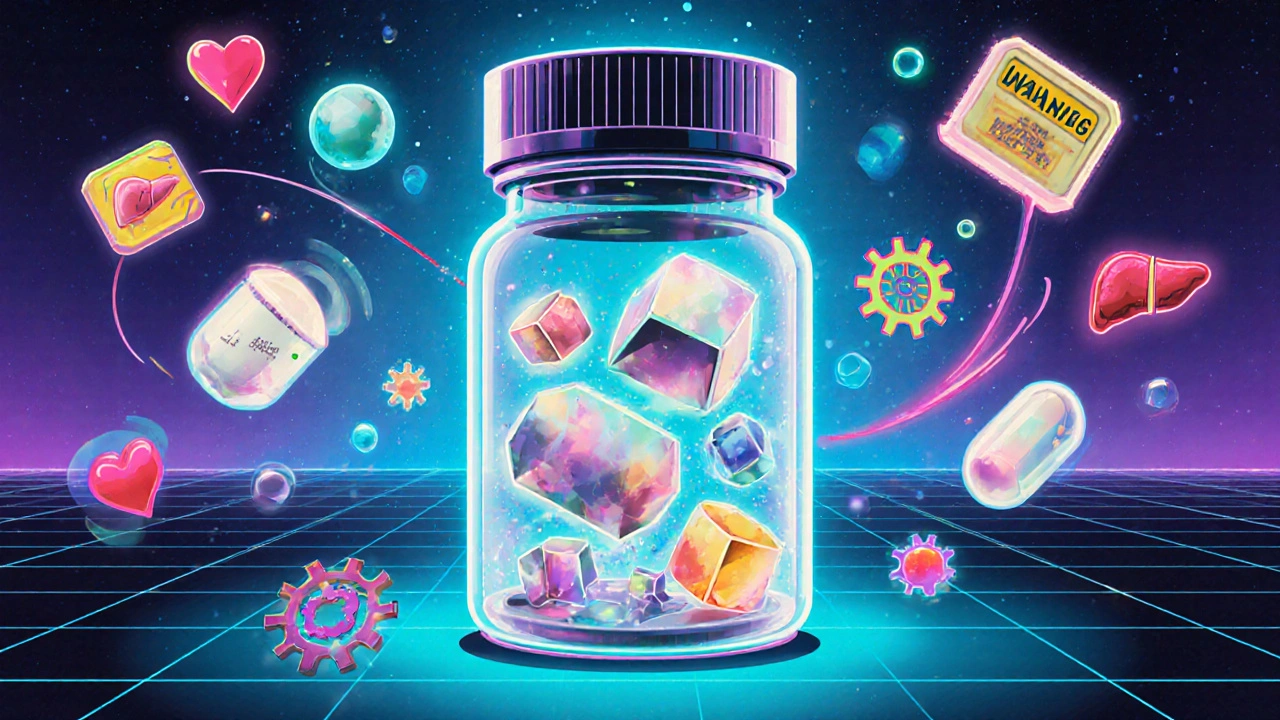
When you pick up a generic medication, a pharmaceutical product that contains the same active ingredient as a brand-name drug but is sold under its chemical name. Also known as generic drugs, it is legally required to work the same way, in the same amount, and with the same safety profile as the original. Yet, many people still worry: are they really safe?
The answer is yes—when you get them from a trusted source. The FDA and similar agencies around the world require generic drugs to meet the same strict standards for purity, strength, and performance as brand-name versions. But safety isn’t just about the pill itself. It’s about how you use it. Drug interactions, when two or more medications affect each other’s effects in your body can turn a safe generic into a risk. For example, taking a generic version of Zyrtec with another sedating antihistamine like Benadryl might leave you drowsy or confused. Or switching from one generic brand to another without checking the fillers could cause issues if you’re allergic to dyes or lactose. These aren’t theoretical risks. People have been hospitalized because they didn’t realize their new generic pill had a different inactive ingredient.
Another layer of medication side effects, unwanted physical or mental reactions caused by a drug often gets ignored. Generic drugs have the same side effects as their brand-name cousins—no more, no less. But if you’ve never had a problem with the brand, and suddenly feel nauseous or dizzy on the generic, it’s not always "in your head." It could be a different binder, coating, or preservative. That’s why reading your label matters. A prescription label isn’t just a reminder—it’s your safety checklist. Knowing how to read it helps you spot changes, ask the right questions, and avoid dangerous combinations like mixing tadalafil with nitrates, which can drop your blood pressure dangerously low.
And here’s the thing: safety isn’t just about what’s in the pill. It’s about where you get it. Buying cheap generics online without verifying the pharmacy? That’s where real danger lives. Counterfeit pills—fake generics with no active ingredient, or worse, toxic chemicals—are flooding the market. The FDA has seized thousands of these. You can’t tell by looking. That’s why knowing how to find a legitimate pharmacy, checking for proper licensing, and avoiding sites that don’t require a prescription is part of generic medication safety.
What you’ll find below isn’t just a list of articles. It’s a practical toolkit. You’ll see how real people used label info to avoid missed doses, how switching to generics saved hundreds without losing effectiveness, and how even a common blood pressure drug like azilsartan can trigger rare but serious allergic reactions. You’ll learn what to watch for with ADHD meds like atomoxetine, how antihistamines can make restless legs worse, and why calcium supplements aren’t all created equal. These aren’t abstract theories. They’re real stories, real risks, and real fixes—straight from people who’ve been there.
 14 November 2025
Learn when and how to report rare side effects from generic medications. Understand the signs, the process, and why your report matters for drug safety - even if you're just a patient.


©2026 rxmedicin.su. All rights reserved
13