
When the first generic drugs, identical copies of brand-name medications approved by regulators after patents expired. Also known as non-branded drugs, they opened the door to affordable healthcare for millions. Before generics, people paid hundreds or even thousands for pills that were chemically the same as cheaper versions available elsewhere. The difference wasn’t in the medicine—it was in the label, the packaging, and the marketing budget.
Today, authorized generics, the exact same drug as the brand, made by the original company and sold under a generic label are one of the smartest ways to cut costs without sacrificing quality. These aren’t knockoffs—they’re the real thing, just without the flashy ads. You get the same active ingredient, same dose, same effects. The only difference? You pay 30% to 80% less. That’s not a trick. That’s how the system was meant to work. And it’s why drug pricing, the cost of medications set by manufacturers, insurers, and pharmacies still feels broken for many people. Big pharma tries to delay generics with legal tricks like product hopping or patent thickets. But the truth is, once a patent expires, the law says generics can enter—and they should.
Switching to a generic isn’t just about saving money. It’s about control. When you take a generic version of your blood pressure pill or thyroid medicine, small differences in fillers or manufacturing can affect how you feel. That’s why keeping a medication journal, a simple log tracking how you respond to each drug version matters. Note side effects, energy levels, or mood changes. If you notice a shift after switching brands, it’s not in your head—it’s real. And you have the right to report it. Your report helps fix problems before they affect others.
Not all generics are created equal. Some are made by companies that specialize in quality. Others are cut-rate versions that might not meet the same standards. That’s why knowing your pharmacy’s supplier matters. And if your insurance denies coverage for the generic you need? You can appeal. People win these appeals all the time—especially when their doctor writes a note. You don’t need a lawyer. You just need to know the steps.
Behind every cheap pill is a story: a patent that expired, a regulator who approved it, a manufacturer who stepped in, and a patient who finally got relief without going broke. The first generic drugs didn’t just lower prices—they forced a system to choose between profit and access. And now, decades later, that choice is still yours. Whether you’re on a blood thinner, an antidepressant, or a daily heart pill, you deserve to know what’s in your bottle and why it costs what it does. Below, you’ll find real stories, real data, and real ways to get the most out of your medication—without overpaying.
 7 December 2025
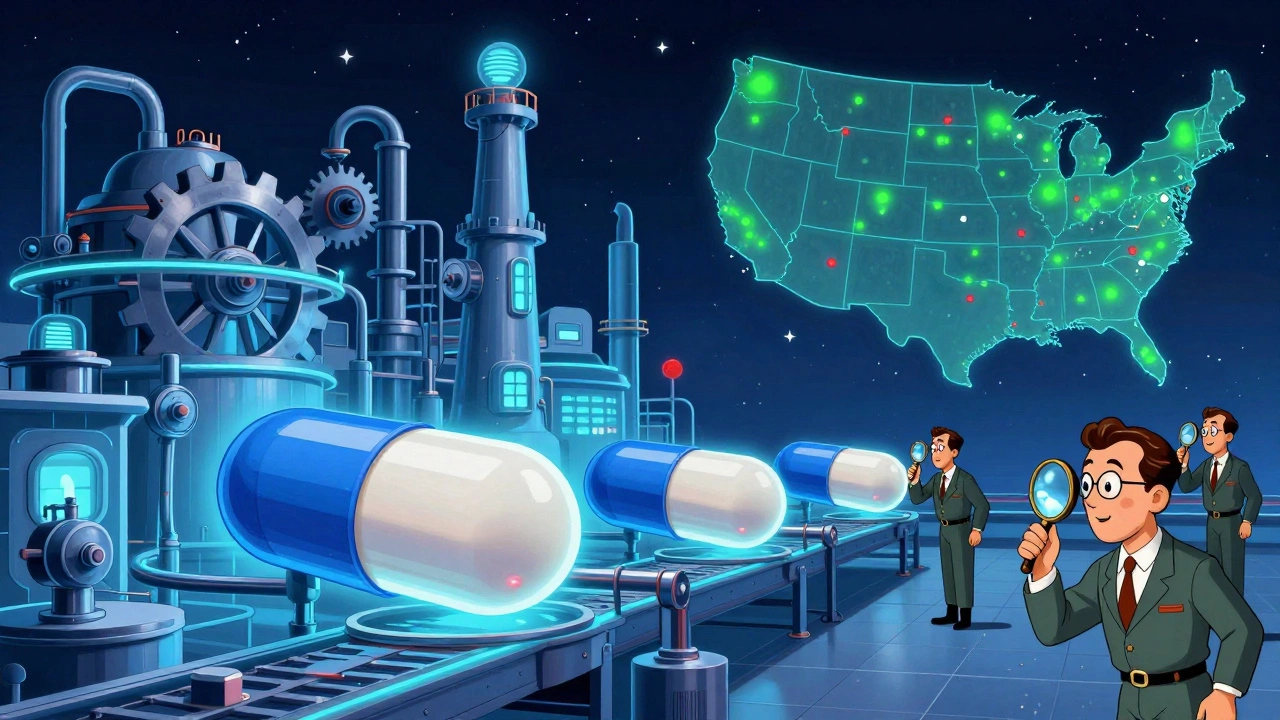
The FDA's 2023-2025 changes to generic drug approvals prioritize U.S.-made medications to prevent shortages. Learn how the new pilot program speeds up approvals, impacts prices, and affects drug availability.

©2026 rxmedicin.su. All rights reserved
15