
When you take a pill, it doesn’t just sit there waiting to help you. Your body drug metabolism, the biochemical process that breaks down medications so they can be eliminated or activated. Also known as medication processing, it’s the reason why two people taking the same dose can have totally different results. Some people feel the full effect right away. Others feel nothing. And some get side effects others don’t. It all comes down to how fast or slow your body turns that drug into something else—usually in the liver enzymes, special proteins, mostly from the CYP450 family, that chemically alter drugs for removal or activation. These enzymes aren’t the same for everyone. Genetics, age, diet, even other meds you’re taking can turn them up, down, or off completely.
This isn’t just theory. It’s why generic drug safety, the reliability of cheaper versions of brand-name drugs, which depend on identical metabolic pathways. works. A generic version of gabapentin or tadalafil must be broken down the same way as the brand name, or it won’t work right. That’s why the FDA requires bioequivalence testing. But here’s the catch: if your liver enzymes are slow, even a perfectly made generic might build up in your system and cause side effects. Or if they’re too fast, the drug gets cleared before it can help. That’s why reporting rare reactions to meds—like in the case of atomoxetine or azilsartan—is so important. Your experience helps scientists map out who’s at risk.
Drug metabolism also explains why some meds need to be taken with food and others on an empty stomach. It’s why grapefruit can wreck your blood pressure pill. And why switching from one antihistamine to another might suddenly make your restless legs worse—because they’re processed by different enzymes. Even your diet plays a role. Imipramine and other antidepressants interact with foods that affect liver activity. Calcium supplements can interfere with how some antibiotics are absorbed. Every pill you take enters a complex system, and if you don’t understand how it’s handled, you’re flying blind.
What you’ll find below isn’t just a list of articles. It’s a real-world guide to how drug metabolism shows up in everyday health decisions. From how to read your prescription label to why your generic meds might need a different timing, from why some people can’t tolerate certain drugs to how liver enzymes affect everything from pain relief to sleep aids—you’ll see the hidden patterns behind the pills you take. This isn’t about memorizing science. It’s about knowing how your body handles medicine so you can take control of your treatment, not the other way around.
 2 February 2026
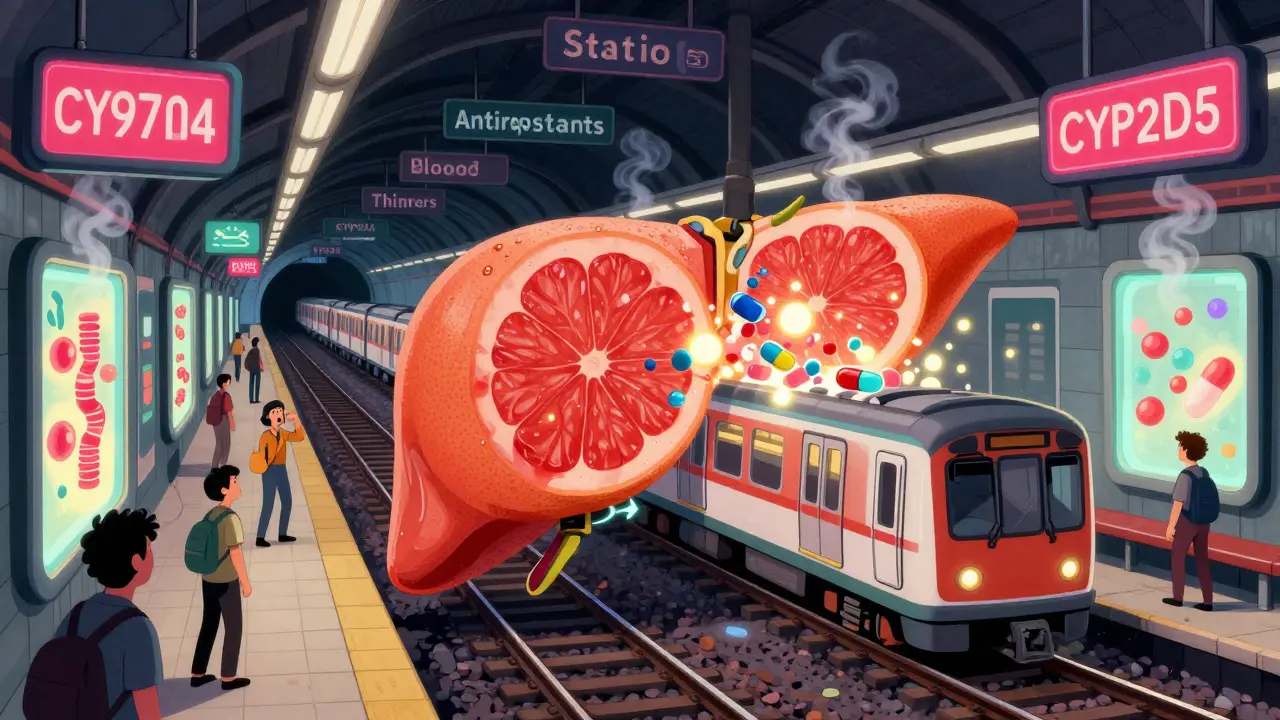
CYP450 enzymes break down 90% of medications. When drugs compete for the same enzyme, levels can spike or drop dangerously. Learn how common interactions with statins, antidepressants, and even grapefruit juice can cause serious harm-and how to prevent them.
 18 November 2025
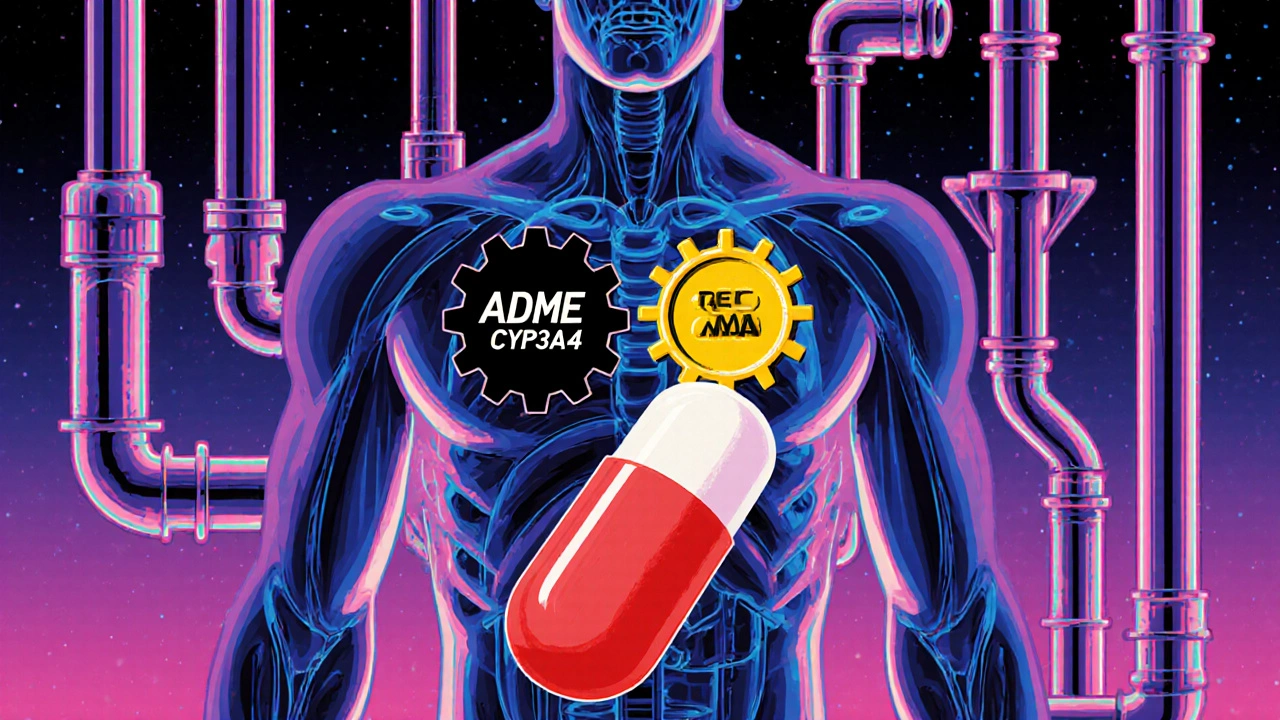
Learn how pharmacokinetic and pharmacodynamic drug interactions work, why they matter for safety, and what you can do to avoid dangerous side effects when taking multiple medications.


©2026 rxmedicin.su. All rights reserved
14