
When you take diuretics, medications that help your body get rid of extra fluid by increasing urine output. Also known as water pills, they're commonly used for high blood pressure, heart failure, and swelling from kidney or liver problems. But while they work well for many, they don’t come without risks. About 1 in 5 people on diuretics experience noticeable side effects, and some can be serious if ignored.
One of the most common issues is electrolyte imbalance, a disruption in the levels of minerals like potassium, sodium, and magnesium that your nerves and muscles need to function. Loop diuretics like furosemide can drain too much potassium, leading to muscle cramps, irregular heartbeat, or even dangerous heart rhythms. Thiazide diuretics, often used for high blood pressure, can drop sodium levels so low you feel confused or nauseous. These aren’t rare — they show up in doctor’s offices every day. That’s why blood tests are often needed, especially when you first start or change doses.
Another big concern is how diuretics affect your kidney function, the organs that filter waste and control fluid balance in your body. Taking them when you’re already dehydrated or on other meds like NSAIDs can strain your kidneys. Some people end up with acute kidney injury because they didn’t realize how much fluid they were losing. And if you’re on multiple drugs — say, a diuretic plus an ACE inhibitor or an NSAID — the risk of bad interactions goes up fast. These combinations aren’t always obvious, but they’re behind many hospital visits.
Then there’s the daily stuff: needing to pee every couple of hours, especially at night. That can wreck sleep and make life harder, especially for older adults. Dizziness from low blood pressure is common too — standing up too fast might make you fall. And while some side effects fade after a few weeks, others stick around. The key isn’t avoiding diuretics altogether, but knowing what to watch for and talking to your doctor before making any changes.
You’ll find posts here that dig into real cases — like how mixing diuretics with certain heart meds can spike your potassium to dangerous levels, or why some people develop severe muscle weakness after months on the same dose. Others explain how to spot early signs of dehydration or what to do if you miss a dose. There’s also advice on managing side effects without stopping the drug, and when to push back on your prescriber if something feels off. These aren’t theoretical warnings — they’re based on real patient reports and clinical data.
 28 November 2025
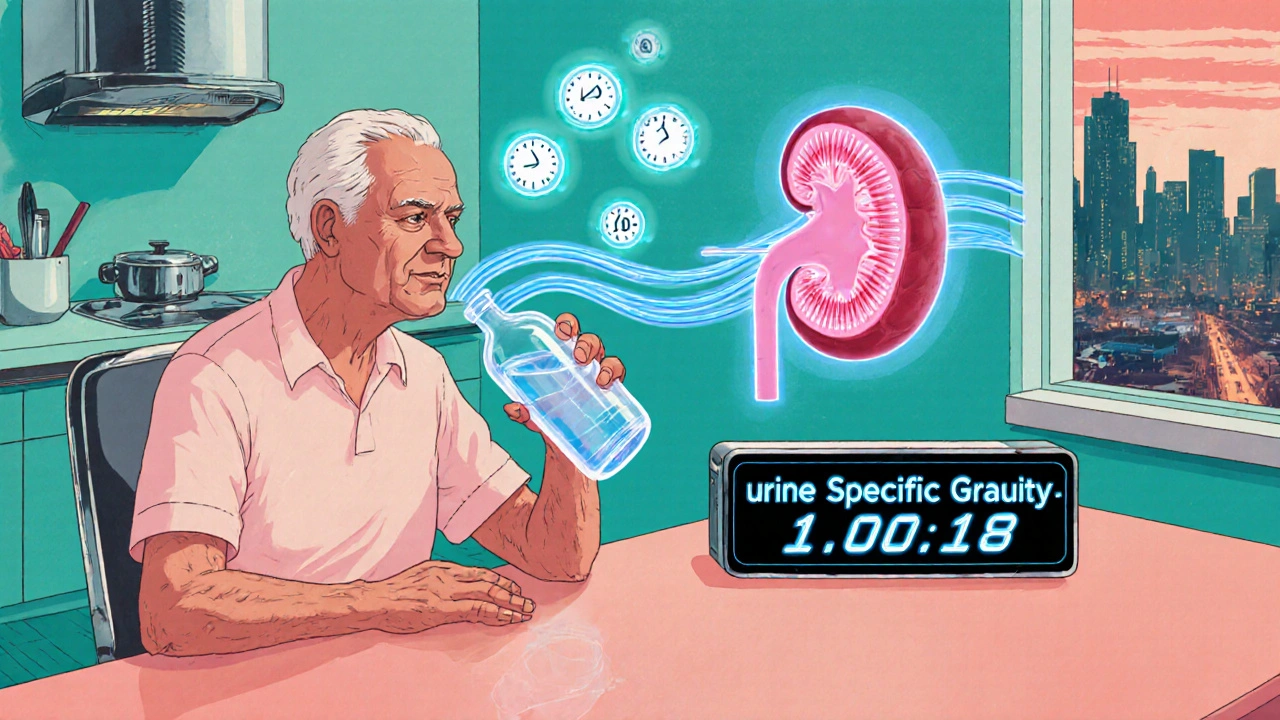
Elderly people on diuretics face a high risk of dehydration and kidney injury. Learn how to recognize early signs, adjust fluid intake, and prevent hospitalization with simple, proven strategies backed by current medical research.




©2026 rxmedicin.su. All rights reserved
11