
When you can’t sleep night after night, pills might seem like the only answer—but CBT-I, cognitive behavioral therapy for insomnia, is a structured, evidence-based approach that rewires your brain’s sleep habits without drugs. Also known as cognitive behavioral therapy for sleep, it’s the first-line treatment recommended by the American College of Physicians and the American Academy of Sleep Medicine. Unlike sleeping pills that mask the problem, CBT-I tackles the root causes: racing thoughts, bad sleep habits, and the fear of not sleeping. It’s not talk therapy in the traditional sense. It’s a practical, step-by-step program that teaches you how to train your body and mind to sleep naturally.
CBT-I works because it changes what you do and what you think about sleep. It includes sleep restriction, a method that limits time in bed to match actual sleep time, building stronger sleep pressure. Over time, this resets your internal clock. Then there’s stimulus control, a technique that breaks the mental link between your bed and wakefulness. If you’re not asleep in 20 minutes, you get up—no scrolling, no worrying, no lying there frustrated. Your bed becomes a place only for sleep and sex. CBT-I also targets sleep-related anxiety, the cycle where worrying about not sleeping makes it even harder to fall asleep. You learn to replace catastrophic thoughts like "I’ll be useless tomorrow" with calmer, realistic ones.
It’s not magic. It takes work. Most people see results in 4 to 8 weeks. And unlike pills, the benefits last—sometimes forever. Studies show CBT-I works better than medication for long-term sleep improvement, with no risk of dependency, grogginess, or falls in older adults. It’s especially powerful for people who’ve tried sleeping pills and hit a wall: tolerance, withdrawal, or side effects. You don’t need a therapist to start. Many apps and online programs deliver the same proven techniques. But even if you’re doing it yourself, the structure matters: track your sleep, stick to a schedule, and don’t give up after a bad night.
What you’ll find in the posts below isn’t theory—it’s real-world guidance. From how to keep a sleep diary that actually helps, to why certain medications make insomnia worse, to how to talk to your doctor about switching from pills to CBT-I, these articles cut through the noise. You’ll see how CBT-I fits into bigger health pictures: managing anxiety, dealing with chronic pain, understanding how diuretics mess with sleep, and even how antidepressants can interfere with rest. This isn’t just about falling asleep. It’s about reclaiming your nights—and your days.
 1 December 2025
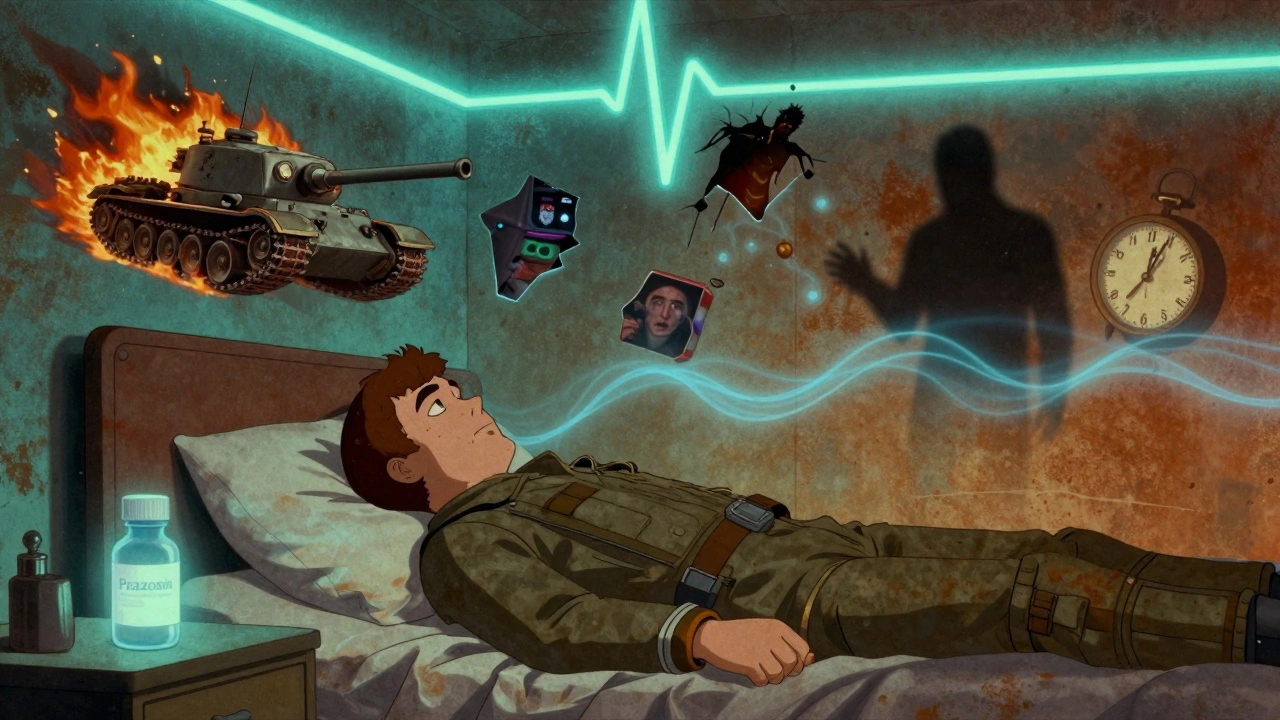
PTSD nightmares are common and debilitating. Learn how prazosin and sleep therapies like CBT-I and IRT work, what the research says, and which options actually lead to lasting recovery.




©2026 rxmedicin.su. All rights reserved
15