
When it comes to generic medicines, affordable versions of brand-name drugs that meet the same safety and effectiveness standards. Also known as non-brand drugs, they make up over 90% of prescriptions in the U.S. and are key to lowering healthcare costs without cutting corners on care. In November 2025, we looked at how these drugs are approved, substituted, and sometimes denied by insurers — and how you can fight back when coverage gets stuck.
One big issue this month was drug interactions, when two or more medications affect each other in ways that change how they work or increase side effects. For example, combining SSRIs with blood thinners raises bleeding risk by 33% in the first month — a danger many patients don’t know about. These aren’t rare edge cases. They happen every day in homes, clinics, and pharmacies. We broke down how pharmacokinetic and how drugs are absorbed, broken down, or removed by the body. Also known as drug metabolism interactions differ from pharmacodynamic interactions, when drugs act on the same body system and amplify or cancel each other’s effects. Also known as effect-based interactions, so you can spot red flags before they become emergencies.
For older adults, the stakes are higher. Diuretics, commonly used for high blood pressure or heart issues, can lead to dehydration and kidney injury if fluid intake isn’t managed. We shared simple steps to avoid hospitalization — like recognizing early signs of dry mouth, dizziness, or confusion — and how to talk to your doctor about adjusting doses. Meanwhile, patients managing chronic conditions like MS learned how to tell the difference between a real relapse and a pseudorelapse triggered by heat or stress. Steroids aren’t always the answer, and knowing why can save you from unnecessary treatment.
Another major focus was access. We explained how biosimilars, highly similar versions of complex biologic drugs like those used for rheumatoid arthritis or cancer. Also known as biologic generics can sometimes be automatically swapped by pharmacists — but only if they’re labeled as "interchangeable" by the FDA. Most aren’t. And state laws vary. We gave you the exact rules so you know when you’re getting a true substitute and when you’re not.
And then there’s the quiet crisis: allergic reactions. Latex gloves spread allergens in hospitals, affecting up to 12% of healthcare workers. Food allergies can turn a baby’s diaper rash into a stubborn, cream-resistant problem. Even blood pressure meds like azilsartan can trigger rare but serious reactions. We showed you how to spot the signs — swelling, hives, trouble breathing — and what to do next.
This month’s collection isn’t about theory. It’s about what you can do right now. Whether you’re trying to appeal a denied generic prescription, choosing between gabapentin and pregabalin for nerve pain, or deciding if your elderly parent needs the shingles vaccine, the answers are here — clear, backed by data, and free of jargon. No fluff. No guesswork. Just what matters.
 29 November 2025
The EU's generic drug system uses four approval paths with major 2025 reforms to speed up access. Learn how bioequivalence rules, national differences, and new regulations impact market entry and pricing.
 28 November 2025
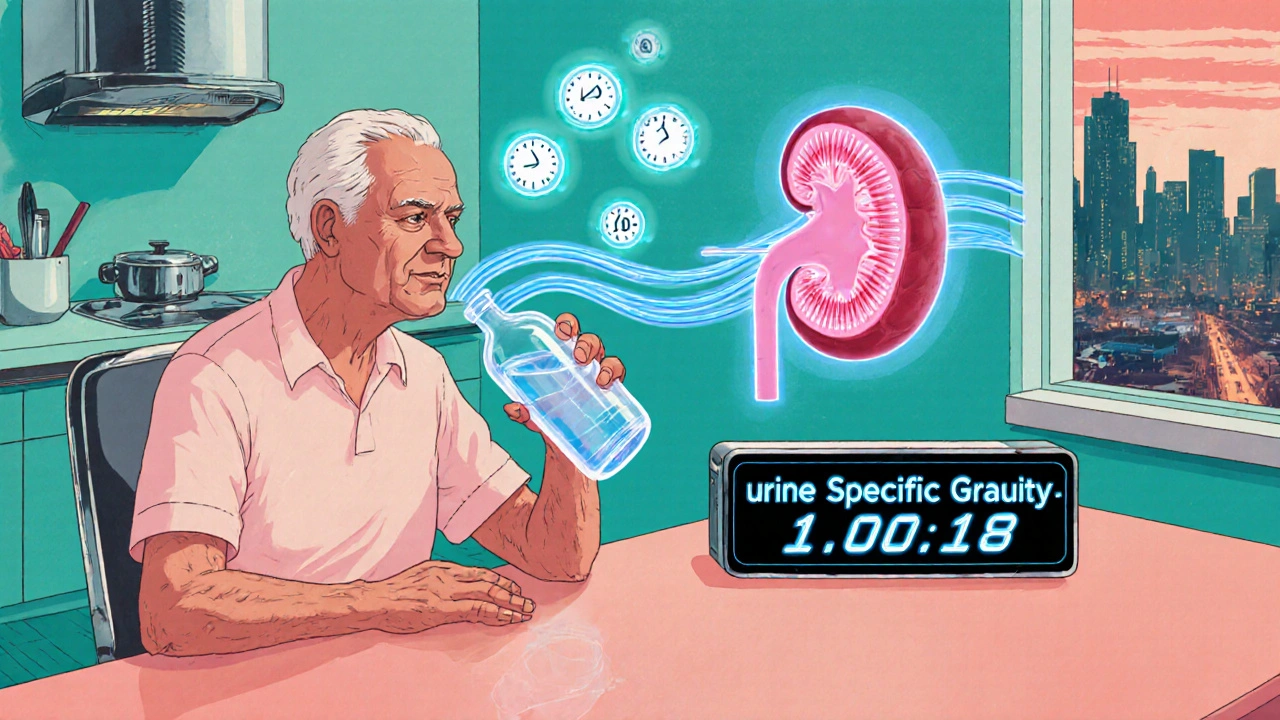
Elderly people on diuretics face a high risk of dehydration and kidney injury. Learn how to recognize early signs, adjust fluid intake, and prevent hospitalization with simple, proven strategies backed by current medical research.
 27 November 2025
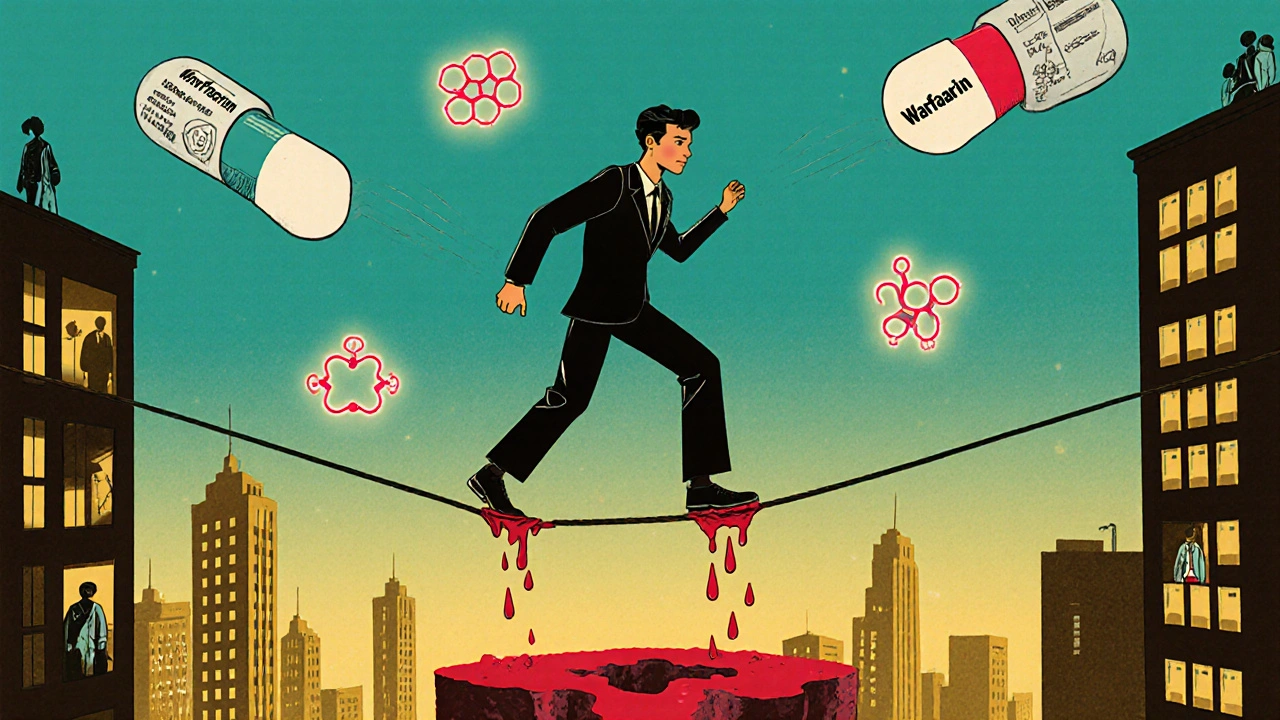
Combining SSRIs with anticoagulants increases bleeding risk by 33%, especially in the first month. Learn why, where it happens, and how to stay safe.
 26 November 2025
Shingrix is the only shingles vaccine recommended in the U.S. as of 2025. Learn who should get it, when to get the two doses, how effective it is, and what to expect after vaccination.
 24 November 2025
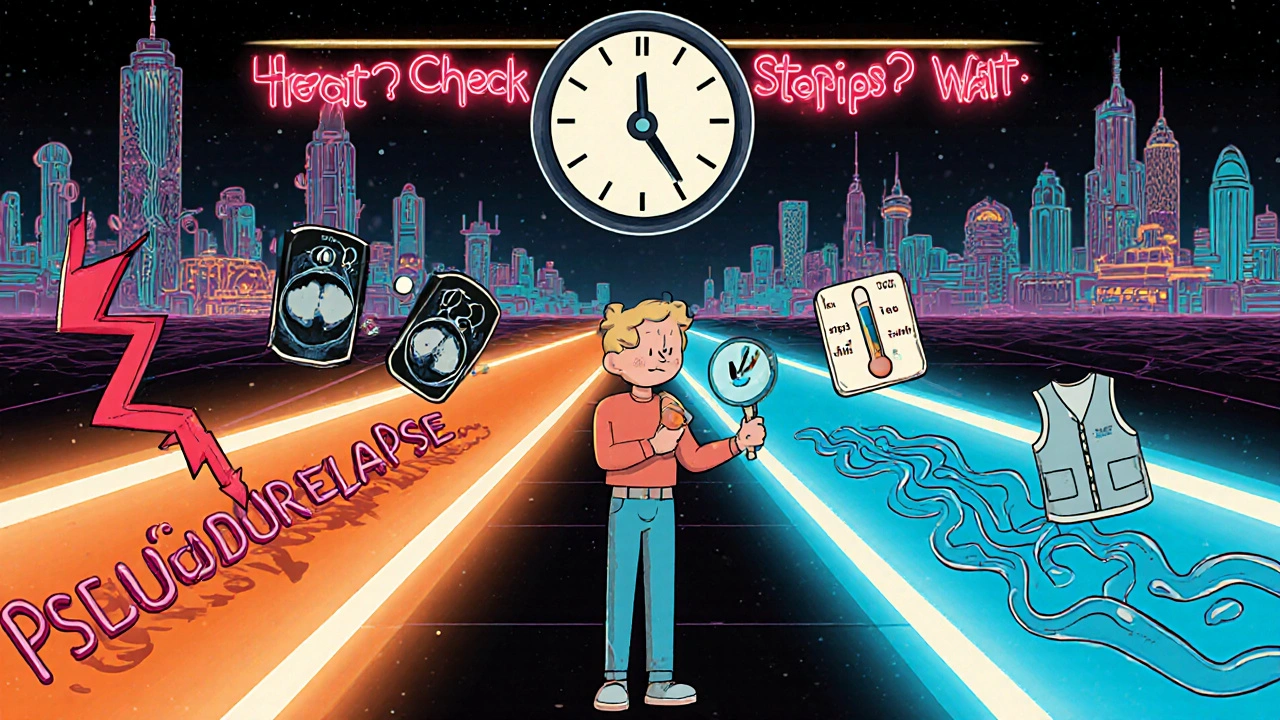
Learn how to tell the difference between a true MS relapse and a pseudorelapse, what triggers each, and why steroids aren't always the answer. Avoid unnecessary treatments and protect your health with smart, evidence-based steps.
 23 November 2025
Latex allergy affects 1-2% of the population and up to 12% of healthcare workers. Learn about cross-reactive foods, how powdered gloves spread allergens, and how workplaces can create safe environments with non-latex alternatives.
 21 November 2025
Hyperacusis is a condition where everyday sounds feel painfully loud. Desensitization therapy is the most effective, non-invasive treatment that retrains the brain to tolerate noise. Learn how it works, who it helps, and why avoidance makes it worse.
 20 November 2025
Learn when and how biosimilars can be automatically substituted for biologic drugs in the U.S., including FDA rules, state laws, patient risks, and cost savings. Understand the difference between interchangeable and regular biosimilars.
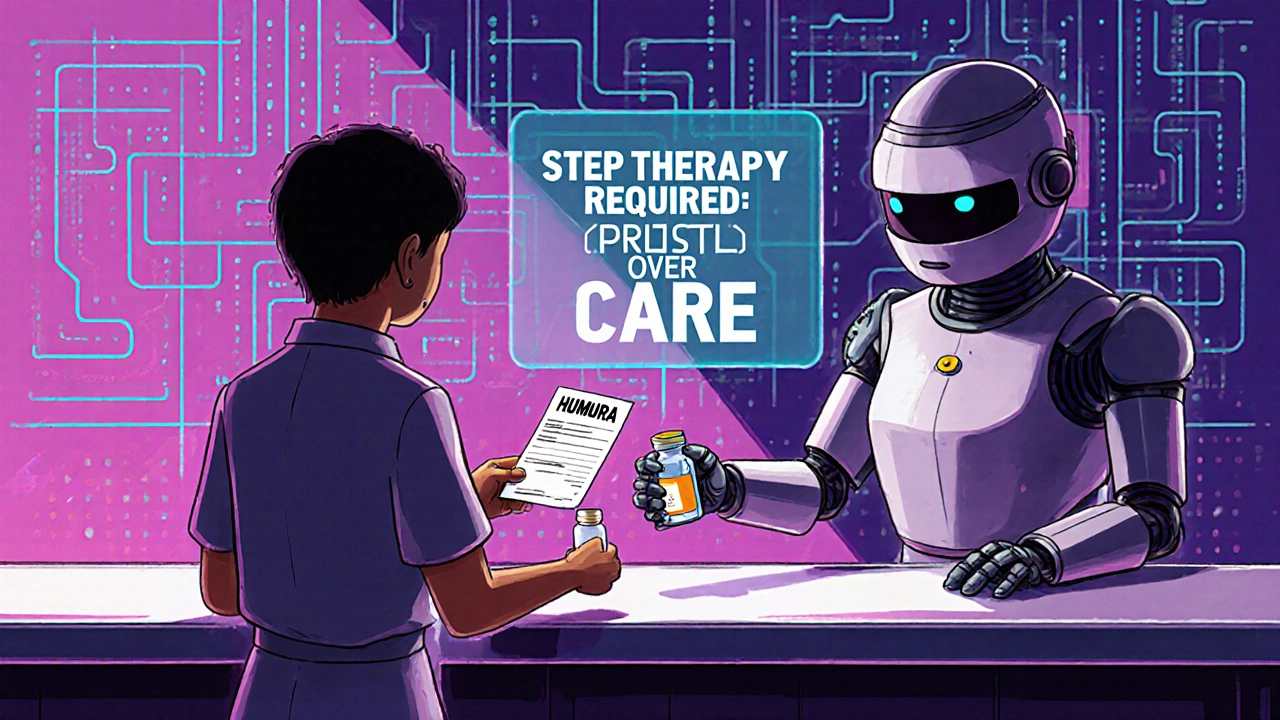 20 November 2025
Learn how to successfully appeal your insurance denial for generic medications with a step-by-step guide backed by real data, doctor tips, and proven strategies to get your prescribed drug covered.
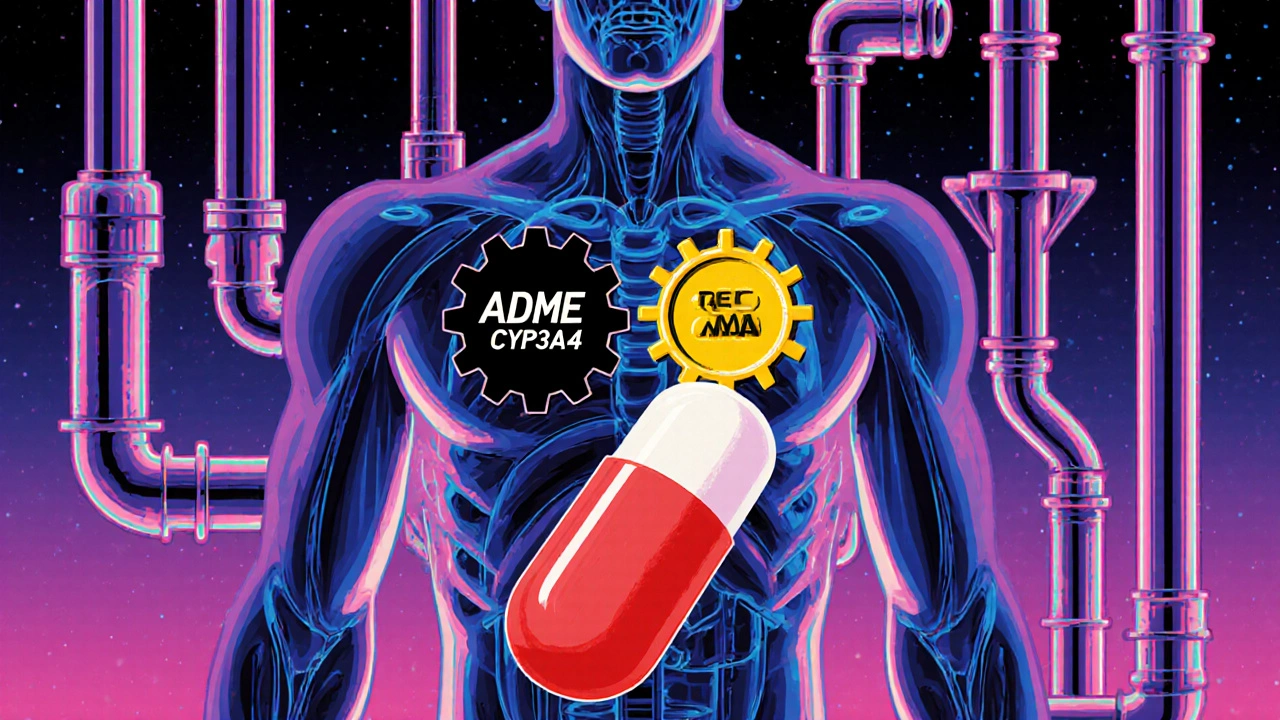 18 November 2025
Learn how pharmacokinetic and pharmacodynamic drug interactions work, why they matter for safety, and what you can do to avoid dangerous side effects when taking multiple medications.


©2026 rxmedicin.su. All rights reserved
8