
When you take a new medication, tracking side effects, the process of noticing and documenting unexpected or harmful reactions to drugs. Also known as adverse drug reactions, it’s not just a doctor’s job—it’s your key to staying safe. Many people ignore mild symptoms like dizziness, dry mouth, or odd fatigue, thinking it’s just "part of getting older" or "the pill adjusting." But those small signs can be early warnings of something serious—like internal bleeding from mixing SSRIs with blood thinners, or psychosis from high-dose steroids. You don’t need a medical degree to spot these. You just need to pay attention.
Side effects don’t always show up right away. Some appear after weeks, like kidney damage from diuretics in older adults, or worsening restless legs from antihistamines. Others are rare but dangerous, like allergic reactions to azilsartan or life-threatening overdoses of atomoxetine. Drug interactions, when two or more medications change how each other works in your body. Also known as medication conflicts, it’s one of the top reasons people end up in the ER. That’s why tracking isn’t just about writing down symptoms—it’s about connecting the dots. Did your nausea start after adding a new supplement? Did your mood swing coincide with a steroid course? Did your bleeding get worse after switching from brand to generic? These are the patterns that save lives.
Reporting side effects isn’t just paperwork. It’s how we find out that a common generic might cause rare liver issues, or that a popular antihistamine worsens nerve pain. The FDA’s MedWatch system relies on patients like you. Your report could be the one that triggers a warning, a dosage change, or even a drug recall. And it’s easier than you think: write down what happened, when, and what you were taking. Share it with your doctor. Submit it online. You don’t need to be an expert—just honest and consistent.
What you’ll find below are real stories and science-backed guides on how to do this right. From spotting the hidden dangers of DOACs in obesity to understanding why corticosteroids can trigger psychosis, these posts show you exactly what to watch for, when to act, and how to speak up. No fluff. No jargon. Just what matters: keeping you safe while you take the meds you need.
 4 December 2025
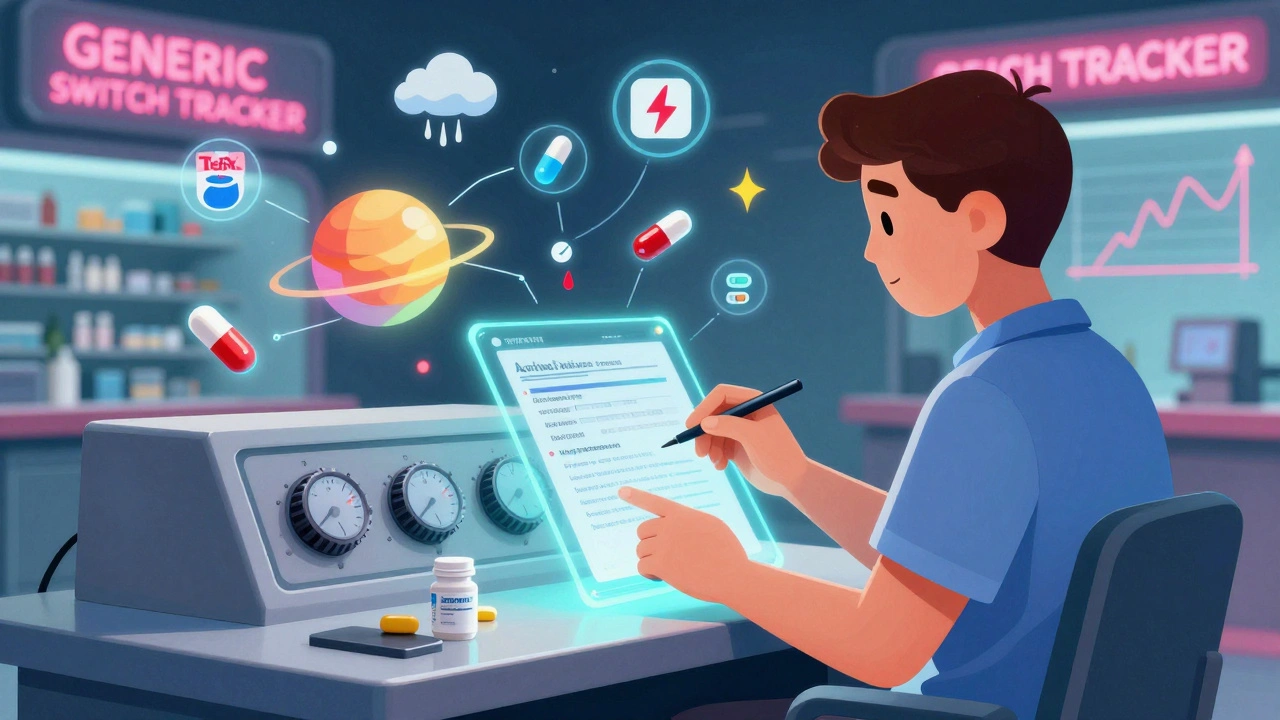
Keep a simple medication journal when switching to generic drugs to track side effects, effectiveness, and manufacturer changes - especially for thyroid, blood thinners, or seizure meds. Small differences can impact how you feel.




©2026 rxmedicin.su. All rights reserved
8