
When you hear SSRIs, selective serotonin reuptake inhibitors, a class of medications primarily used to treat depression and anxiety. Also known as antidepressants, they work by increasing serotonin levels in the brain—something your body naturally does, but often not enough in people with mood disorders. They’re not magic pills, but for millions, they’re the first step back to feeling like themselves again.
SSRIs don’t fix everything overnight. They take weeks to show real effects, and not everyone responds the same way. Some people feel better quickly; others need to try a few different ones before finding the right fit. That’s because serotonin, a key neurotransmitter that helps regulate mood, sleep, and appetite works differently in each person’s brain. SSRIs like fluoxetine, sertraline, and escitalopram all target serotonin, but their chemical makeup affects how fast they work and what side effects you might get.
Side effects are common at first—nausea, sleep changes, or feeling jittery—but they usually fade after a couple of weeks. Some people experience sexual side effects, which can be frustrating but are often manageable with dose adjustments or switching medications. It’s also important to know SSRIs aren’t addictive, but stopping them suddenly can cause withdrawal symptoms. That’s why doctors always recommend tapering off slowly.
SSRIs aren’t just for depression. They’re also used for anxiety disorders, OCD, PTSD, and even some physical conditions like chronic pain or premature ejaculation. But they’re not for everyone. If you’re pregnant, have bipolar disorder, or take certain other medications, your doctor needs to know. That’s why it’s never a good idea to start or stop one without medical guidance.
Below, you’ll find real-world advice on how SSRIs fit into daily life—what to expect when you start, how to handle side effects, what to ask your doctor, and how they compare to other treatments. These aren’t theoretical discussions. They’re based on what people actually experience, what doctors recommend, and what the latest research shows. Whether you’re just starting out or have been on one for years, there’s something here that can help you make smarter choices.
 27 November 2025
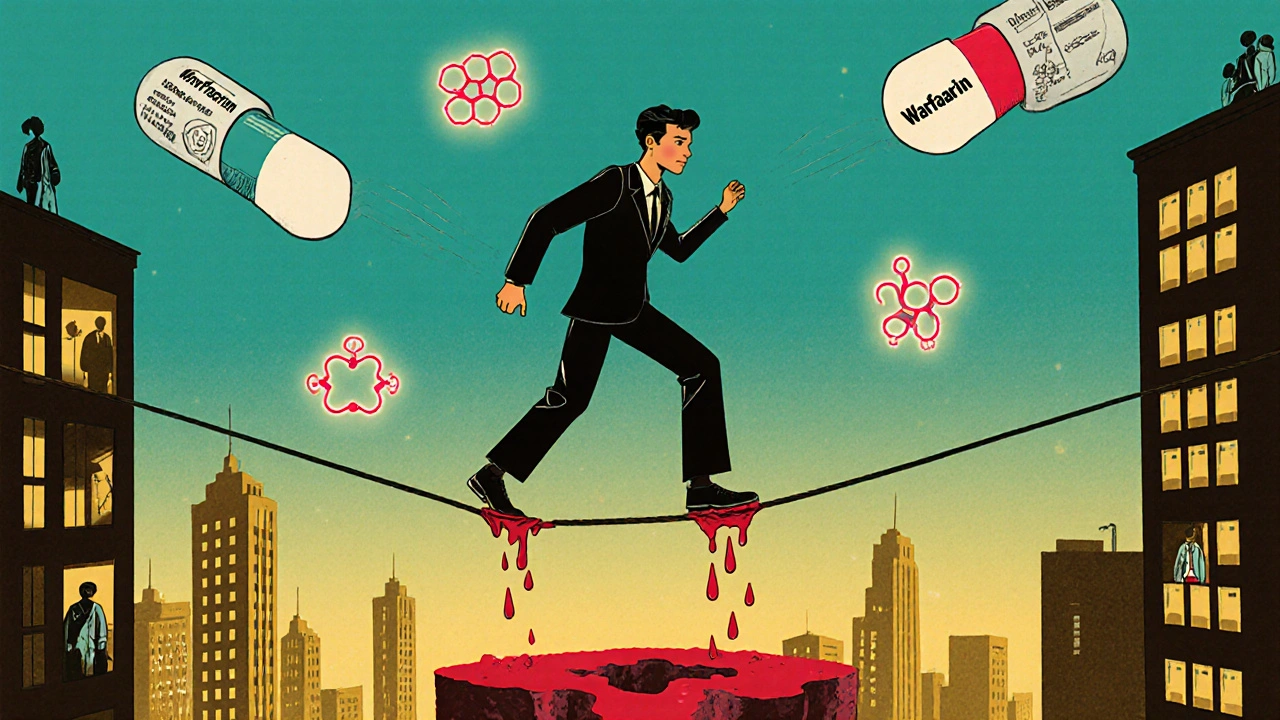
Combining SSRIs with anticoagulants increases bleeding risk by 33%, especially in the first month. Learn why, where it happens, and how to stay safe.
©2026 rxmedicin.su. All rights reserved




12