
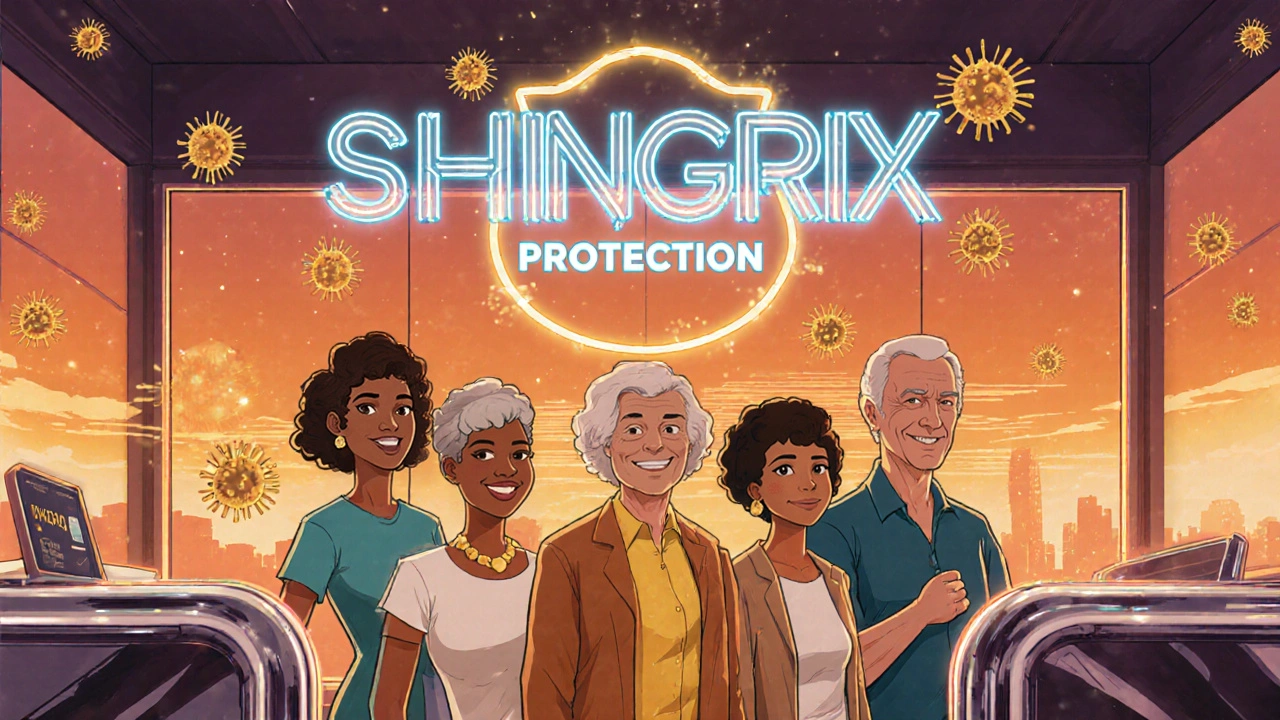
When you hear Shingrix, a two-dose vaccine designed to prevent shingles caused by the reactivation of the chickenpox virus. Also known as recombinant zoster vaccine, it’s not just another shot—it’s the most effective defense against a painful condition that can linger for months or even years. Shingles isn’t just a rash. It’s nerve pain so severe it can wake you up at night, make clothes unbearable to wear, or turn a light touch into agony. And if you’ve had chickenpox—which most adults have—you’re at risk. The virus stays hidden in your nerves for decades, then wakes up, often when your immune system slows down with age or stress.
Shingrix works differently than the old shingles vaccine, Zostavax. It doesn’t use a live virus. Instead, it gives your body a piece of the virus plus a powerful booster to trigger a strong, lasting immune response. That’s why it’s over 90% effective at preventing shingles, even in people over 70. The CDC recommends it for adults 50 and older, no matter if you’ve had shingles before or got Zostavax years ago. It’s also advised for adults 19 and up with weakened immune systems due to disease or medication. The two doses, given 2 to 6 months apart, are the key. Skipping the second shot cuts your protection in half.
Side effects? They’re real but short-lived. Most people feel soreness at the injection site, fatigue, or a mild fever for a day or two. A small number feel nauseous or get muscle aches. These aren’t signs the vaccine is working hard—they’re just your body reacting. The pain from shingles is far worse than any vaccine side effect. And if you’ve ever had shingles, you know how bad it gets. One person I spoke to said the pain felt like glass under her skin. She got Shingrix after her first outbreak and avoided a second one entirely.
Shingrix isn’t just for seniors. It’s for anyone who wants to avoid the long-term nerve damage called postherpetic neuralgia. That’s when pain sticks around after the rash clears. It affects 1 in 5 shingles patients and can last years. Some need daily painkillers, nerve blocks, or even antidepressants just to sleep. Shingrix slashes that risk by more than 90%. It’s also one of the few vaccines that’s covered by Medicare Part D and most private plans, often with no out-of-pocket cost.
What you won’t find in the ads is how many people miss the second dose. They feel fine after the first shot and think they’re protected. They’re not. That second dose isn’t optional—it’s what makes Shingrix work. And while you can’t get shingles from the vaccine, you can still get a mild rash near the injection site. That’s normal. It’s not contagious.
Below, you’ll find real-world advice from people who’ve dealt with shingles, side effects, insurance hurdles, and vaccine timing. You’ll see how Shingrix fits into broader topics like adult immunization, drug safety, and how vaccines interact with other medications. Whether you’re deciding whether to get it, wondering why your doctor pushed for it, or just trying to understand the fuss, this collection gives you the straight facts—no fluff, no marketing, just what matters.
 26 November 2025
Shingrix is the only shingles vaccine recommended in the U.S. as of 2025. Learn who should get it, when to get the two doses, how effective it is, and what to expect after vaccination.
©2026 rxmedicin.su. All rights reserved
12