
When you take a medication side effect, an unintended reaction to a drug that isn’t the intended therapeutic outcome. Also known as adverse drug reaction, it’s not a sign you’re doing something wrong—it’s a normal part of how drugs interact with your body. Even the safest pills can cause unexpected responses. Some people get a mild headache or dry mouth. Others might have a rash, dizziness, or worse. The key isn’t to avoid all side effects—it’s to recognize which ones need attention and which are harmless.
Not all side effects are created equal. A generic drug side effect, an unintended reaction to a generic version of a brand-name medication can feel different than the original, even if the active ingredient is identical. Small changes in fillers, binders, or manufacturing can affect how your body absorbs the drug. That’s why keeping a medication journal, a simple log of when you take drugs, how you feel, and any changes in symptoms matters. It helps you spot patterns—like whether your fatigue started after switching from one generic manufacturer to another.
Some side effects are common and mild. Others are rare but dangerous. For example, combining SSRIs, a class of antidepressants that affect serotonin levels with blood thinners can raise your risk of bleeding by 33%. Corticosteroids can trigger mood swings or even psychosis in older adults. And while most people tolerate antihistamines fine, some get so drowsy they can’t drive. These aren’t edge cases—they’re documented risks backed by real data.
What you do after noticing a side effect makes all the difference. If it’s annoying but not dangerous, talk to your pharmacist. If it’s severe—like swelling, trouble breathing, or sudden confusion—seek help immediately. And don’t assume your report won’t matter. adverse drug events, any harmful reaction to a medication that leads to harm or requires medical attention are tracked through systems like MedWatch. Your report helps regulators spot patterns before they become widespread problems.
Side effects aren’t just about the drug itself—they’re shaped by your age, weight, other meds, and even what you eat. Diuretics can dehydrate older adults. Obesity changes how blood thinners work. And food allergies can cause diaper rash in babies. There’s no one-size-fits-all answer, which is why tracking your own experience is so powerful.
Below, you’ll find real stories and data-backed guides on what to watch for, how to report problems, when to worry, and how to protect yourself when switching meds or taking multiple drugs. No fluff. No guesses. Just what works—and what doesn’t—based on actual patient experiences and medical research.
 26 December 2025
Learn how to report medication side effects to the FDA, why your voice matters, and how even one report can help make drugs safer for everyone. No jargon. Just clear steps.
 5 December 2025
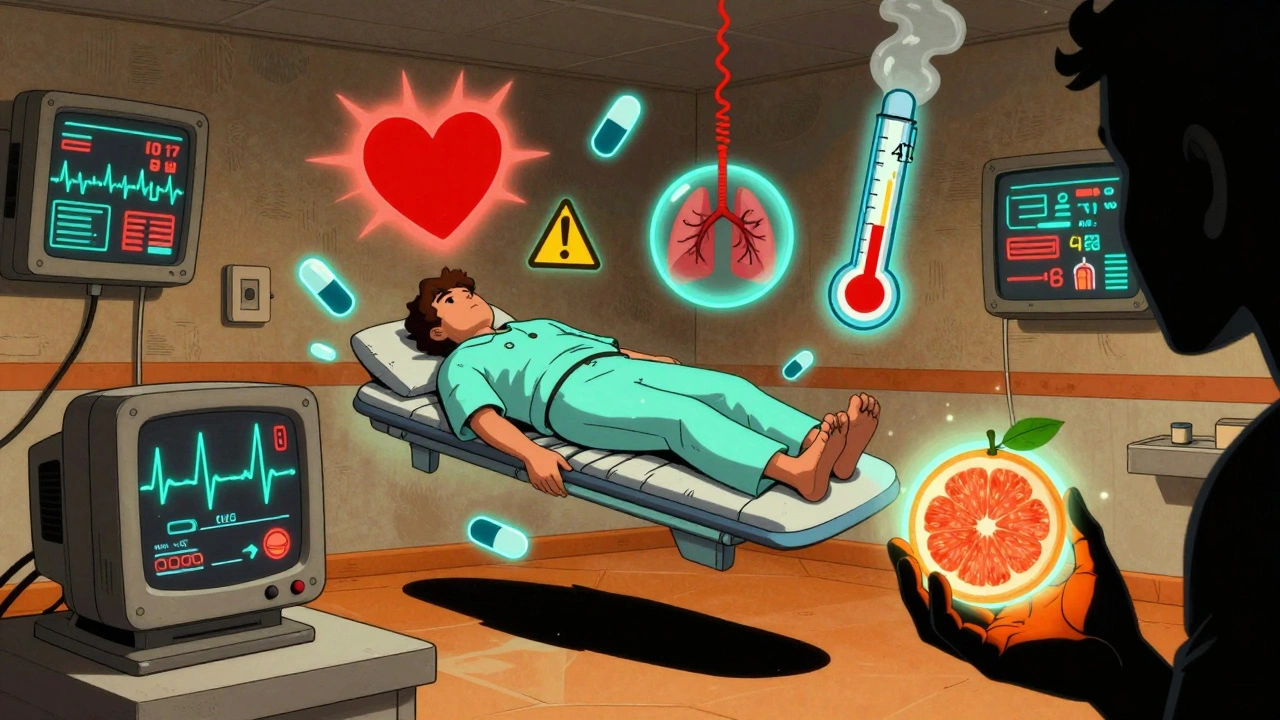
Learn when to seek emergency help for drug interactions - from life-threatening symptoms like seizures and breathing trouble to warning signs that need urgent medical attention within 24 hours.



©2026 rxmedicin.su. All rights reserved
8