
When your insurance appeal, the formal process of challenging a health insurer’s decision to deny coverage for a prescribed medication. Also known as pharmacy benefits appeal, it’s your legal right to push back when a drug you need is refused. This isn’t just paperwork—it’s often the only way to get life-changing medications like insulin, antidepressants, or specialty drugs for chronic conditions. Many people give up after the first denial, but over 50% of appeals succeed when done right. You don’t need a lawyer. You just need to know what to say and where to send it.
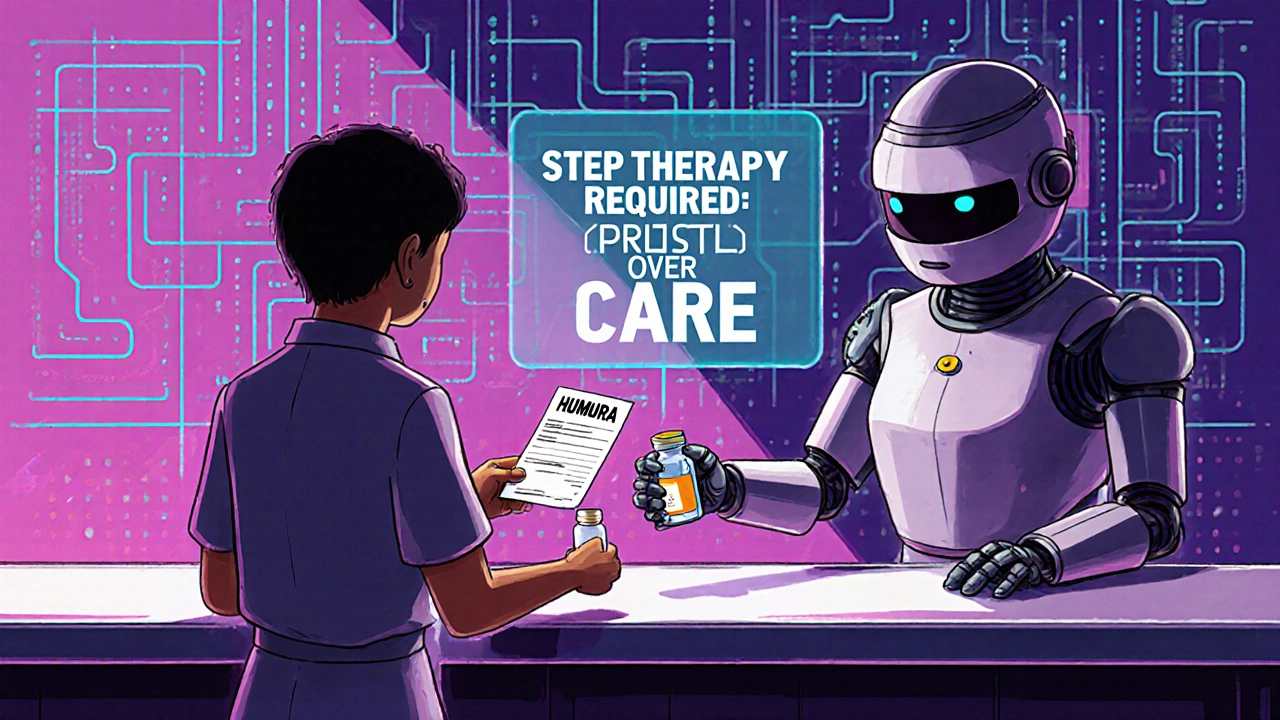
Insurers deny drugs for three main reasons: prior authorization, a requirement that your doctor proves the medication is medically necessary before coverage is approved, step therapy, a rule forcing you to try cheaper drugs first, even if they didn’t work for you before, or because the drug isn’t on their formulary, the list of approved medications the plan agrees to cover. These aren’t random decisions—they’re cost-control tactics. But they often ignore your medical history. That’s why your appeal needs to be personal, precise, and backed by evidence.
Your doctor’s letter is your strongest tool. It must state clearly why the denied drug is the only effective option for you, not just a preference. Include failed alternatives, side effects you’ve experienced, and clinical guidelines that support the choice. Attach lab results, specialist notes, or even prior approval letters from other insurers. Don’t just say "it works better." Say "I tried three other drugs over six months. Each caused severe dizziness or worsened my kidney function. This one is the only one that stabilized my condition."
Timing matters. Most plans give you 60 to 180 days to appeal after a denial. Miss that window, and you lose your right to challenge it. Call your insurer’s member services, get the denial reason in writing, and note the exact deadline. Keep copies of everything—emails, letters, call logs. If your appeal is denied again, you can request an external review by an independent third party. That’s your final step before legal action.
What you’ll find in these articles isn’t theory. It’s real advice from people who’ve been through it. You’ll learn how to decode confusing insurance jargon, what phrases trigger automatic denials, and how to turn a generic rejection letter into a win. There are guides on writing appeals for rare conditions, how to handle appeals for generic substitutions that failed, and what to do when your insurance refuses to cover a drug because it’s "not first-line." Some posts even show you how to use FDA labels and clinical trial data to prove your case. This isn’t about luck. It’s about knowing the system—and how to beat it when it gets in the way of your health.
 20 November 2025
Learn how to successfully appeal your insurance denial for generic medications with a step-by-step guide backed by real data, doctor tips, and proven strategies to get your prescribed drug covered.



©2026 rxmedicin.su. All rights reserved
11