
When your body’s cells stop responding properly to insulin resistance, a condition where cells fail to absorb glucose from the bloodstream despite normal or high insulin levels. It’s not a disease on its own—it’s the quiet engine behind type 2 diabetes, a chronic condition where blood sugar stays too high because the body can’t use insulin effectively. And it’s closely tied to metabolic syndrome, a cluster of conditions including high blood pressure, excess belly fat, and abnormal cholesterol that raise your risk for heart disease and diabetes. You might not feel it at first, but over time, insulin resistance forces your pancreas to pump out more insulin, burning it out until your body can’t keep up.
What causes it? Mostly lifestyle. Carrying extra weight, especially around your waist, makes your cells less sensitive to insulin. Eating too many refined carbs and sugary drinks floods your system with glucose, forcing your body to overproduce insulin. Lack of movement doesn’t help—muscles that don’t get used don’t absorb sugar well. Even sleep loss and chronic stress can mess with your hormones and make insulin resistance worse. The good news? It’s often reversible. Losing just 5-7% of your body weight, walking 30 minutes a day, and cutting back on processed carbs can bring your insulin levels back in line. Many people reverse it before they ever get diagnosed with prediabetes or diabetes.
And here’s the thing: insulin resistance doesn’t show up on a routine checkup unless your doctor tests for it. Fasting blood sugar or HbA1c might look normal, but a glucose tolerance test or insulin level check can reveal the problem early. That’s why people with polycystic ovary syndrome (PCOS), fatty liver, or a family history of diabetes should get checked—even if they feel fine. The posts below cover exactly how insulin resistance connects to medications, supplements, and daily habits. You’ll find real stories about tracking blood sugar changes after switching meds, how certain drugs can make it worse or better, and what actually works to lower insulin levels without pills. No fluff. Just what you need to understand your body and take action before it’s too late.
 8 December 2025
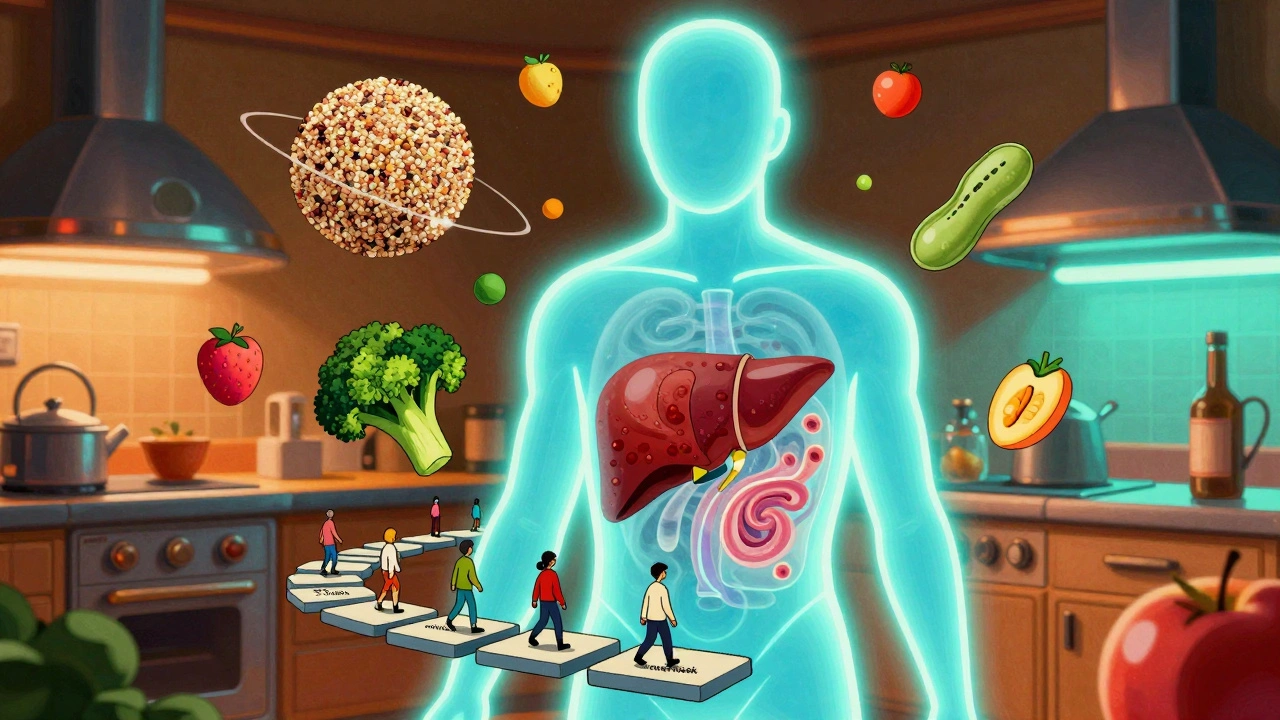
Prediabetes can be reversed with simple, science-backed lifestyle changes-no pills needed. Learn how diet, movement, sleep, and support can lower your blood sugar and prevent type 2 diabetes.

©2026 rxmedicin.su. All rights reserved
17