
When you show up at the pharmacy with a prescription for a generic medication, a lower-cost version of a brand-name drug approved by the FDA as equally safe and effective. Also known as generic drug, it is meant to save you money without sacrificing results.—and they say no—that’s generic medication denial. It’s not a mistake. It’s not a system glitch. It’s often a deliberate choice by the pharmacy, and it’s happening more than you think. You paid for the prescription. You have the paper or digital copy. The drug is on formulary. But they still won’t fill it. Why?
This isn’t about availability. Generic drugs are cheaper, widely stocked, and approved by the FDA. The issue usually comes down to pharmacy refusal policies, rules set by pharmacies or their parent companies that block automatic substitution of generics, insurance formulary restrictions, rules from your health plan that limit which generics can be dispensed, or even pharmacist discretion, when a pharmacist overrides a doctor’s prescription based on personal or financial bias. Some pharmacies push brand names because they make more profit. Others refuse to substitute because their software doesn’t support it. A few even claim they’re protecting you—saying generics might not work as well—even though the FDA says they’re identical in active ingredients, strength, and dosage.
What’s worse is that this isn’t always legal. In many states, pharmacists are required to substitute generics unless the doctor writes "dispense as written" or you specifically refuse. But enforcement is weak. Patients rarely push back. And when they do, they’re told it’s "company policy"—a vague excuse that shuts down the conversation. You’re left paying $150 for a brand-name drug when the generic costs $12. That’s not just inconvenient. That’s dangerous. People skip doses. They ration pills. They stop treatment altogether because they can’t afford it. And that’s exactly what some pharmacies count on.
But you’re not powerless. You can ask why. You can request the generic. You can file a complaint with your state pharmacy board. You can switch pharmacies. And you’re not alone—thousands of people face this every day. The posts below cover real cases where patients fought back, where pharmacists broke rules, where insurance companies blocked generics, and how to spot the red flags before you walk into the pharmacy. You’ll find guides on how to verify if your prescription can be substituted, what to say when they say no, and how to report pharmacies that violate the law. This isn’t about theory. It’s about getting the medication you’re entitled to—without paying more than you should.
 20 November 2025
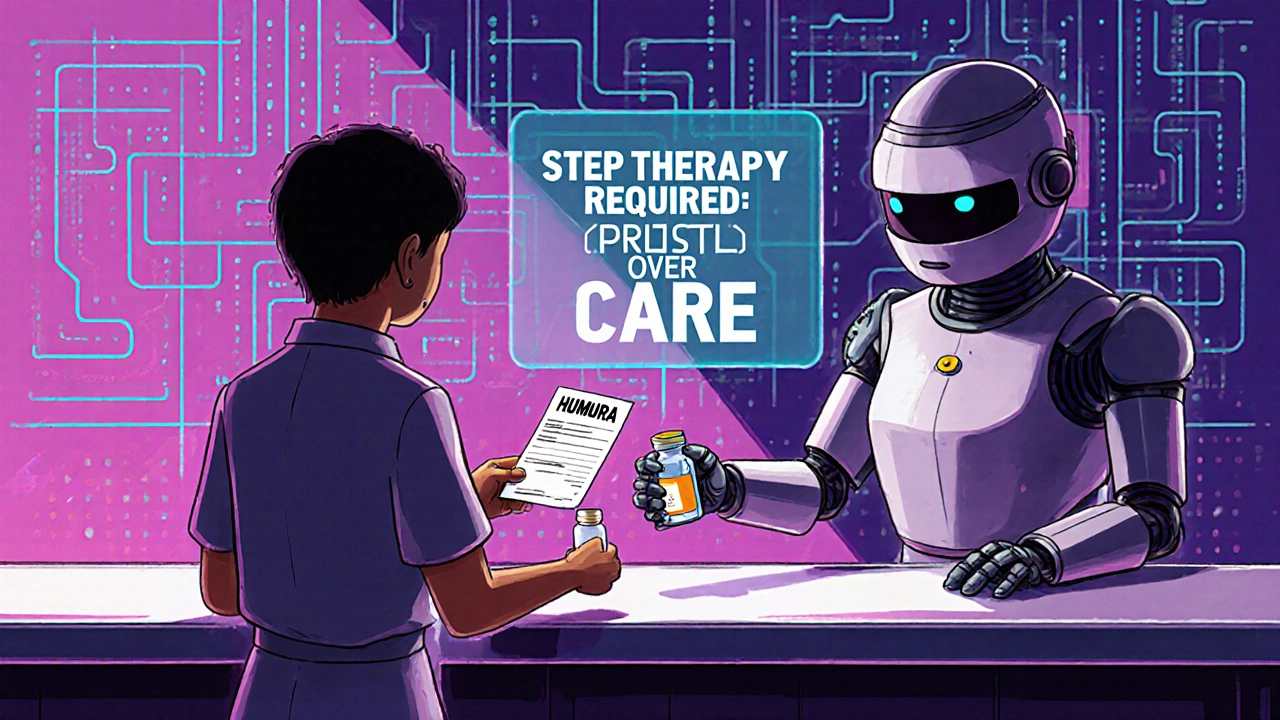
Learn how to successfully appeal your insurance denial for generic medications with a step-by-step guide backed by real data, doctor tips, and proven strategies to get your prescribed drug covered.



©2026 rxmedicin.su. All rights reserved
11