
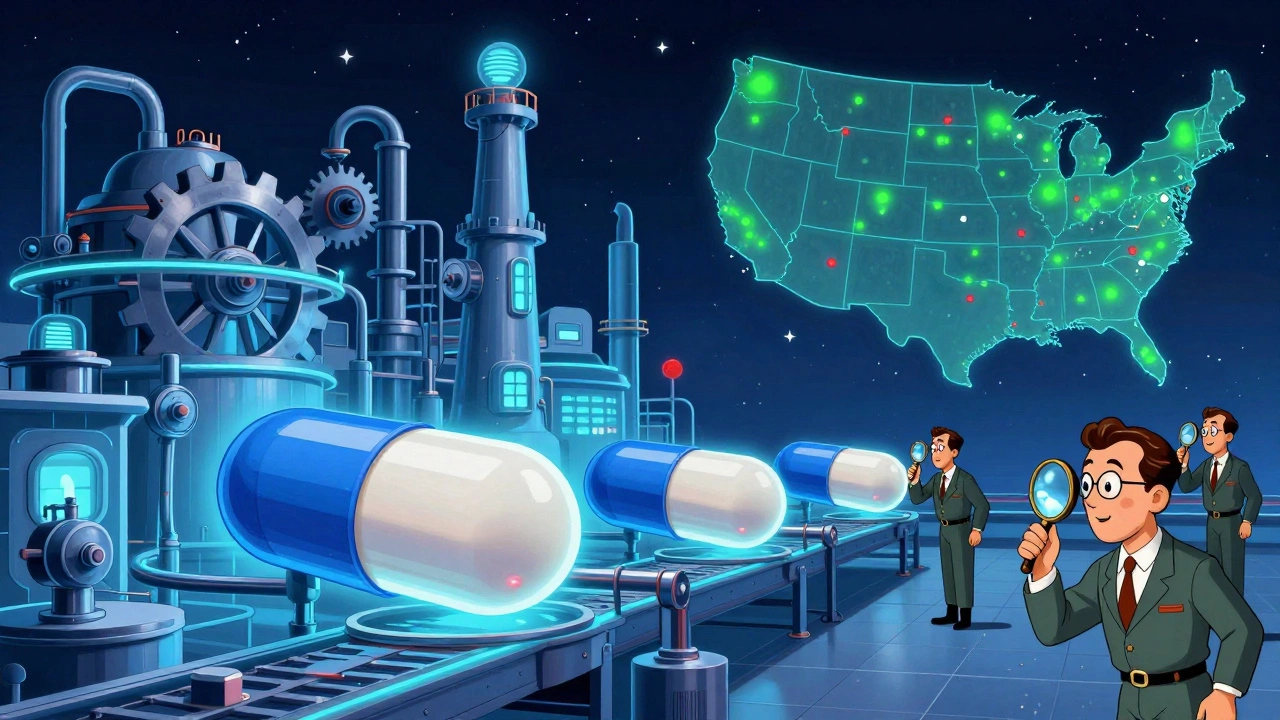
When you pick up a generic pill at the pharmacy, you’re holding a product shaped by a complex generic drug supply chain, the network of manufacturers, regulators, distributors, and pharmacies that delivers lower-cost versions of brand-name drugs to patients. Also known as generic pharmaceutical distribution, it’s not just about copying a formula—it’s about navigating legal loopholes, cost-cutting strategies, and corporate decisions that directly affect your wallet and health.
Behind every generic drug is a manufacturer, a company that produces the active ingredient under strict FDA or EMA guidelines to prove it works just like the brand-name version. But not all manufacturers are equal. Some make high-quality generics used by hospitals; others cut corners to win low-bid government contracts. Then there’s the authorized generic, a version made by the original brand company itself, sold under a different label to compete with other generics. These are identical to the brand drug but cost less because they skip advertising and fancy packaging. You might be taking one right now and not even know it.
The pharmaceutical distribution, the path from factory to pharmacy shelf, involves wholesalers, logistics firms, and rebate systems that can delay or block access to the cheapest options. Big pharma sometimes pulls older brand drugs off the market to force patients onto newer, pricier versions—a tactic called product hopping. Other times, they use patent tricks or REMS programs to delay generic entry. These moves don’t just affect prices—they affect whether you get the medicine you need at all.
What you get in your bottle depends on who makes it, where it’s made, and who’s pushing it through the system. A switch in generic manufacturers—even if the name stays the same—can change how you feel. That’s why keeping a medication journal, a simple log of side effects, effectiveness, and manufacturer changes matters, especially for drugs like blood thinners or thyroid meds. Small differences in fillers or absorption rates can add up.
And it’s not just about cost. The generic substitution, the process where a pharmacist swaps a brand drug for a generic unless the doctor says no is regulated differently in every state. Some allow automatic substitution; others require doctor approval. In the EU, new 2025 rules are speeding up approvals, but in the U.S., insurance denials and step therapy rules often block access—even when the generic is cheaper and just as effective.
What you’ll find below are real stories and facts from people who’ve navigated this system. You’ll learn how authorized generics cut costs, why some manufacturers get flagged for quality issues, how antitrust cases are trying to break up corporate blockades, and what to do when your insurance refuses to cover the generic you need. This isn’t theory—it’s the real path your medicine takes before it lands in your hand. And knowing that path can save you money, time, and even health.
 7 December 2025
The FDA's 2023-2025 changes to generic drug approvals prioritize U.S.-made medications to prevent shortages. Learn how the new pilot program speeds up approvals, impacts prices, and affects drug availability.



©2026 rxmedicin.su. All rights reserved
15