
When your body mistakes a harmless food for a threat, you’re dealing with a food allergy, an immune system overreaction to specific proteins in food that can trigger life-threatening symptoms. Also known as hypersensitivity reaction, it’s not just an upset stomach—it’s your body launching a full-scale defense against something like peanuts, shellfish, or eggs. Unlike food intolerance, which causes discomfort but isn’t immune-driven, a true food allergy can shut down breathing, drop blood pressure, or cause swelling in seconds.
This is where antihistamines, medications that block histamine, a key chemical released during allergic reactions come in. They help with mild symptoms like hives or itching, but they won’t stop anaphylaxis. That’s where epinephrine, the only medication that can reverse a severe allergic reaction becomes essential. People with known food allergies carry auto-injectors because waiting for antihistamines to work can be deadly. And here’s the catch: some common OTC allergy meds, like Benadryl, can interact with other drugs or even worsen conditions like restless legs or glaucoma. If you’re managing a food allergy and take other meds, you’re not just avoiding peanuts—you’re navigating a web of possible drug interactions.
Drug allergies are different from food allergies, but they overlap in how they’re treated. A reaction to azilsartan or any other medication can mimic food allergy symptoms: rash, swelling, trouble breathing. That’s why reporting unusual reactions—even if you think it’s "just a side effect"—matters. Your report helps others avoid the same danger. And if you’ve ever been told to avoid shellfish before surgery, that’s not superstition. Some anesthetics and muscle relaxants can trigger cross-reactions in people with certain allergies.
Managing food allergies isn’t just about reading labels. It’s about knowing what to do when something slips through. It’s about understanding when an antihistamine helps and when it’s too late. It’s about realizing that your epinephrine pen isn’t optional—it’s your lifeline. Below, you’ll find real-world guides on how to spot dangerous reactions, which medications are safe to use alongside your allergy plan, and how to avoid hidden triggers in everyday prescriptions and supplements.
 18 November 2025
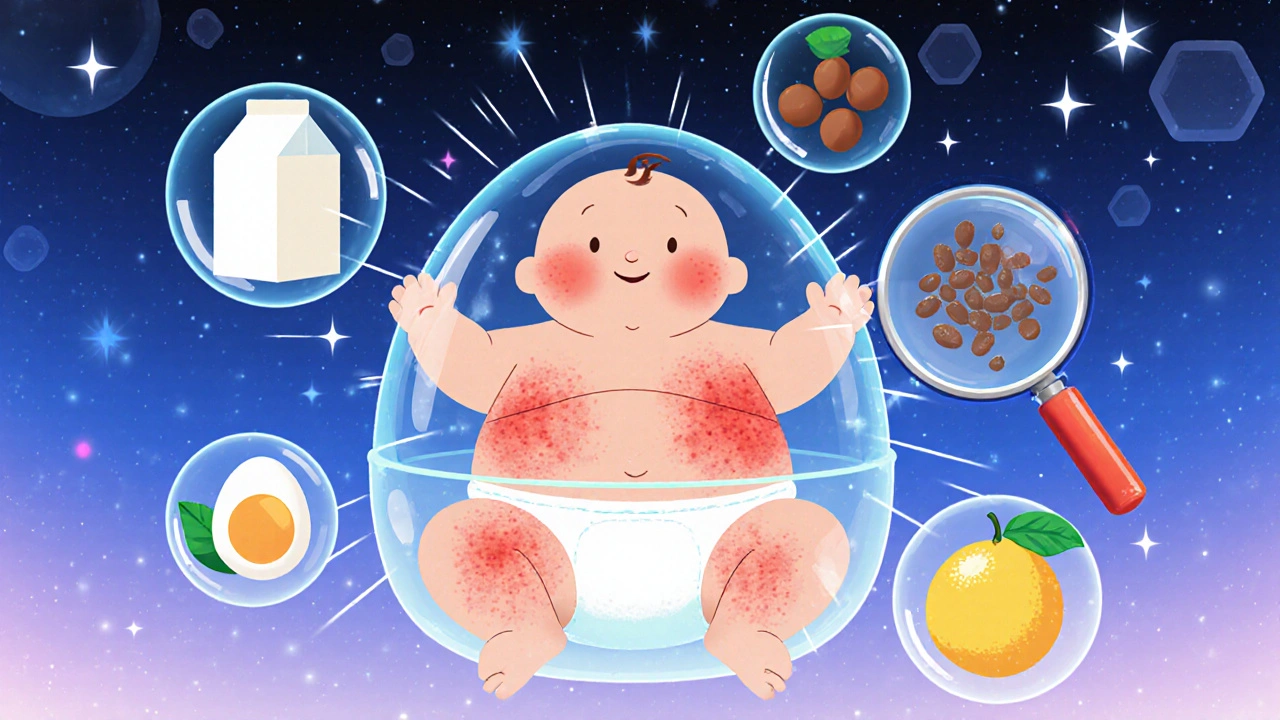
Diaper rash caused by food allergies doesn't respond to regular creams. Learn how to identify the trigger, eliminate it from your baby's diet, and heal the rash naturally with a step-by-step elimination approach.



©2026 rxmedicin.su. All rights reserved
12