
When the FDA generic approval, the process by which the U.S. Food and Drug Administration confirms a generic drug is identical in active ingredient, strength, dosage form, and performance to its brand-name counterpart. Also known as ANDA approval, it's the gatekeeper that lets you buy the same medicine for a fraction of the price. This isn’t just bureaucracy—it’s your pocketbook’s best friend. Every time you pick up a generic pill, you’re benefiting from a system that requires proof the drug works just like the brand, down to how fast it dissolves in your body.
That proof comes from bioequivalence, a scientific test that proves a generic drug delivers the same amount of active ingredient into your bloodstream at the same rate as the brand. It’s not about looking the same—it’s about performing the same. The FDA doesn’t require new clinical trials for generics. Instead, they rely on rigorous lab tests showing the drug’s absorption matches the original. If it passes, it gets the green light. But here’s the catch: not all generics are created equal in practice. Some patients report differences in side effects or effectiveness when switching between manufacturers—even when both are FDA-approved. That’s why keeping a medication journal, a simple log to track how you feel after switching to a new generic version. can help you spot subtle changes, especially with drugs like thyroid meds, blood thinners, or seizure treatments where tiny differences matter.
There’s also authorized generics, the exact same drug as the brand, made by the brand company and sold under a generic label. These skip marketing costs, so they’re often the cheapest option. But here’s what most people don’t know: big pharma sometimes blocks these by pulling older versions off the market or using legal tricks called "product hopping." That’s why FDA generic approval doesn’t always mean instant access to low-cost alternatives. The system works—when it’s not being gamed.
And safety? It’s built in. Every generic must meet the same strict manufacturing standards as the brand. The FDA inspects factories—both domestic and overseas—just like they do for brand-name drugs. If a generic causes a rare side effect, your report to MedWatch helps the agency spot patterns. You don’t need to be a doctor to make a difference.
Below, you’ll find real stories and practical guides on how generic approval affects your daily life—from why your insurance might deny a generic, to how to tell if a new batch is working differently, to what happens when a drug gets pulled from the market. These aren’t theory pieces. They’re what people actually experience when they switch from brand to generic. Read them. Use them. Save money. Stay safe.
 7 December 2025
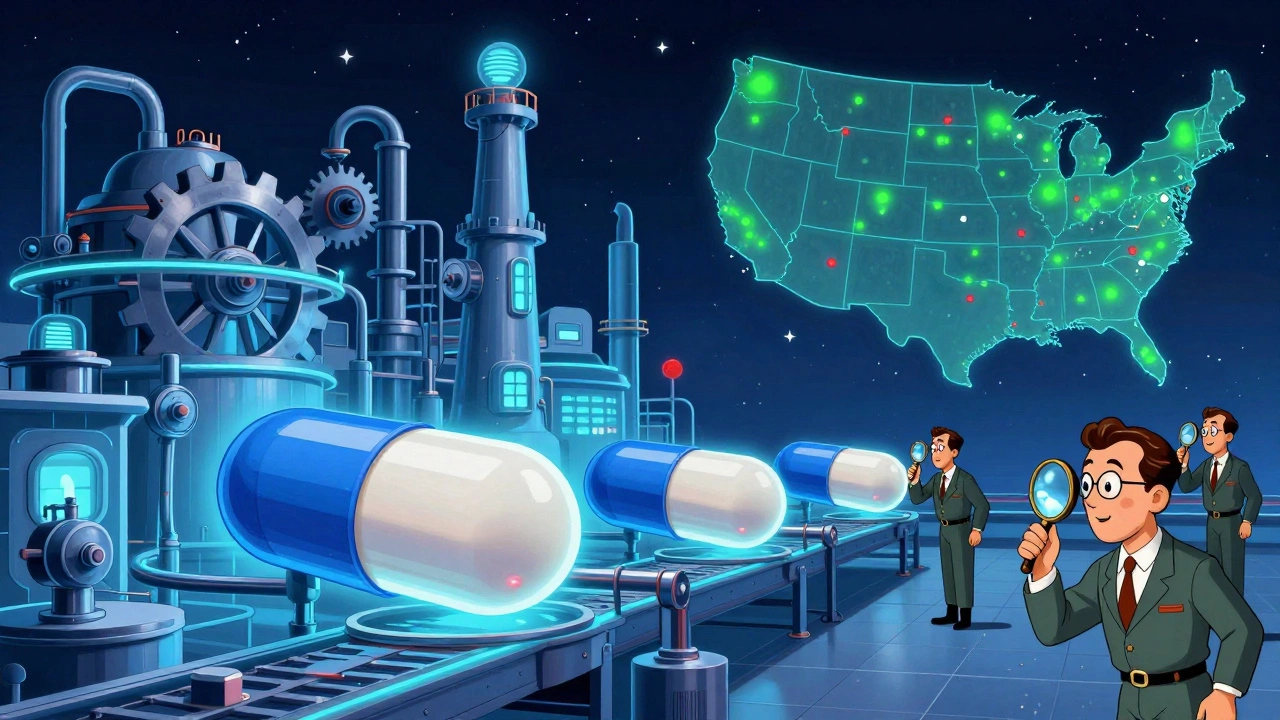
The FDA's 2023-2025 changes to generic drug approvals prioritize U.S.-made medications to prevent shortages. Learn how the new pilot program speeds up approvals, impacts prices, and affects drug availability.



©2026 rxmedicin.su. All rights reserved
15