
When the FDA drug shortages, instances when the U.S. Food and Drug Administration officially reports a lack of available prescription or over-the-counter medications. Also known as pharmaceutical supply gaps, these aren’t just inconveniences—they can delay life-saving treatments, force risky switches, and increase costs for patients. These aren’t rare glitches. In 2023 alone, over 300 drugs were on the FDA’s shortage list, including antibiotics, chemotherapy agents, and even basic IV fluids. It’s not just about running out of stock—it’s about broken supply chains, manufacturing failures, and economic decisions that put profits ahead of patient needs.
The core issue? generic drug manufacturing, the production of off-patent medications that make up over 90% of U.S. prescriptions. Most of these drugs are made overseas, often in just one or two factories. If one plant shuts down for quality issues—like contamination or failed inspections—the entire country feels it. And because generics make so little profit, companies don’t invest in backup systems. When a shortage hits, it’s rarely fixed quickly. Even small changes in raw material sourcing can trigger delays that last months. Meanwhile, drug pricing, how pharmaceutical companies set the cost of medications plays a role too. Low-margin generics get dropped first when companies focus on higher-paying brands. This isn’t about scarcity of ingredients—it’s about scarcity of incentive.
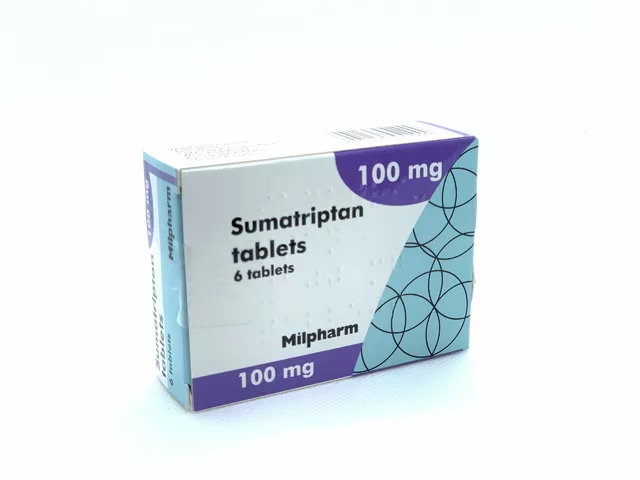
You might think switching to another brand or dose solves it, but that’s not always safe. Some drugs—like blood thinners, thyroid meds, or seizure drugs—need exact formulations. Even tiny differences in fillers or absorption rates can cause serious side effects. That’s why keeping a medication journal matters. If your pill looks different or you feel off after a refill, it could be a new manufacturer stepping in due to a shortage. The FDA tracks these changes, but patients often don’t hear about them until they’re already on the new version.
What’s on the list? Common shortages include antibiotics like amoxicillin, heart drugs like digoxin, insulin, and even simple painkillers like acetaminophen in liquid form for kids. It’s not random. These are drugs with low profit margins, complex manufacturing, or single-source suppliers. And when they disappear, you don’t just lose a pill—you lose predictability in your health routine.
There’s no magic fix, but awareness helps. Knowing which drugs are most at risk lets you plan ahead. Talk to your pharmacist before your refill is due. Ask if there’s a therapeutic alternative. Check the FDA’s shortage list yourself—it’s public. And if you’re on a critical drug that’s suddenly unavailable, report it. Your report helps the FDA track patterns and push for solutions. This isn’t just about big pharma or government policy—it’s about real people who need their meds on time. The system is fragile, but you’re not powerless.
Below, you’ll find real stories and practical guides from patients and experts who’ve navigated these gaps—how to track your meds, appeal insurance denials, spot dangerous substitutions, and protect yourself when the supply chain breaks down. These aren’t theoretical tips. They’re what people are using right now to stay healthy when the system lets them down.
 7 December 2025
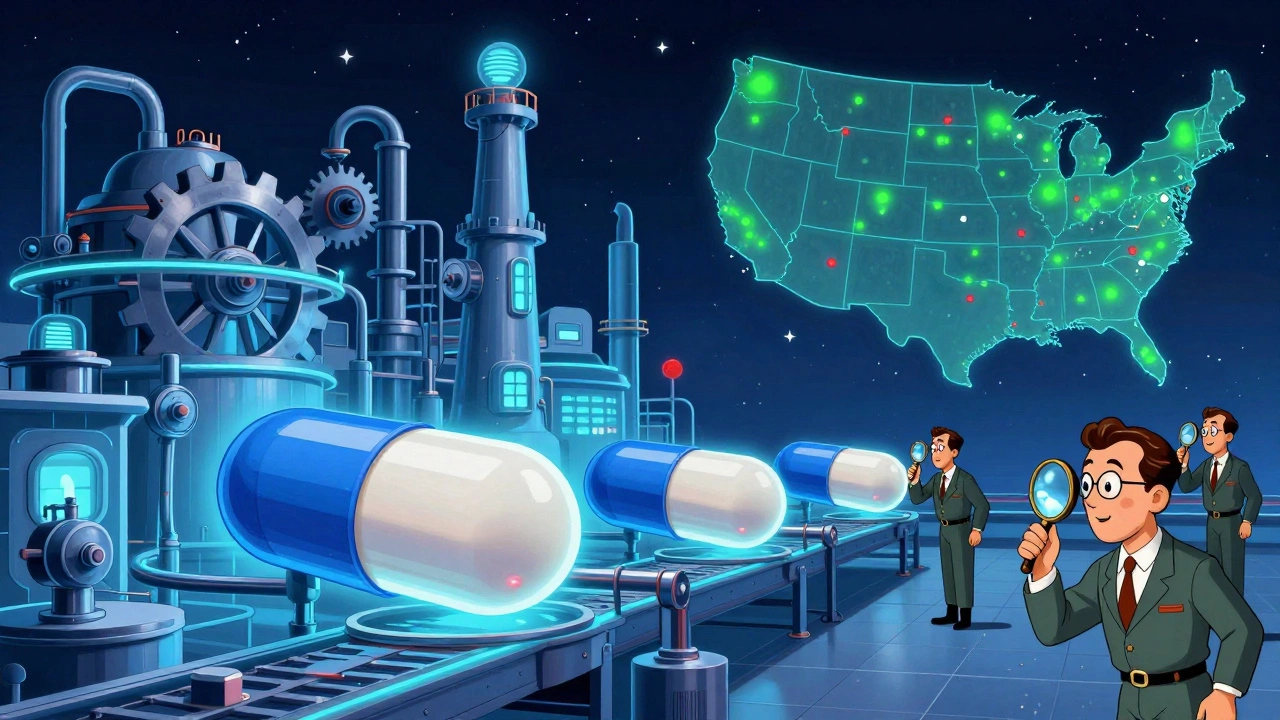
The FDA's 2023-2025 changes to generic drug approvals prioritize U.S.-made medications to prevent shortages. Learn how the new pilot program speeds up approvals, impacts prices, and affects drug availability.
©2026 rxmedicin.su. All rights reserved
15