
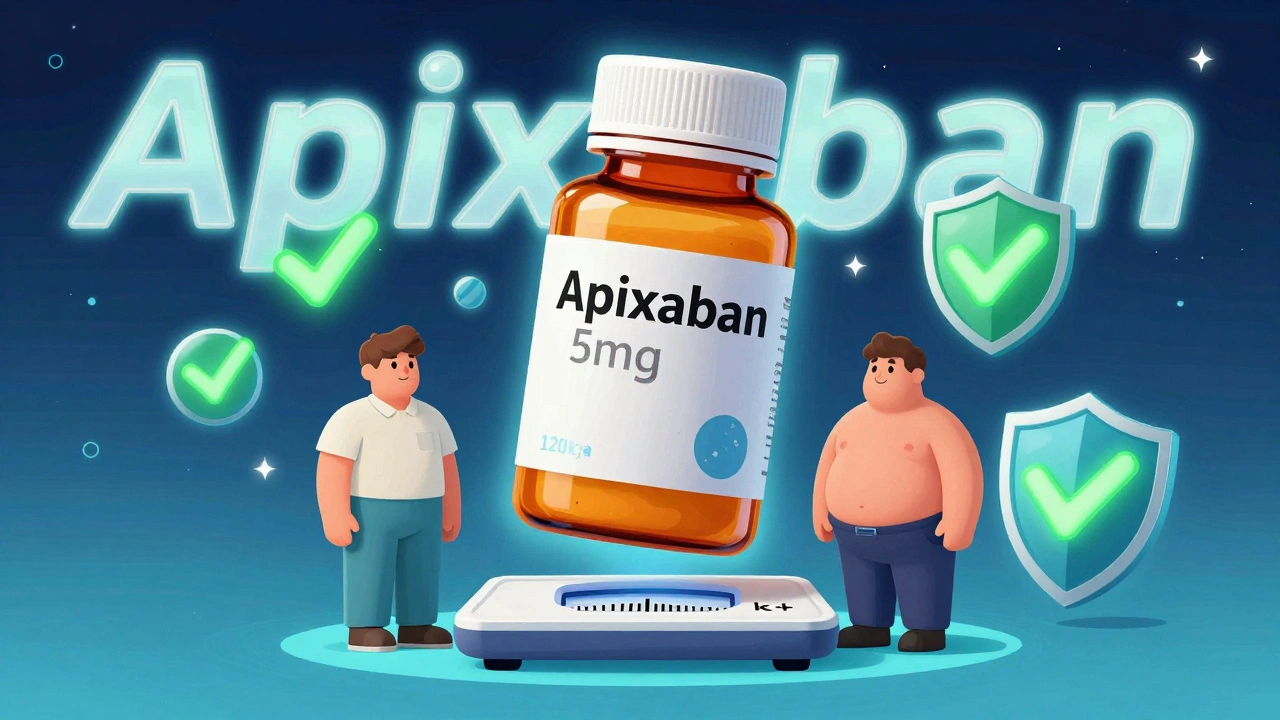
When you have direct oral anticoagulants, a class of blood thinners used to prevent clots without needing regular lab tests. Also known as DOACs, they include drugs like apixaban, rivaroxaban, dabigatran, and edoxaban—each with different ways the body handles them based on weight. For people with obesity, a condition defined by excess body fat that can change how medications are absorbed, distributed, and cleared, getting the right DOAC dose isn’t just about following a label. It’s about matching the drug to your body’s real needs.
Weight matters because fat tissue doesn’t just add pounds—it changes how your liver and kidneys process medicine. Studies show that people with a BMI over 30, especially those over 120 kg, may have lower drug levels in their blood if they take standard doses. That’s not theoretical. In real-world cases, patients with severe obesity on standard rivaroxaban or apixaban doses have had recurrent clots because the drug didn’t stay in their system long enough. On the flip side, some DOACs like edoxaban have clear weight-based cutoffs: if you weigh over 120 kg, the standard dose might not be enough. The FDA and European guidelines don’t universally require dose adjustments, but many cardiologists now check weight and kidney function together before prescribing.
It’s not just about the drug either. renal function, how well your kidneys filter waste and clear medications often declines with obesity, especially if diabetes or high blood pressure are also present. That means even if your weight suggests a higher dose, your kidneys might force you to lower it. And here’s the catch: there’s no single formula that works for everyone. Some doctors use ideal body weight, others use total body weight, and a few use adjusted body weight—each with different outcomes. The best approach? Talk to your provider about your exact weight, kidney numbers, and why you’re on the drug in the first place. If you’ve had a clot before, or if you’re on DOACs for atrial fibrillation, the stakes are higher. You don’t want to be under-dosed and risk a stroke—or over-dosed and bleed out from a simple fall.
The posts below dig into the real-world details: how DOACs interact with other meds, why some patients on weight-based dosing still have problems, what studies actually show about outcomes in obese patients, and how to track your response if your dose changes. You’ll also find links to related topics like drug interactions with SSRIs, how to report side effects from generics, and how to tell if your blood thinner is working—or not. This isn’t guesswork. It’s about knowing what your body needs and asking the right questions.
 4 December 2025
Learn how DOACs like apixaban, rivaroxaban, dabigatran, and edoxaban work in obese patients. Find out which ones are safe, which to avoid, and why standard doses still work-even for extreme obesity.



©2026 rxmedicin.su. All rights reserved
13