
When you take dabigatran, a direct oral anticoagulant used to prevent blood clots in people with atrial fibrillation or after hip or knee surgery. Also known as Pradaxa, it works by blocking thrombin—a key enzyme in clotting. But for all its benefits, it carries a real risk: GI bleeding, uncontrolled bleeding in the stomach or intestines. This isn’t rare. Studies show about 1 in 50 people on dabigatran will have some form of gastrointestinal bleeding within a year, especially if they’re over 75, have a history of ulcers, or take NSAIDs like ibuprofen.
What makes dabigatran different from warfarin is that it doesn’t need regular blood tests, but that also means you won’t get early warnings. The first sign of GI bleeding isn’t always bright red blood—it’s often subtle. Black, tarry stools. Unexplained fatigue. Dizziness when standing up. A sudden drop in hemoglobin during a routine checkup. These aren’t normal side effects. They’re red flags. And if you’re on dabigatran and notice any of these, don’t wait. Call your doctor. Don’t assume it’s just indigestion. The risk spikes even higher if you’re also taking SSRIs, antidepressants that reduce platelet function, or if you’ve had a past bleed. One study found combining dabigatran with SSRIs raised bleeding risk by 33% in the first month. Even something as simple as aspirin for heart protection can turn a manageable situation into an emergency.
It’s not just about the drug itself. Age, kidney function, and other meds matter just as much. People with reduced kidney clearance can’t clear dabigatran fast enough, leading to buildup. That’s why doctors check creatinine levels before prescribing it. And if you’ve had a GI bleed before? That’s a major warning sign. You might need a different blood thinner, like apixaban or rivaroxaban, which have lower GI bleeding rates in some populations. You also need to avoid alcohol heavily—especially binge drinking. It irritates the stomach lining and makes bleeding more likely. And never stop dabigatran cold turkey without talking to your doctor. Stopping suddenly raises your risk of stroke or clot-related heart attack.
What you’ll find in the posts below isn’t just theory. It’s real-world insight from people who’ve tracked side effects, fought insurance denials for safer alternatives, and learned how to spot early signs of trouble. You’ll see how drug interactions with SSRIs and other common meds increase bleeding risk. You’ll learn what to do when your body sends signals you can’t ignore. And you’ll find clear, no-fluff advice on how to protect yourself while still getting the clot protection you need. This isn’t about fear. It’s about awareness—and knowing exactly what to watch for when your life depends on it.
 4 December 2025
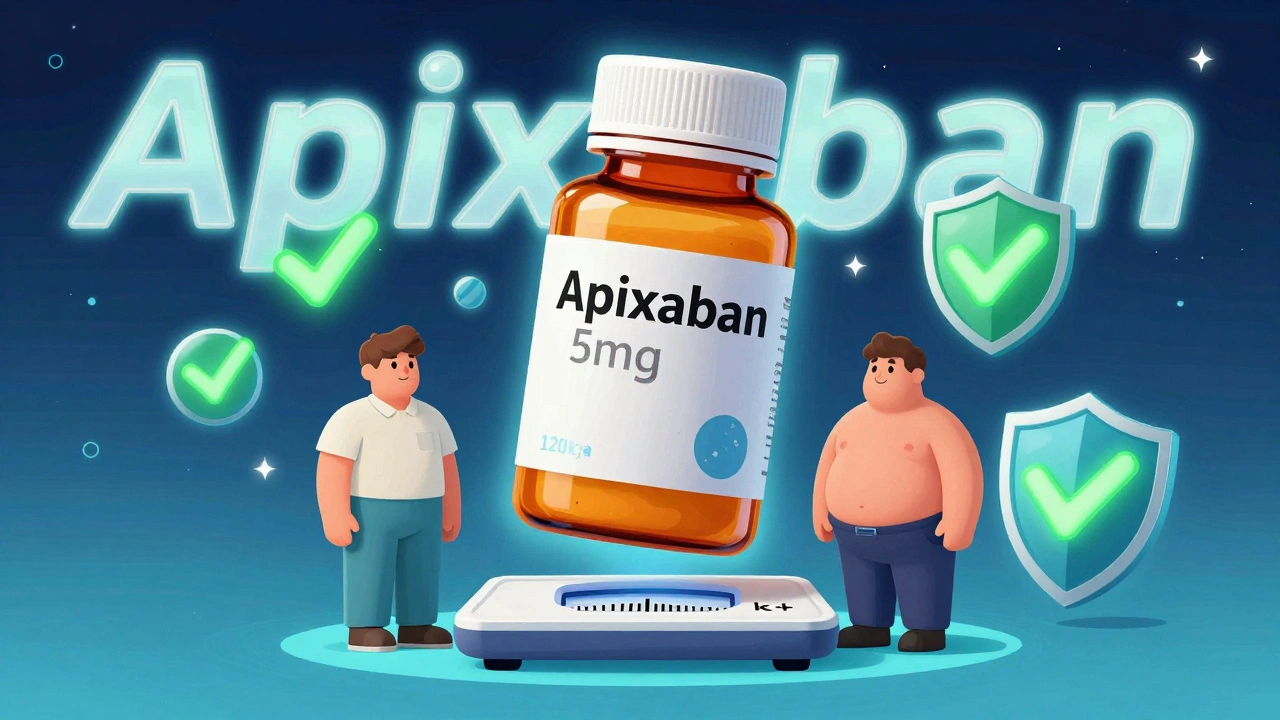
Learn how DOACs like apixaban, rivaroxaban, dabigatran, and edoxaban work in obese patients. Find out which ones are safe, which to avoid, and why standard doses still work-even for extreme obesity.



©2026 rxmedicin.su. All rights reserved
13