
When you’re sneezing, itching, or fighting runny eyes from seasonal allergies, Claritin, a non-sedating antihistamine used to treat allergy symptoms. Also known as loratadine, it’s one of the most widely used over-the-counter allergy meds because it works without making you drowsy. Unlike older antihistamines like Benadryl, Claritin doesn’t cross the blood-brain barrier easily, which is why most people don’t feel sleepy after taking it. That’s why it’s a go-to for people who need to stay alert—whether they’re driving, working, or caring for kids.
Claritin is part of a larger group called antihistamines, drugs that block histamine, a chemical your body releases during allergic reactions. Histamine causes swelling, itching, and mucus production—symptoms you know all too well if you’ve had hay fever or allergic rhinitis. Claritin stops those symptoms before they start, and its effects last up to 24 hours, so you only need one dose a day. It’s not a cure, but it’s a reliable tool to manage daily allergy triggers like pollen, dust mites, or pet dander.
Not all antihistamines are the same. Some, like diphenhydramine, make you tired and can even worsen conditions like restless legs syndrome. Claritin avoids those issues, which is why doctors often recommend it as a first-line option. But it’s not perfect for everyone. If you have liver problems, your body may not process it as quickly. And if you’re already taking other meds—like certain antibiotics or antifungals—you could run into a drug interaction. That’s why checking with a pharmacist before mixing Claritin with other pills matters.
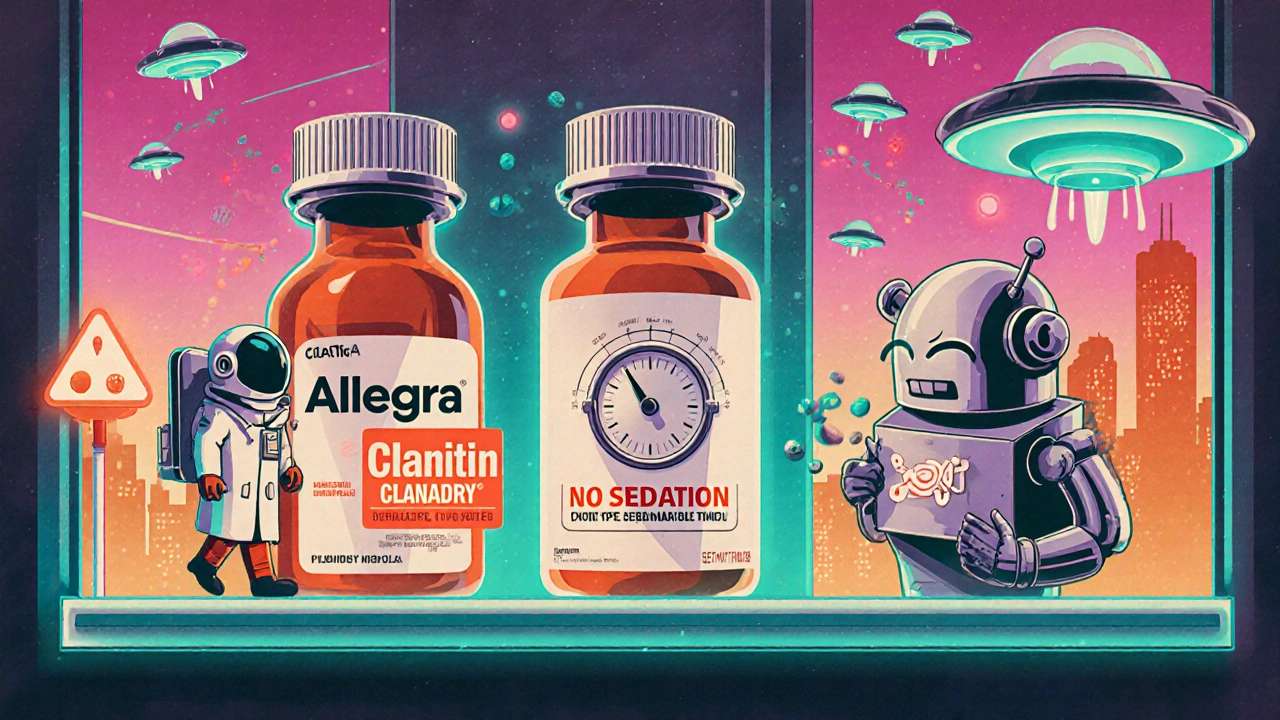
People often ask if Claritin works better than Zyrtec or Allegra. The truth? It depends on your body. Zyrtec might work faster for some, but it can cause drowsiness. Allegra is also non-sedating, but it’s less effective if you eat grapefruit. Claritin doesn’t have those food restrictions, which makes it simpler to use. For many, it’s the sweet spot between effectiveness and ease.
What you won’t find in most ads is that Claritin doesn’t help with nasal congestion on its own. That’s why you’ll see Claritin-D—this version adds a decongestant (pseudoephedrine) for stuffy noses. But that combo can raise blood pressure and cause jitteriness, so it’s not for everyone. If you only need relief from sneezing and itching, stick with plain Claritin.
There’s also the question of generics. Claritin is the brand name, but loratadine—the active ingredient—is sold under dozens of store brands at a fraction of the cost. The FDA says they’re identical in strength and safety. So unless you have a rare sensitivity to fillers or dyes, there’s no reason to pay more for the brand.
Some users report mild side effects like headache, dry mouth, or stomach upset, but serious reactions are rare. Still, if you get swelling of the face, trouble breathing, or a rash after taking it, stop immediately and get help. That’s not just an allergy flare-up—it could be a true drug allergy, similar to what’s seen with azilsartan or other meds.
Claritin is safe for most adults and kids over two, but dosage matters. Kids need lower amounts, and it’s not approved for infants under two. Always check the label, even if you’ve used it before. And if you’re pregnant or breastfeeding, talk to your doctor—while studies show low risk, individual cases vary.
What you’ll find in the posts below is a mix of real-world advice: how Claritin fits into broader allergy treatment, why some people find it ineffective, how it compares to natural remedies, and what to do when antihistamines alone aren’t enough. You’ll also see how it connects to other topics—like drug interactions, pediatric use, and alternatives for people who can’t tolerate it. This isn’t just a product page. It’s a practical guide for anyone who’s tired of being stuck in allergy season.
 12 November 2025
Learn how to choose the right OTC antihistamine for allergies, understand side effects like drowsiness, and use them safely every day. Compare Zyrtec, Claritin, Allegra, and Benadryl with real-world data.


©2026 rxmedicin.su. All rights reserved
12