
When your pharmacy gives you a different pill than what your doctor wrote on the prescription, it’s usually automatic substitution, the practice where a pharmacist replaces a brand-name drug with a chemically identical generic version without needing to contact the doctor. Also known as pharmacy substitution, it’s a standard part of how prescription systems cut costs—especially in the U.S. and other countries with high drug prices. This isn’t a mistake. It’s legal, common, and often happens automatically unless your doctor specifically writes "do not substitute" or "dispense as written."
Automatic substitution isn’t just about saving money—it’s tied to how insurance companies and pharmacies manage spending. Many insurers require you to try the cheapest version first, a process called therapeutic substitution, when a different drug from the same class is swapped in place of the prescribed one, even if it’s not the exact generic. For example, if you’re prescribed a brand-name blood pressure drug, your insurer might push you to a generic version of the same drug, or even a different generic from another manufacturer that works similarly. But this only works if the alternatives are proven to be equally safe and effective, which is why the FDA closely monitors generic drug approvals. Not all substitutions are equal. Some people notice differences in how a drug feels, even when the active ingredient is the same. That’s because fillers, coatings, or release mechanisms can vary between brands. A switch from one generic to another can sometimes cause side effects, or make a drug feel less effective, even if lab tests show the same chemical levels in your blood.
That’s why generic medication, a drug that contains the same active ingredient, dosage, and strength as a brand-name version but is sold at a lower price after the patent expires. Also known as brand-generic equivalent, it’s the backbone of cost-saving in modern pharmacy practice matters so much. You can save hundreds or even thousands a year by switching to generics—especially with drugs like metformin, lisinopril, or atorvastatin. But if you’ve had bad reactions before, or if your condition is sensitive to small changes (like epilepsy, thyroid disorders, or mental health treatments), automatic substitution might not be right for you. That’s where knowing your rights comes in. You can ask your pharmacist to explain why a substitution was made. You can request the original brand. And if your insurance denies coverage for the brand version, you can appeal—just like in the case of insurance denials for generic medications.
Automatic substitution isn’t always smooth, and it’s not always the best choice for everyone. But when done right, it keeps healthcare affordable without sacrificing safety. The posts below show real cases where substitution worked, where it didn’t, and how people fought back when their health was at stake. You’ll find guides on how to spot when a substitution happened, how to check if your generic is truly equivalent, and what to do when side effects appear after a switch. Whether you’re managing chronic pain, high blood pressure, or a mental health condition, understanding automatic substitution gives you power over your treatment—and your wallet.
 20 November 2025
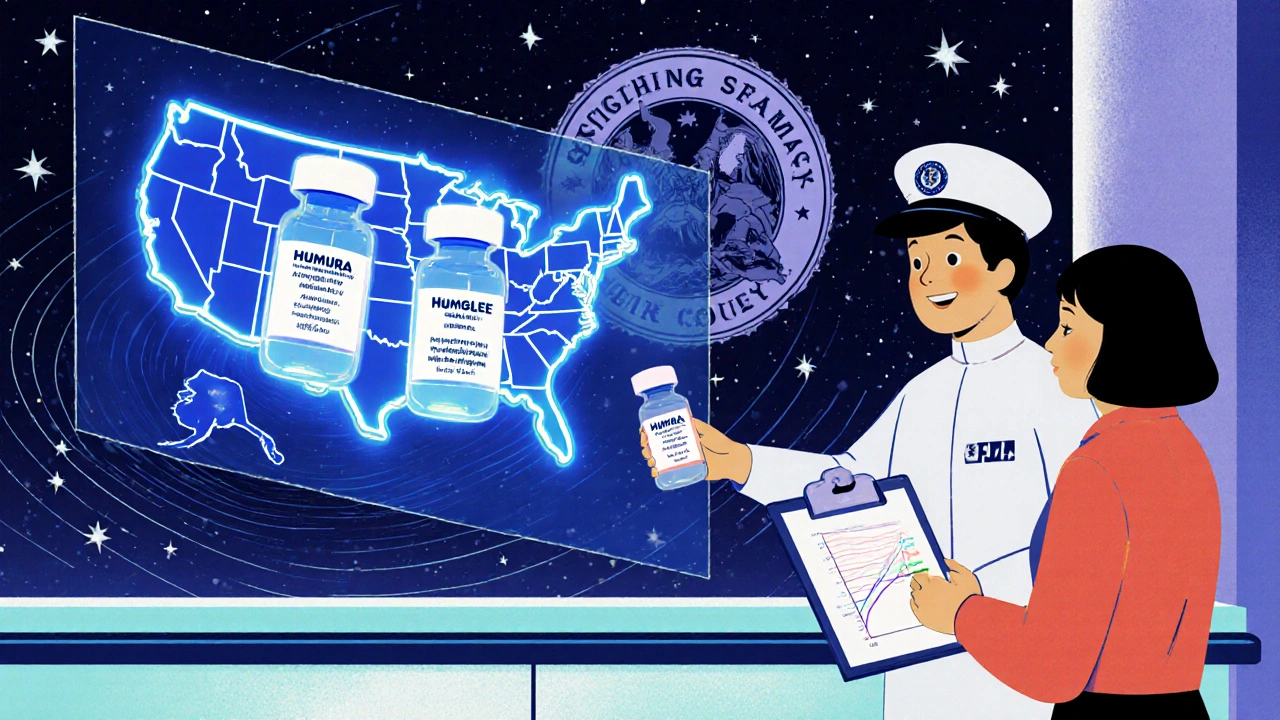
Learn when and how biosimilars can be automatically substituted for biologic drugs in the U.S., including FDA rules, state laws, patient risks, and cost savings. Understand the difference between interchangeable and regular biosimilars.


©2026 rxmedicin.su. All rights reserved
8