
When your blood clots too easily, it can block arteries or veins—leading to strokes, heart attacks, or pulmonary embolisms. That’s where anticoagulants, medications that slow down the blood’s ability to form clots. Also known as blood thinners, they don’t actually thin your blood—they interfere with the clotting process to keep it flowing safely. These drugs aren’t for everyone, but if you’ve had a clot before, have atrial fibrillation, or have a mechanical heart valve, they can be life-saving.
Not all anticoagulants work the same way. Some, like warfarin, an older oral anticoagulant that affects vitamin K, need regular blood tests to make sure the dose is just right. Others, like heparin, a fast-acting injectable often used in hospitals, work quickly but don’t require constant monitoring. Then there are newer options like apixaban and rivaroxaban—taken as pills, with fewer food and drug interactions. Each has trade-offs: cost, convenience, bleeding risk, and how easily they can be reversed if something goes wrong.
Anticoagulants don’t exist in a vacuum. They’re tied to other conditions you might have—like high blood pressure, kidney disease, or even allergies to certain ingredients. Some people on these meds also take diuretics or painkillers that can change how the anticoagulant works. And if you’re older, dehydration or changes in diet can throw off your balance. That’s why knowing your triggers matters. A rash from azilsartan? A reaction to an antihistamine? Even something as simple as switching from brand to generic can change how your body responds. These aren’t just theoretical risks—they show up in real patient stories, like those who had to appeal insurance denials for their meds or reported rare side effects through MedWatch.
What you’ll find here isn’t a textbook. It’s a collection of real-world insights: how people manage anticoagulants alongside other meds, what happens when drug interactions go unnoticed, and how to spot the early signs of trouble before it turns into an emergency. You’ll see how pharmacokinetic interactions affect clotting time, why some generic versions behave differently, and how diet, hydration, and even sleep can play a role. This isn’t about memorizing drug names. It’s about understanding how your body reacts—and what to do when things don’t go as planned.
 5 January 2026
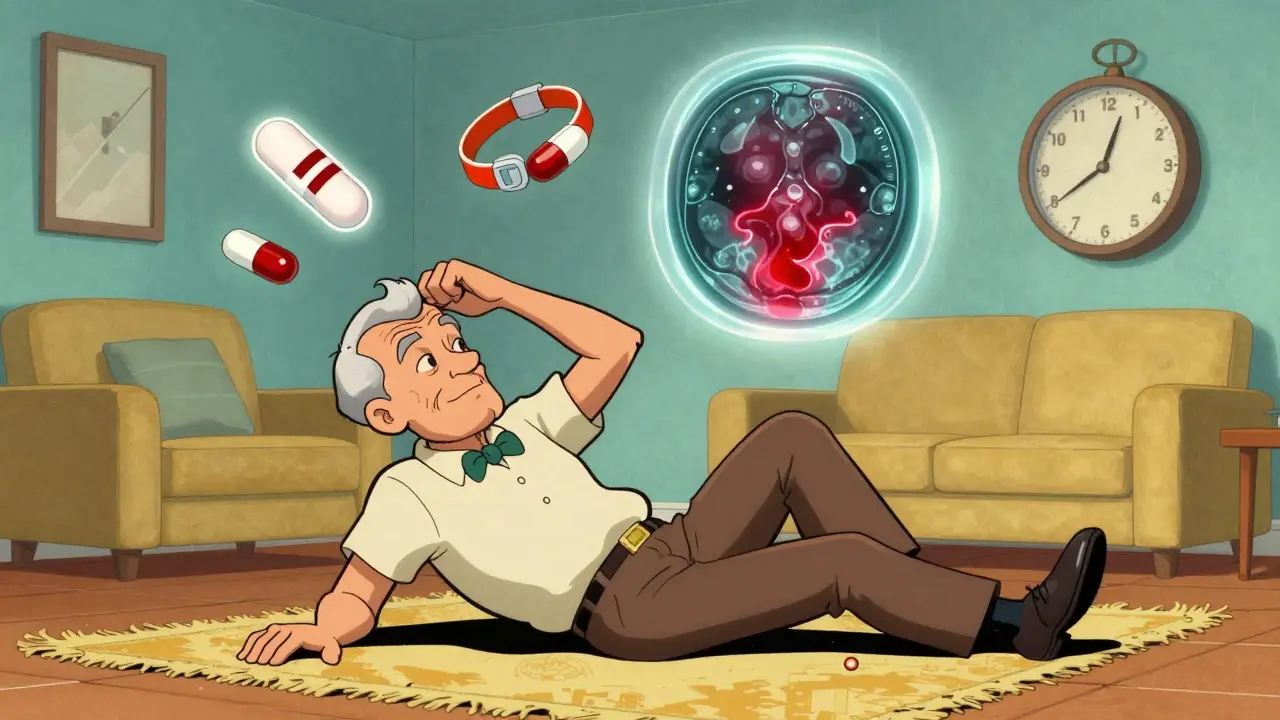
If you're on blood thinners and suffer a head injury, don't wait for symptoms. A CT scan is often needed immediately, even after minor trauma, because bleeding inside the skull can develop slowly and become life-threatening.
 27 November 2025
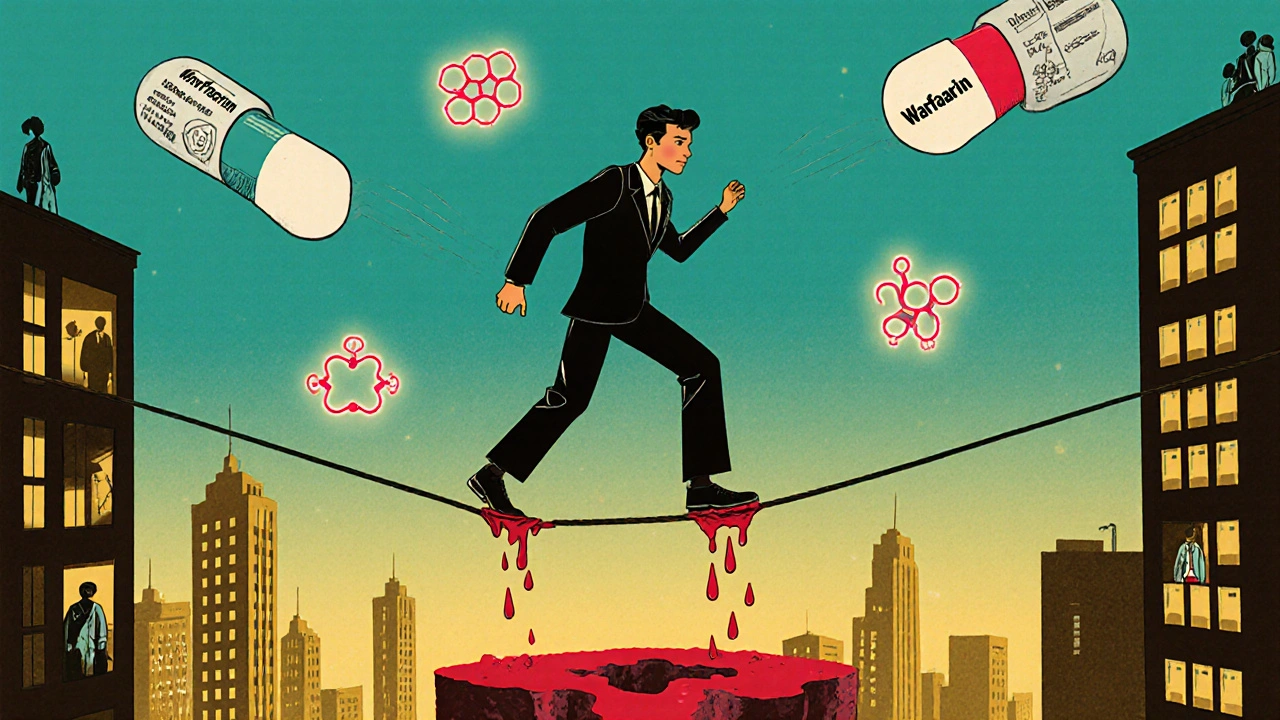
Combining SSRIs with anticoagulants increases bleeding risk by 33%, especially in the first month. Learn why, where it happens, and how to stay safe.

©2026 rxmedicin.su. All rights reserved
11