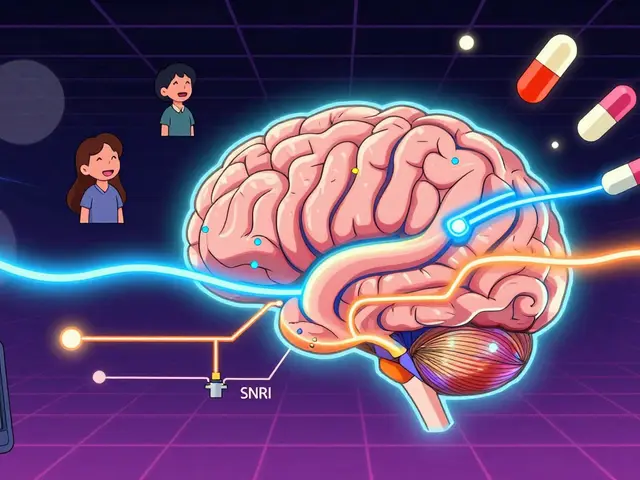
When a person's immune system is dampened-whether by Steroids powerful anti-inflammatory drugs that suppress immune responses, chemotherapy, or as a result of an organ transplant-the body's natural security system essentially goes offline. This doesn't just make you more likely to catch a common cold; it opens the door for "opportunistic" organisms. These are pathogens that the average healthy person can fight off without even noticing, but which can become deadly when the immune system is compromised.
The real danger isn't just the organisms themselves, but how they behave. In a healthy person, an infection usually triggers a loud alarm: high fever, swelling, and pus. But in an immunosuppressed patient, those alarms often stay silent. You might have a severe lung infection but feel perfectly fine until the situation becomes critical. This "silent" presentation is why healthcare providers have to be incredibly vigilant, as the lack of a fever doesn't mean the patient is safe.
Who is at risk and why?
Not all immunosuppression is the same. Depending on which part of the immune system is suppressed, different "unusual" organisms will move in. For instance, people with humoral immunodeficiencies-where the body struggles to produce antibodies-are much more susceptible to Giardia intestinalis a flagellate protozoan parasite that inhabits the intestines. While most people might get a bout of diarrhea from this parasite, immunocompromised children often suffer from chronic infections, foul-smelling stools, and significant weight loss.
On the other hand, those with T-cell deficiencies-often seen in Hematopoietic Stem Cell Transplantation a procedure where damaged or missing bone marrow is replaced with healthy stem cells (HSCT) recipients-face a massive spike in viral risks. In fact, they are 15 to 20 times more likely to experience viral reactivation than those with B-cell issues. A prime example is Cytomegalovirus a common herpesvirus that can cause severe systemic infection in the immunocompromised (CMV), which can hit up to 40% of profoundly T-cell suppressed patients if they aren't on preventative medicine.
The "Unusual Suspects": Pathogens to watch
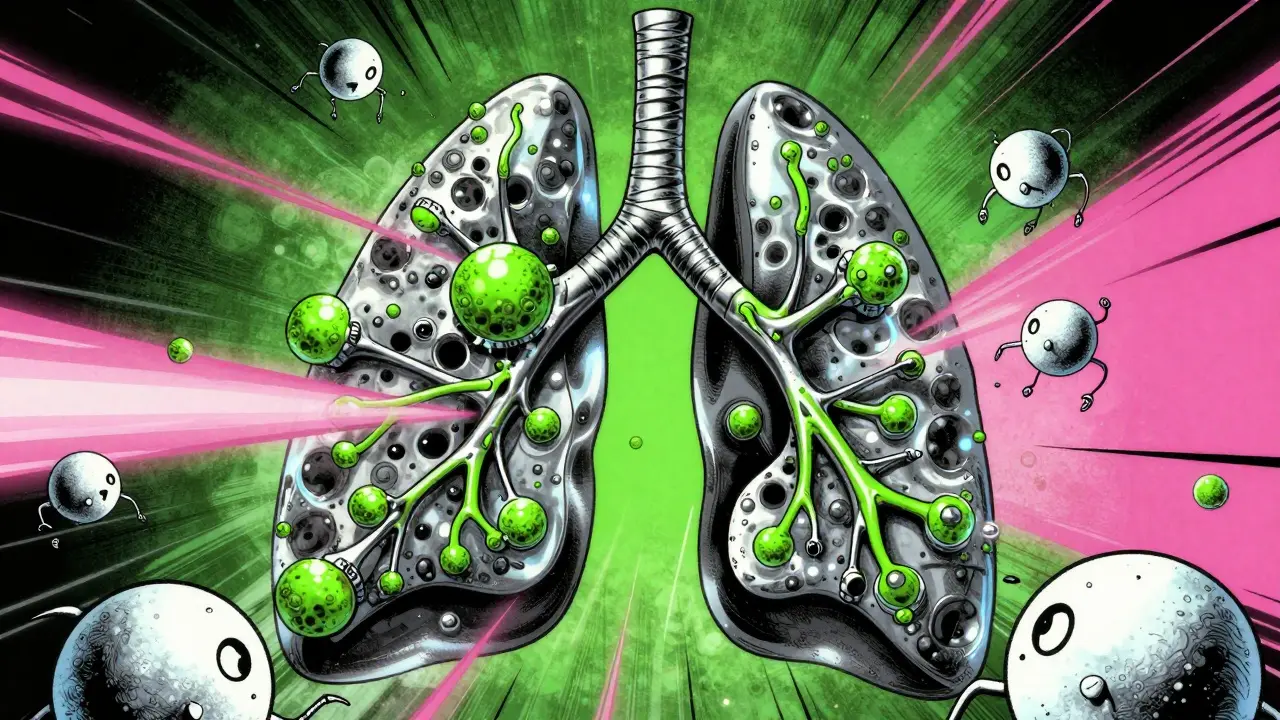
When we talk about unusual organisms, we aren't just talking about rare tropical diseases. We're talking about fungi and bacteria that live all around us but are normally kept in check. One of the most notorious is Pneumocystis jirovecii a yeast-like fungus that causes severe pneumonia in people with impaired immunity. In studies of immunodeficient children, this was the most frequently isolated pathogen in the lungs, appearing in about 22% of positive samples.
Then there are the fungal infections like Aspergillus a common mold found in soil and decaying organic matter. In patients with neutropenia (critically low white blood cell counts), an Aspergillus infection can be devastating. While a healthy person might just breathe in some spores and cough them out, these patients face mortality rates exceeding 50%, even with the best antifungal drugs available.
Skin infections also take a weird turn. In a healthy person, a cold sore is a nuisance. In someone on heavy immunosuppressants, a simple herpes simplex virus can lead to extensive tissue necrosis (death of the skin). There are even documented cases where Histoplasmosis an infection caused by inhaling spores of a fungus found in bird and bat droppings didn't show up as typical nodules, but instead looked like a widespread, red, erysipelas-like inflammation that proved fatal because the patient couldn't mount a basic inflammatory response.
| Immune Deficit Type | Key Pathogen Risks | Common Manifestations |
|---|---|---|
| Humoral (Antibody) | Giardia intestinalis, encapsulated bacteria | Chronic diarrhea, recurrent sinus/ear infections |
| T-Cell (Cell-Mediated) | CMV, P. jirovecii, Viral reactivation | Severe pneumonia, systemic viral failure |
| Phagocyte (White Blood Cells) | Staphylococcus aureus, Pseudomonas, Klebsiella | Skin abscesses, bone infections, hepatic microabscesses |
| Combined (B & T Cells) | Mycobacterium avium, P. jirovecii | Rapidly progressing systemic infections |
Diagnostic hurdles: Why it's hard to catch
The biggest nightmare for a doctor treating an immunosuppressed patient is a "culture-negative" infection. Because the patient's body isn't reacting normally, the typical signs of infection are missing. You won't always see a spike in white blood cells or a high fever. In one study of children awaiting stem cell transplants, 23% of those who actually had a pathogen in their lungs showed absolutely no respiratory symptoms. They looked and felt fine while a dangerous organism was colonizing their lungs.
This is why standard tests often fail. For example, when looking for Pneumocystis jirovecii, a simple induced sputum sample (coughing up phlegm) only catches the infection about 65% of the time. Doctors instead rely on Bronchoalveolar Lavage a procedure where fluid is instilled into a lung segment and then suctioned back out for analysis (BAL), which jumps the detection rate to 92%.
Treatment challenges and failures
Getting the right diagnosis is only half the battle. Treating these infections is often a game of trial and error because the patient's body isn't helping the medication do its job. Take Giardia as an example. For a healthy adult, a course of metronidazole usually clears the parasite with a failure rate of only 5-10%. But in the immunosuppressed, that failure rate can jump to 30-40%. These patients often need aggressive combination therapies involving tinidazole or nitazoxanide to get the infection under control.
There is also the issue of "viral shedding." During the SARS-CoV-2 pandemic, it became clear that while most people clear the virus in two weeks, some immunosuppressed patients continued shedding the virus for over 120 days. This creates a prolonged window of vulnerability and makes the recovery process much longer and more taxing on the body.
The future of managing high-risk infections
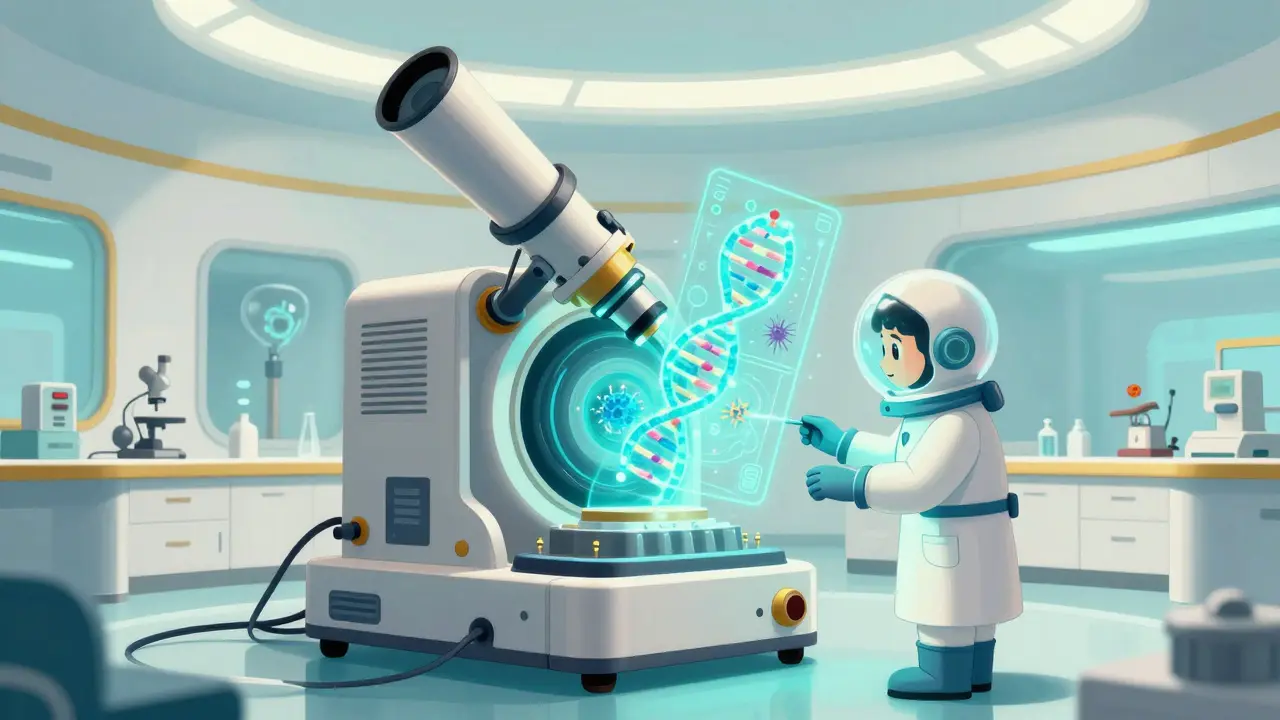
Medicine is moving toward a more precise approach. Instead of just blasting the body with broad-spectrum antibiotics-which can kill the few good bacteria left in the gut-doctors are looking at Metagenomic Next-Generation Sequencing an advanced genetic testing method that identifies all DNA/RNA in a sample to find unknown pathogens (mNGS). This allows them to identify exactly what is causing a fever even when the organism won't grow in a lab dish.
There is also exciting work in pathogen-specific T-cell therapies. These are designed to temporarily "boost" the immune system's ability to fight a specific virus (like CMV or adenovirus) without triggering a full-blown immune attack on the patient's own transplanted organs (known as Graft-versus-Host Disease). While mortality for some high-risk transplants remains around 25-30%, these targeted tools are slowly chipping away at those numbers.
Why don't immunosuppressed patients always get a fever when they're sick?
Fever is caused by the immune system releasing chemicals called cytokines in response to an invader. Because immunosuppressant drugs (like steroids) block this response, the body doesn't produce those chemicals. This means you can have a life-threatening infection without the "warning signal" of a fever.
What are opportunistic infections?
These are infections caused by organisms that are commonly found in the environment or even inside our own bodies. In a healthy person, the immune system keeps them suppressed. But when immunity drops, these organisms take the "opportunity" to attack and cause disease.
How dangerous is the Aspergillus fungus for these patients?
It is extremely dangerous, especially for those with very low neutrophil counts. Because it can invade blood vessels and spread to other organs, the mortality rate can exceed 50% if not caught early, which is significantly higher than in people with healthy immune systems.
Is it possible to treat a viral infection if the immune system is gone?
Yes, but it is harder. Antiviral drugs stop the virus from replicating, but the immune system is still needed to actually clear the virus from the body. This is why some patients experience prolonged viral shedding or require experimental T-cell therapies to help their bodies finish the job.
What should I do if I'm on immunosuppressants and feel slightly unwell?
Contact your healthcare provider immediately. Because you may not develop a typical fever or severe symptoms until an infection is very advanced, any "small" sign-like a mild cough, a weird skin patch, or slight shortness of breath-needs to be investigated quickly.
Next steps for monitoring and safety
If you or a loved one are managing a condition that requires long-term immune suppression, the goal is "preemptive vigilance." This means not waiting for symptoms to appear before testing. Depending on the medication, your doctor might suggest regular blood work to check for CMV levels or routine chest imaging.
For those undergoing HSCT or similar procedures, the first few months are the highest risk. Avoid high-risk environments-like construction sites (where Aspergillus spores are common) or crowded areas during flu season-and ensure all vaccinations are handled by a specialist to avoid using "live" vaccines that could cause an infection in a suppressed state.