The Big Shift: Bringing Foreign Facilities in Line
For a long time, there was a glaring double standard in how the agency handled oversight. If you were based in the U.S., you expected a surprise visit. If you were overseas, you usually got a heads-up. This gave foreign manufacturers a massive advantage-time to "duct-tape" their systems before the inspectors arrived. The data showed this wasn't working; the FDA found serious deficiencies more than twice as often during domestic inspections compared to announced foreign ones. On May 6, 2025, the FDA officially ended this courtesy. Following an executive order from President Donald Trump on May 5, the agency expanded its surprise-visit policy to foreign manufacturing facilities. This isn't just a minor tweak; it's a fundamental shift in global oversight. With roughly 80% of active pharmaceutical ingredients consumed in the U.S. coming from overseas, the FDA realized that allowing advance notice was essentially undermining the integrity of the whole process. Now, whether you are in New Jersey or New Delhi, the expectation is the same: be ready at all times.How a Surprise Inspection Actually Works
When the investigators arrive, they don't waste time. They identify themselves, show their credentials, and immediately issue Form FDA 482 is the official Notice of Inspection provided to the most responsible person at the facility to formally announce the start of the visit . From that moment, the clock is ticking. They aren't just looking at the machines. They are hunting for patterns. They'll dive into your Standard Operating Procedures (SOPs) and manufacturing records to see if the actual work matches the written rules. If an investigator asks to enter a sterile manufacturing area and finds a door propped open or a technician skipping a hand-washing step, that's the "real-time evidence" the agency is looking for.| Feature | Domestic Facilities | Foreign Facilities |
|---|---|---|
| Notice Period | Generally Unannounced | Now Generally Unannounced |
| Primary Goal | Routine Compliance | Regulatory Parity & Risk Mitigation |
| Key Risk | Operational Lapses | Record Falsification / Concealment |
| Coordination | Internal FDA Protocols | Complex Coordination with Local Authorities |

Why the FDA is Hunting for "Bad Actors"
Let's be honest: most companies try to do the right thing. But there are "bad actors" who deliberately falsify records or hide violations to keep their production lines moving. Announced inspections are a playground for these firms because they can manufacture "perfect" logs and hide non-compliant equipment just for a few days. By removing the warning, the FDA can spot the gap between what a company claims to do and what it actually does. If a firm tries to delay or deny entry, the FDA has the authority to take aggressive regulatory action. The goal is to create a system where the only way to pass an inspection is to be in a state of continuous compliance. This means your manufacturing quality shouldn't depend on a calendar date; it should be the baseline of every shift, every day.The Danger of "Duct-Taping" Your Systems
Many firms rely on legacy systems-old spreadsheets or manual logs that are prone to error. When an announced inspection is coming, these companies spend weeks cleaning up the data. This "duct-tape" approach is a recipe for disaster during a surprise visit. If an investigator asks for a specific batch record and it takes three hours to find it-or worse, the record is missing-it sends a signal that the facility is not in control of its processes. This is why there's a push toward modern Quality Management Systems (QMS) software. A digital QMS provides guardrails that prevent errors from happening in the first place, meaning there's nothing to "fix" right before the FDA walks in. When your data is live and accurate, a surprise visit is just another Tuesday.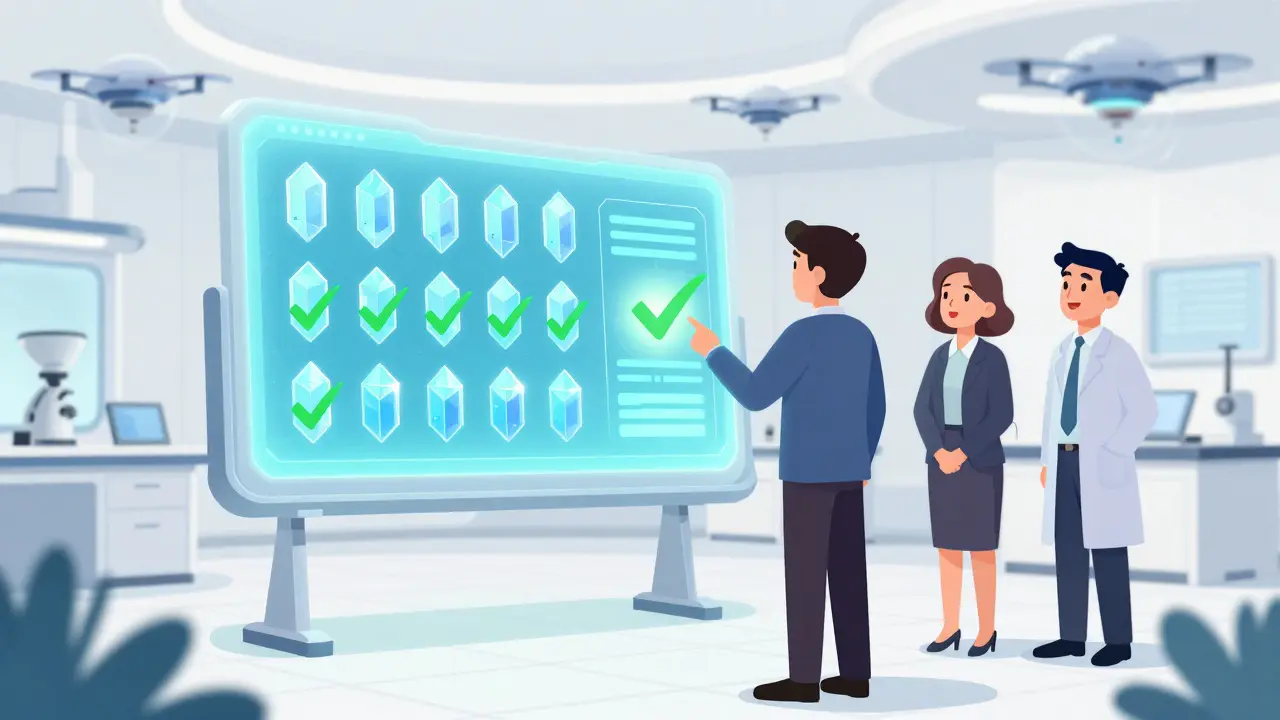
How to Stay Ready: A Practical Checklist
Since you can't predict when the FDA will show up, the only strategy is permanent readiness. You need a response plan that doesn't rely on the CEO being in the building.- Designate a Response Team: Know exactly who handles the inspectors, who retrieves the documents, and who manages the facility tour.
- Instant Document Access: Ensure that all SOPs and training records are digitized and searchable. If you spend an hour hunting for a folder, the inspector starts wondering why.
- Run Mock Inspections: Hire external consultants to perform "surprise" audits. This trains your staff to stay calm and answer questions accurately without panic.
- Audit Your Sterile Zones: Regularly check that high-risk areas are maintaining compliance even when management isn't looking.
- Verify Language Support: For foreign sites, have a plan for qualified translators who understand both the language and the technical regulatory terms.
The Aftermath: Understanding the Results
Once the inspectors leave, the process isn't over. The results are typically captured in Form 483 is a report issued at the end of an inspection listing observed violations of the Food, Drug, and Cosmetic Act . While getting a 483 isn't an automatic failure, it's a serious warning. Interestingly, even an inspection labeled "No Action Indicated" (NAI) is valuable. It provides the FDA with regulatory intelligence, helping them understand which types of facilities are succeeding and where the industry-wide risks are. For the manufacturer, an NAI result is the gold standard-it proves that your quality systems are robust enough to handle any level of scrutiny at any time.Do all FDA inspections have to be unannounced?
Generally, yes. However, there are a few exceptions. Some specific programs pre-announce visits to ensure that specific high-level personnel or specialized records are available. Additionally, for certain medical device manufacturers (Class II or III), some visits occur every two years on a scheduled basis, though quality system inspections and "for cause" investigations remain unannounced.
What happens if a foreign facility refuses an unannounced inspection?
The FDA is authorized to take regulatory action against any firm that seeks to delay, deny, or limit an inspection. This can include importing alerts, which essentially block the company's products from entering the U.S. market, or other severe sanctions that can cripple a manufacturer's ability to do business in the States.
How long does an unannounced inspection typically last?
There is no fixed timeline. The duration depends on the size of the firm, the complexity of the operations, and how easy it is for the inspectors to review the records. If the FDA finds serious issues or "red flags," they will likely extend the visit to dig deeper into the root causes of those failures.
Why did the FDA change the policy for foreign facilities in 2025?
The agency found that advance notice allowed foreign firms to hide deficiencies, leading to a "double standard" where domestic firms were held to a stricter real-time standard. By moving to unannounced visits, the FDA ensures regulatory parity and gets a more honest look at the manufacturing conditions of products imported into the U.S.
What is the difference between a Form 482 and a Form 483?
Form 482 is the "Notice of Inspection" given at the very beginning of the visit to officially start the process. Form 483 is the "Inspectional Observations" report issued at the end of the visit, detailing the specific problems or non-compliance issues the investigators found during their time on site.