
You open the door to your medicine cabinet and squint at the small print on the back of a bottle. Is that '2023' or '2026'? Does it still work if the date was last month? This is a common worry for anyone managing medications at home, yet it's often overlooked until it becomes an emergency situation. Tracking medication expiration isn't just about saving a few dollars on wastefulness; it is a critical safety protocol that protects your health.
In large healthcare facilities, this problem is massive. A study documented in a 2022 PMC report highlighted that healthcare facilities lose approximately $5 billion annually due to expired medications alone. While your home situation won't cost billions, the logic remains the same: expired drugs can degrade into inactive compounds or, worse, toxic substances. Understanding how to track these dates effectively ensures that when you reach for a tablet, you know exactly what you are taking.
The Reality of Medication Shelf Life
Every Prescription Drug has a specific timeline for guaranteed potency. When manufacturers assign an expiration date, they certify the product maintains its full strength and safety profile up to that day. Beyond that point, chemical breakdown begins. While some stable tablets might remain safe slightly past this date, others-especially liquid antibiotics, insulin, and nitroglycerin-can become dangerously ineffective immediately after the deadline.
This instability creates risks that mirror those seen in professional settings. In hospitals, expired medications account for a significant percentage of potential patient safety incidents. One report from the Journal of Patient Safety noted that nearly 15% of medication errors were linked to outdated products. At home, the consequences are less statistically tracked but personally severe. Taking an expired epinephrine auto-injector could mean the difference between surviving an allergic reaction or facing cardiac arrest.
To manage this without spending thousands on hospital-grade inventory software, you need a personal system. The industry standard for facilities involves RFID Technology and automated scanners that flag expiring stock weeks in advance. While you likely won't install a radio frequency identification system in your linen closet, adopting similar principles of visibility and logging makes tracking manageable.
Setting Up Your Personal Medication Log
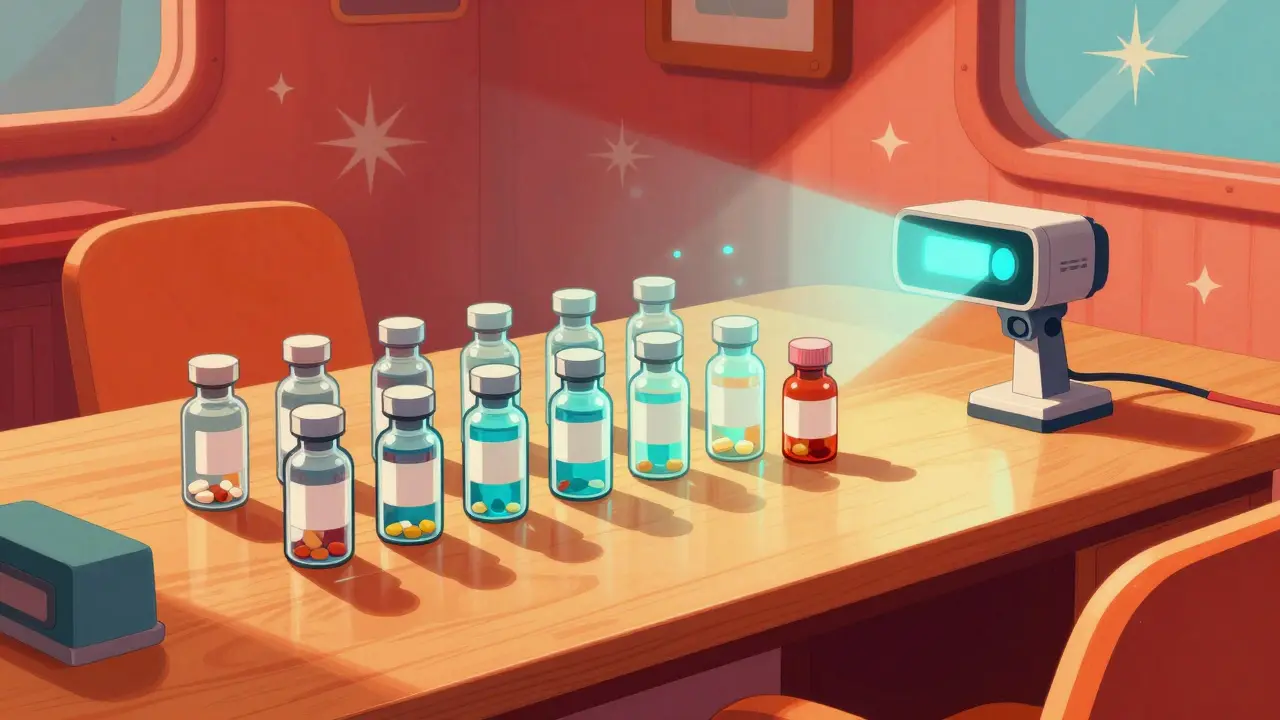
The foundation of any tracking system is documentation. Relying on memory is never enough when managing multiple medications. You should create a dedicated log, either digitally or physically, where every item entering your cabinet is recorded. Start by gathering all loose boxes and bottles. If a container lacks visible labeling, contact your pharmacist immediately to get a sticker. Never guess the name or date of an unlabeled pill.
- Digital Logs: Smartphone apps designed for medication management can scan barcodes much like pharmacy staff do in stores. These tools send notifications when an expiration date approaches. Look for apps that allow bulk entry for refillable prescriptions.
- Spreadsheets: For those who prefer control, a simple spreadsheet works well. Columns should include Drug Name, Quantity, Manufacturer Lot Number (if visible), Expiration Date, and Location.
- Physical Sticky Notes: Some people prefer writing directly on the bottle with a permanent marker if space allows, ensuring the date is impossible to miss during a quick glance.
Hospitals invest in sophisticated platforms like BD Pyxis or Omnicell systems because they link expiry tracking to dispensing logs. You can mimic this by updating your log only when you take a refill. Whenever you receive a new prescription from your Pharmacy, add it to your list before putting it away. Consistency here prevents the pile-up of forgotten pills that end up in the junk drawer.
Storage Conditions That Impact Dates
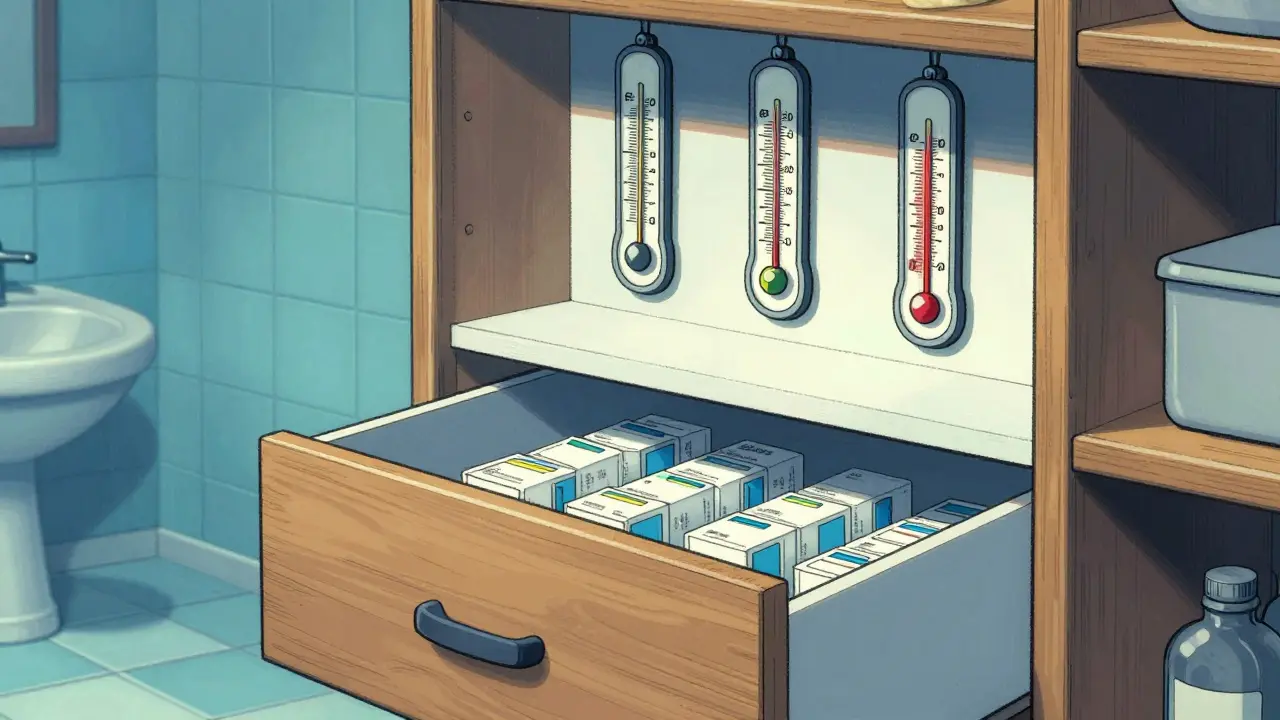
Tracking the date is useless if storage conditions ruin the medication long before that date arrives. Environmental factors are the silent enemy of shelf life. The FDA guidance emphasizes proper handling to maintain stability. Heat and moisture accelerate degradation far faster than normal aging does. For this reason, the traditional bathroom cabinet is actually one of the worst places for medication storage.
| Location | Temperature Range | Humidity Risk | Suitability |
|---|---|---|---|
| Bathroom Cabinet | Fluctuates widely | High (Shower Steam) | Avoid |
| Kitchen Counter | Variates | Medium (Humidity/Food Prep) | Cautious |
| Bedroom Drawer | Stable Room Temp | Low | Preferred |
| Refrigerator | 36°F-46°F (2°C-8°C) | Controlled | Specific Meds Only |
A bedroom drawer or a closet away from windows offers a cool, dry environment that mimics the ideal conditions used in testing. Light exposure also degrades active ingredients, which is why opaque packaging is common. If your meds come in clear bottles, move them to a darker spot. If you live in Wellington, where temperatures can drop significantly, avoid storing sensitive items near external doors where cold drafts occur, as freezing can damage certain biologics and creams.
Hospitals utilize climate-controlled smart cabinets that monitor temperature fluctuations automatically. At home, a simple thermometer taped inside your storage cabinet helps verify that your area stays within the recommended range. Most room-temperature medications require a range between 20°C to 25°C (68°F-77°F). If your thermostat fluctuates outside this range frequently, consider investing in a lockbox for valuable or critical medicines.
The Quarterly Review Routine
Even the best tracking fails without maintenance. A regular schedule prevents the "spring cleaning" panic where you find five years of leftover painkillers at once. Establish a recurring event on your calendar every three months to walk through your supplies. This aligns with best practices observed in clinical settings where nurses perform inventory checks weekly.
During your review, inspect every item for signs of spoilage beyond the date label. Discoloration, separation in liquids, or crumbling textures indicate immediate disposal is necessary regardless of the printed date. Liquid antibiotics, for instance, often degrade in flavor and efficacy shortly after reconstitution. Insulin that turns cloudy or changes color should be discarded immediately, even if the vial is technically within the window.
If you find expired items, do not put them back in circulation. Remove them from your reachable supply immediately. The goal is to minimize clutter so that legitimate, usable medication stands out clearly. Clutter leads to confusion, and confusion is a primary cause of accidental ingestion errors. By keeping the cabinet tidy, you reduce cognitive load and increase safety margins.
Safe Disposal Protocols
Finding expired medicine raises the question of disposal. Many households mistakenly believe flushing medications or tossing them in general trash is acceptable practice. However, environmental regulations and public safety guidelines discourage these actions. Flushing puts toxins into the water table, and uncontrolled dumping poses theft risks or accidental poisoning hazards for children and pets.
Your local community likely offers drug take-back programs. The FDA encourages participating in authorized collection sites. Pharmacies often participate in these disposal networks where they destroy the drugs using incineration technology. When a take-back box is unavailable, most solid medications can be mixed with unpalatable substances like coffee grounds or cat litter in a sealed plastic bag before going into household trash. Liquids should generally go to take-back stations only unless specified otherwise by local authorities.
Understanding the right way to dispose of old meds completes the cycle of responsible tracking. You protect yourself by knowing what is good, and you protect the community by ensuring what is bad does not enter the ecosystem.
Special Considerations for Travel
Travel introduces another layer of complexity. When you pack your medicine cabinet for a trip, expiration dates can shift contextually. Jet lag and travel delays might cause you to miss doses, or extreme temperatures in transit can harm pills. Always carry travel-sized containers labeled with your name and doctor's initials to comply with airport security regulations.
Before leaving, cross-check your travel kit against your master list. Verify that nothing expired during the packing phase. If you are taking medication into different time zones, clarify dosage timing with your provider beforehand. Maintaining your tracking habit while traveling, perhaps by using a portable pill case divided by days, ensures continuity of care and keeps your regimen intact.
Can I safely take medication that expired one month ago?
Generally, you should avoid taking expired medication. Solid oral forms like tablets may retain potency slightly longer than liquids or injectables, but there is no guarantee. Because degraded chemicals can be harmful, it is safer to discard expired items and consult a pharmacist for replacements.
Do vitamins and supplements have expiration dates?
Yes, though they are not classified as drugs. Supplements degrade over time, losing effectiveness. Oxidation causes them to break down, so checking dates on multivitamins is essential for ensuring you get the nutrients advertised.
What is the safest place to store insulin at home?
Unopened insulin vials should be refrigerated. Once in use, they can typically sit at room temperature for about 28 days depending on the brand. Avoid placing them in direct sunlight or near heat sources like stoves.
Should I throw away my old antibiotics?
Absolutely. Antibiotics are highly regulated. Storing leftovers can lead to antibiotic resistance issues later. Never save antibiotics for a future infection, and always return unused portions to a pharmacy for safe destruction.
Is it okay to keep first aid ointments past their expiration?
Topical ointments can sometimes be used past the date if they look and smell normal, but efficacy isn't guaranteed. For serious injuries, you want the maximum healing properties, so replacing expired first aid kits is the safer recommendation.



Rachelle Z
April 1, 2026 AT 21:47My cabinet is basically a graveyard back there 🪙😂. I found something from like two years ago hidden behind the vitamins 💊. Honestly who looks at the print like that?? 🫣
Mark Zhang
April 2, 2026 AT 06:54I completely understand that feeling of dread when opening the door though. It happens to the best of us when we aren't watching closely. You definitely don't have to deal with it alone if you set up a system. Small steps really help keep things organized over time.
Branden Prunica
April 2, 2026 AT 13:34THIS IS SCREAMING at me right now!!! I actually threw away a whole stash yesterday because I panicked. My heart was pounding thinking I poisoned myself. Safety comes first guys!!!
Ace Kalagui
April 4, 2026 AT 12:42We really need to consider the broader implications of what happens to these chemicals. Every time we ignore a label we are taking a gamble on our health. Manufacturers put those dates there for a very specific scientific reason. It isn't just about saving money or being tidy in your drawers. Think about how much heat gets generated during summer months. Bathrooms get steamy every single morning without fail. Humidity ruins things faster than we realize sometimes. People often forget that light exposure matters immensely too. Even clear bottles let in enough rays to change the composition. We should treat our own home stockpile like a small laboratory. Hospitals spend billions avoiding this yet we hesitate unnecessarily. Ignorance isn't bliss when your family relies on your knowledge. Consistency is the real key to maintaining a safe environment. A quarterly check sounds tedious but it saves panic later. You end up finding things buried under makeup and junk mail anyway. Taking ten minutes every few months prevents a nightmare situation eventually. We have the power to control our own safety protocols today.
Hope Azzaratta-Rubyhawk
April 5, 2026 AT 03:05It is imperative that everyone follows the guidelines outlined here strictly. Proper storage is not optional if you wish to remain healthy. Neglecting this protocol can lead to dire consequences later. Please prioritize updating your inventory immediately. Your well-being depends on these simple administrative tasks.
simran kaur
April 5, 2026 AT 15:29Don't trust the dates so easily honestly speaking. They probably extend them knowing people won't actually check. Big pharma wants you buying fresh stock always. It feels like a designed cycle of wastefulness for profit margins. Just watch the water table when people flush it all. They tell us rules to keep liability down while ignoring the waste crisis. We should hoard effective meds instead of tossing them blindly.
Jenna Carpenter
April 6, 2026 AT 12:36Soooo many peopl dont know basics like this sad. Why r u so careless woth ur health?? Its basic responsibility tbh. I see people leaving pills in humidy everywhere. Get your act together people before someone dies. Not trying to sound mean but facts r facts. Stop being lazy about hygeine management.
Brian Shiroma
April 7, 2026 AT 21:05Nothing kills the vibe like realizing your insulin is useless. Funny how we store everything next to the shower steam. I guess nobody ever thinks until it matters most. At least the spreadsheet idea keeps things somewhat managed.
angel sharma
April 9, 2026 AT 04:32You have the capacity to master this routine entirely. Let us embrace the challenge of organizing our supplies with gusto. Discipline leads to better outcomes in every aspect of life. Imagine the pride of walking into a perfect cabinet soon. Push yourself to log every single item today.
Will Baker
April 9, 2026 AT 16:00This advice seems more relevant to your chaotic life than anyone else's honestly.
Dee McDonald
April 11, 2026 AT 05:48GO CHECK YOUR CABINET RIGHT THIS SECOND!! Don't wait another minute to organize. Safety is priority number one for everyone here! Let's get those lists started today. You got this power to change habits.